
Welcome to The Offset! Delivered once a month via email and through the Tech in Asia website, this free newsletter breaks down the biggest stories and trends in greentech. If you’re not a subscriber, get access by registering here.
Hi there,
2021 was a watershed year for climate tech investing – more investors were actively involved in the sector, making more deals and pouring in greater amounts of money. It seemed any company that claimed to be tackling the climate crisis instantly became a darling in investors’ eyes.
However, buzzwords like “ESG” are being thrown around a lot because there isn’t a clear definition of the term.
Did you pay attention to any climate-focused funds last year? What do you think the climate investment landscape will be like this year? I would love to hear your thoughts!
— Nicole
THE BIG STORY
Meet the players fighting plastic scourge in SEA

Image credit: Shutterstock
Plastic waste startups are on the rise, but more needs to be done to scale their impact.
DEEP READS
1️⃣ How 2021 became the year of ESG investing
Environmental, social, and governance (ESG) became the new buzzword in investing in 2021. Over the past year, ESG has grown to make up 10% of worldwide fund assets. According to the latest data, money poured into ESG-focused funds hit a record high with US$649 billion (as of November 30), up from US$542 billion in the previous year.
Ostensibly, more money pouring into ESG is a good sign that businesses and financial institutions are embracing sustainable finance. The reality, however, paints a less rosy picture.
For one, the corporate ESG data that are currently available are often incomplete and inconsistent across companies, sectors, and countries. Moreover, asset management firms that compile some of the most popular funds don’t always agree on what ESG means, resulting in companies that very loosely fit the bill being included in the mix.
A new report found that many of these funds have a carbon footprint not much lower than the S&P 500. At present, the climate performance of a company is often considered of less importance by portfolio managers than, say, its market cap.
This year, ESG investing will likely continue to balloon, but it will also face more scrutiny. Regulators worldwide are putting more pressure on companies to prioritize ESG disclosures. The US Securities and Exchange Commission, for example, has been working on providing more guidance on ESG and carbon emission disclosures. The European Commission has also been firming up its rules on the classifications of climate-friendly activities.
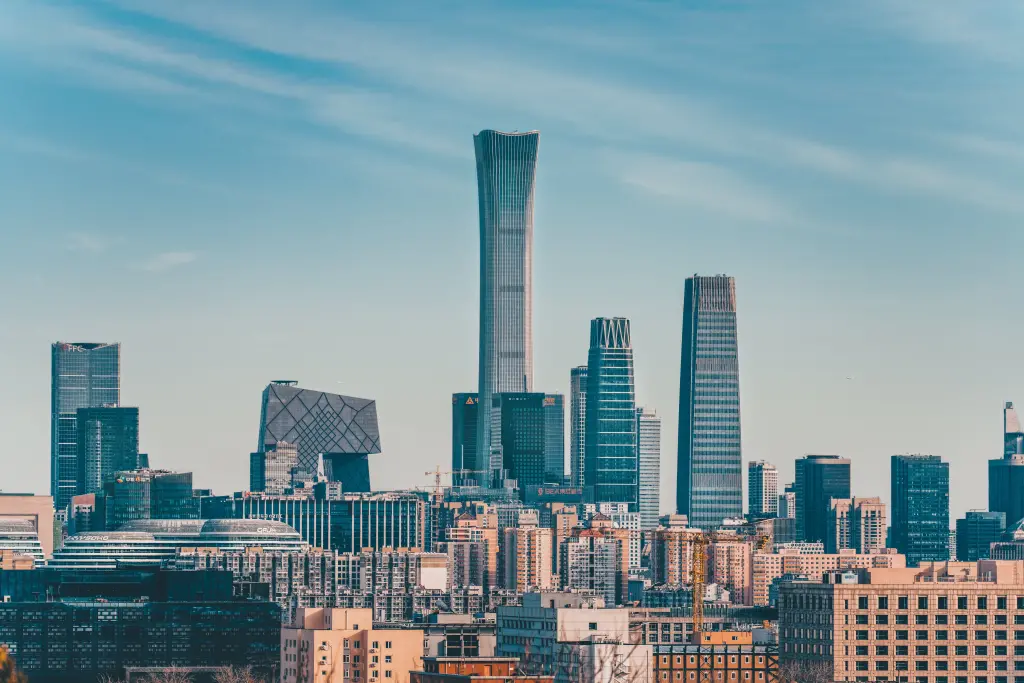
Beijing / Photo credit: Unsplash
2️⃣ Top equity funds in Asia are all buying China’s green stocks
Asia’s top funds are investing in Chinese green stocks, and, crucially, making great returns. According to Bloomberg, the region’s five best-performing US$1 billion-plus equity funds recorded over 40% returns this year by investing in green sectors. The China AMC Energy Innovation Equity Fund saw total returns of 55%, the highest among the five funds.
Government policy has been fuelling the growth in China’s green sectors, including renewable energy products and EVs. Last year, Beijing pledged to become carbon neutral by 2060. In its Five Year Plan, released in March, China set an 18% reduction target for carbon dioxide intensity and a 13.5% reduction target for energy intensity from 2021 to 2025.
The support from policy-makers boosted the stocks of companies like those of battery maker Contemporary Amperex Technology Co. (CATL), whose shares soared more than 80% to record highs this year.
In the long term, opportunities abound for China’s green sector. However, in the short term, it is subjected to a lot of volatility coming from events like the US’s sanction of Chinese solar panels over the treatment of Uyghur Muslims. China’s EV and battery makers are also facing increasingly scarce supply of raw materials such as cobalt, graphite, and nickel.
TRENDING NEWS
You can also check out Tech in Asia’s coverage of Asia’s greentech scene here.
1️⃣ Former Lyft CSO and Freestyle Capital co-founder team up to back climate tech startups
Lyft’s former chief strategy officer and head of business, Raj Kapoor, and Freestyle Capital co-founder Josh Felser launched an early-stage venture capital firm Climactic. The new company wants to invest exclusively in startups working toward net-zero goals. It has so far backed 11 companies, investing US$50,000 to US$100,000 per deal. The company did not disclose any future fundraising plans.
Why it matters:
Climactic is breaking into the increasingly crowded climate tech investing space. Lowercarbon Capital by billionaire investor Chris Sacca recently raised US$800 million fund in August, and UK-based 2150 VC raised a US$312 million fund in October. Closer to home, Singapore’s Wavemaker Partners launched a climate tech venture builder in the same month.
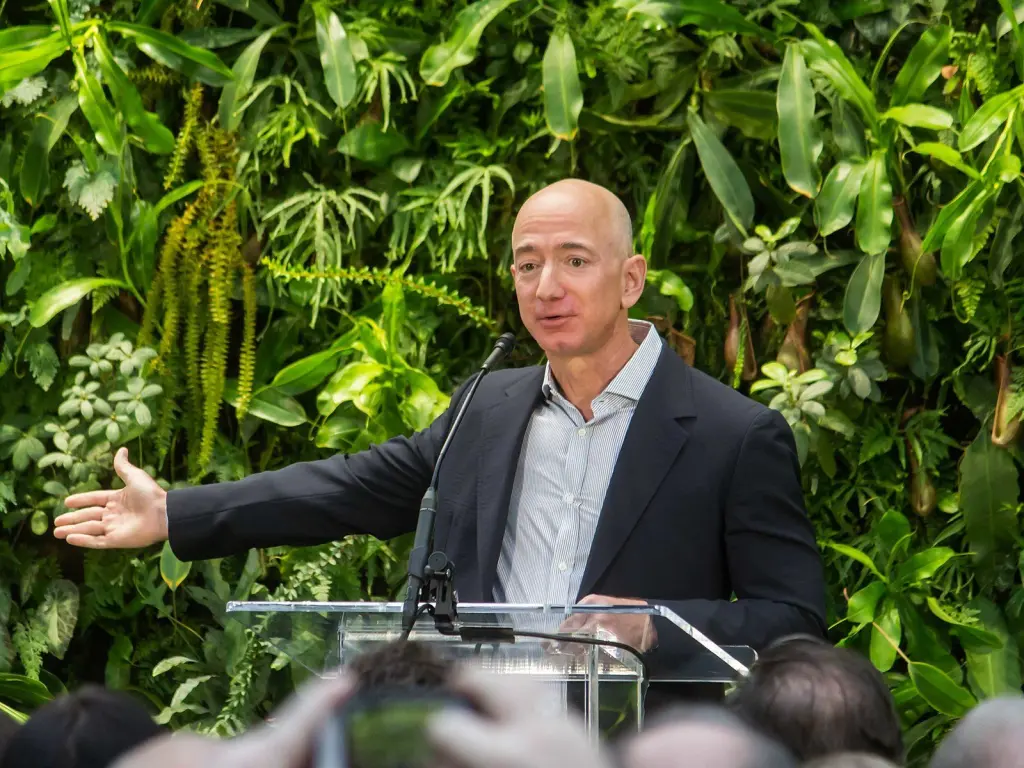
Jeff Bezos at Amazon Spheres Grand Opening in Seattle / Photo credit: Wikimedia Commons
2️⃣ Bezos Earth Fund announces $443m in grants to advance environmental justice, conserve and restore nature, and improve monitoring and accountability
Amazon founder Jeff Bezos’ Earth Fund awarded US$443 million in grants dedicated to climate justice, nature conservation and restoration, and other climate efforts. The grants were part of the Earth Fund’s commitment to give away US$10 billion this decade to climate change-related initiatives.
Why it matters:
The launch of Bezos’ philanthropy scale-up comes amid recent controversy over Amazon’s worker rights violation and its outsized role in the global waste problem. Last year, the ecommerce firm’s carbon footprint grew by nearly 20%.
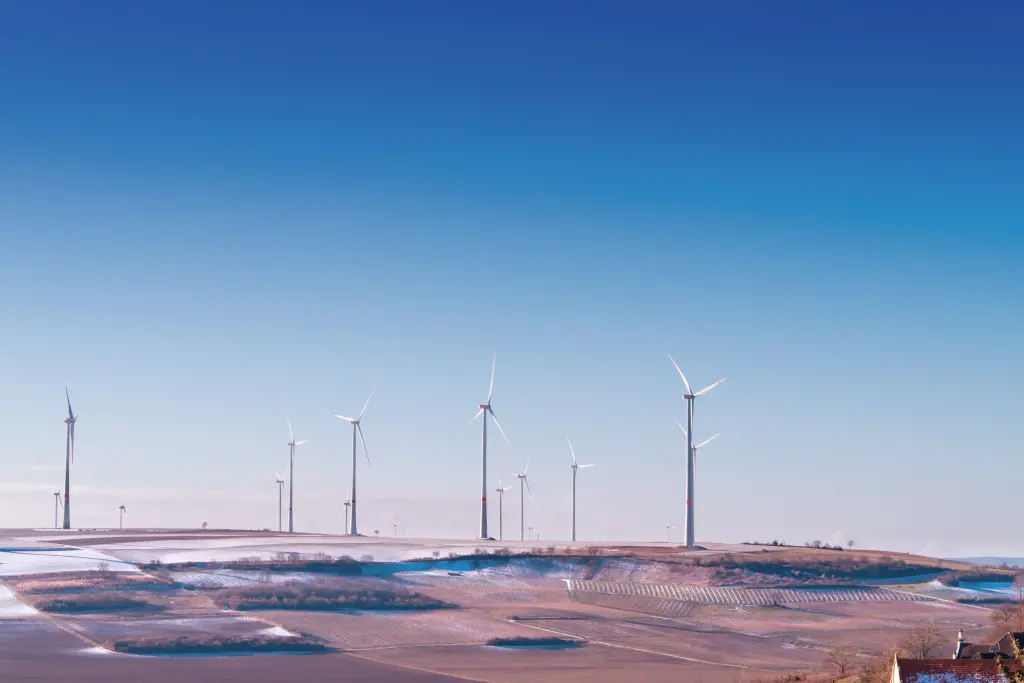
Windfarm at Mölsheim, Germany / Photo credit: Unsplash
3️⃣ Germany approves 900m euros for green hydrogen project
Germany’s economy ministry announced it would invest US$1 billion into a funding scheme to support green hydrogen.
The new scheme, dubbed H2Global, proposes the use of a “double auction” model. It involves buying hydrogen or hydrogen derivatives in non-EU countries at the lowest possible price with 10-year contracts. These contracts are processed through an intermediary established by the private sector. The products are then sold using short-term auctions at the highest possible price to companies within the EU.
Since green hydrogen is still relatively expensive, the intermediary service will likely see losses in the first couple of years. However, the federal grant will offset these losses for a maximum of 10 years. The losses are expected to decrease as the demand for hydrogen rises. The first deliveries of these green hydrogen products to Germany and Europe are slated for 2024.
Why it matters:
Most hydrogen used today comes from natural gas (a fossil fuel), and the process emits large amounts of carbon dioxide. Green hydrogen, on the other hand, is produced from water by electrolysis and emits almost no greenhouse gasses, but it is energy-intensive.
If green hydrogen is going to play a key role in decarbonizing Germany’s economy, then it means there needs to be a massive acceleration of renewable energy production.
STARTUP WATCH
1️⃣ Gates-backed fund invests in carbon-capture startup Sustaera
Carbon-capture startup Sustaera Inc. has raised US$10 million in a series A funding round led by Bill Gates’ Breakthrough Energy Ventures. The North Carolina-based startup uses a readily available alkali-based material to absorb carbon dioxide out of air. The process does not require heat generated from fossil fuels and can run entirely on renewable electricity. The company’s first client is payments system provider Stripe.
2️⃣ Nuclear fusion startup lands $1.8b as investors chase star power
Massachusetts-based nuclear fusion startup Commonwealth Fusion Systems has secured more than US$1.8 billion in what is said to be the largest private investment of its kind. The company’s backers include Bill Gates and philanthropist George Soros.
The global push to reduce carbon emissions has given rise to carbon-free energy like nuclear fusion power, which is generated by merging very light nuclei like hydrogen. The company’s competitor, Helion Energy, also secured large amounts of funding this year.
3️⃣ Singapore’s Keppel to acquire Shell-backed Cleantech Solar
Singapore-based Keppel Corporation is acquiring solar power company Cleantech Solar Energy, which focuses on rooftop photovoltaic projects. Keppel is investing US$150 million to acquire a 51% stake in the solar energy company. The remaining 49% of the equity interest is currently held by Shell Eastern Petroleum.
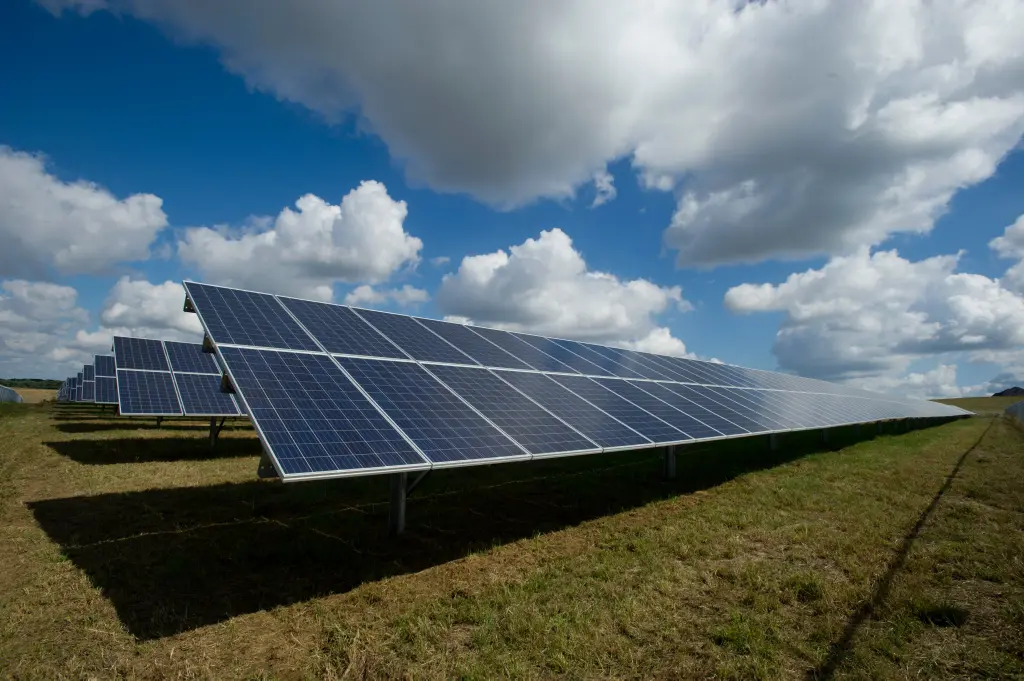
Solar panels / Photo credit: Unsplash
4️⃣ Carbon-capture firm nabs $30m in venture capital funds
Carbon America, a Colorado-based carbon-capture and storage firm, has raised US$30 million in a series A funding round from investors, including Canada Pension Plan Investment Board, ArcTern Ventures, and Energy Impact Partners.
Founded in 2019, Carbon America aims to become a one-stop shop that provides a wide range of services, including engineering and technology, financing, incentive navigation, and more.
5️⃣ EV ride-hail leasing company Hive raises $30m in funding round
EV leasing startup Hive Technologies has secured US$30 million to expand its fleet from the current 100 vehicles to 1,000 EVs.
Hive leases EVs to Uber and Lyft drivers on a per-mile cost basis, which it claims could potentially be a cheaper option than taking out a loan to purchase a new vehicle. The company currently only operates in California but is expanding to other states. Both Uber and Lyft are aiming to run only on EVs by 2030.
That’s it for this edition – we hope you liked it! Do subscribe to continue receiving The Offset.
Not your cup of tea? You can unsubscribe from this newsletter by going to your “edit profile” page and choosing that option in our preference center.
See you next month!
The Offset is made possible thanks to Taiwan Mobile.
It earned the best telco title in Global Views CSR Awards.
Taiwan Mobile is on a mission to transit to 100% green energy by 2040.
Stay updated on the go with our mobile app.
Get latest insights with smoother, more personalized experience through TIA mobile app.
Recommended reads
 Exclusive: Two heavy equipment startups backed by Indonesian super angel merge
 🇮🇳 Roundup: BharatPe sacks controller over charges of financial irregularity
 Sequoia to raise up to $600m for new crypto fund
 Small stakes, giant leaps?
 Taiwan-based VC firm Cherubic Ventures launches $110m fund
 It’s time for a rethink on carbon emission reduction
 Japanese bank to launch $300m fund for Indian startups
 AC Ventures leads $4m round of Indonesian crypto app
 Malaysian wealth management app secures 8-figure funding
 Sequoia backs e-signature firm’s $12m seed round





Editing by Terence lee, Jaclyn Tiu, and Shravanth Vijayakumar
(And yes, we’re serious about ethics and transparency. More information here.)





