 Jum Balea · · 6 min read
How VMoney can help solve congestion in the Philippine public transport system
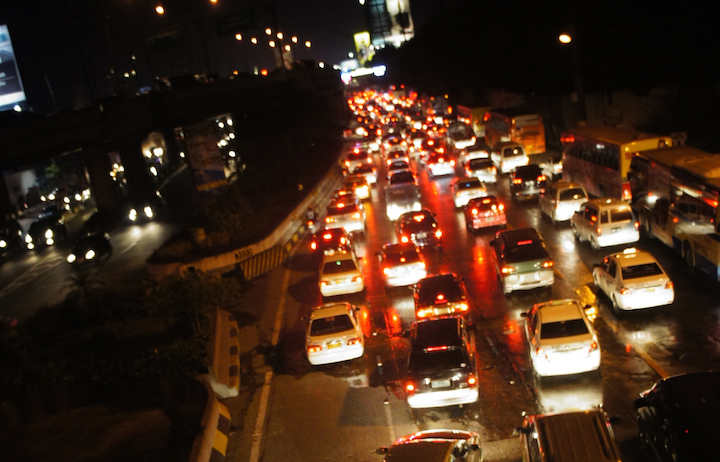
When the New York Times publishes an article singling out the Philippines’ dated infrastructure as a major impediment to the country’s continued growth, you know that it is serious business.
According to the report, there are 2.2 million vehicles coursing through Metro Manila every day, and this level of traffic costs the country US$20 billion in lost productivity per year, or more than PHP876 billion.
The numbers will force you to stop and think. How do you solve the problem of traffic congestion? You take out as many cars off the major thoroughfares as you can by trying different coding schemes, rolling out innovations that enable carpooling, and encouraging more people to take the trains. But that’s easier said than done.
Ask anyone taking Manila’s railway systems and the usual response you’d get is that it’s a nightmare, especially during rush hours. Lines at the ticket booths are long – sometimes extending several blocks from the train station. To make matters worse, insufficient state budget for maintenance has caused the railways to deteriorate significantly over the years, resulting in glitches from time to time, and even accidents.
But not everything’s lost for the Philippine public transport system. The government has bid out a number of infrastructure projects to big corporations that will hopefully improve the convenience of commuters.
Outside of these big corporations is a growing contingent of entrepreneurs who want to use their products and services to help reform public transport. Among them is Ralph Santos, the CEO of financial technology company VMoney.

Ralph Santos, founder and CEO of VMoney
Going cashless
Santos aims to improve access to public transportation by making payments frictionless for passengers. Think Singapore’s EZ Link card, Hong Kong’s Octopus card, and Malaysia’s Touch n’ Go.
VMoney developed the Philippine version of these cards: TAPnPASS. TAPnPASS is a stored-value card that makes use of near field communication (NFC) technology. You use the device to pay by simply tapping it on an NFC reader. You transfer funds to it using the same method: by tapping it on your mobile phone using the VMoney app.
The infrastructure for NFC-enabled ticketing at Manila’s main railways – the Metro Rail Transit (MRT) and Light Rail Transit (LRT) – is underway. The government awarded a contract for the MRT-LRT smart card system to the tandem of Ayala Corporation and Metro Pacific Investments Corporation, and this system will be operational by 2015. The groups will expand use of the smart card to include buses and taxis, and eventually establishments such as parking areas.
Santos believes VMoney’s product addresses a real pain. “Public transportation in the Philippines is definitely in a challenging state and extremely frustrating for those who rely and frequent these means. Congestion, long lines, reliability, security, and delays are the most common complaints. VMoney can help by providing a simple, secure and cost effective solution by giving travelers the convenience of loading their own payment card anytime, anywhere to avoid the line-ups.”





Stay updated on the go with our mobile app.
Get latest insights with smoother, more personalized experience through TIA mobile app.










📅 Upcoming Events
22 October 2026
Payoneer x CSPN Summit 2026