Nadine Freischlad · · 6 min read
Here’s the story behind the end of Valadoo’s five-year journey
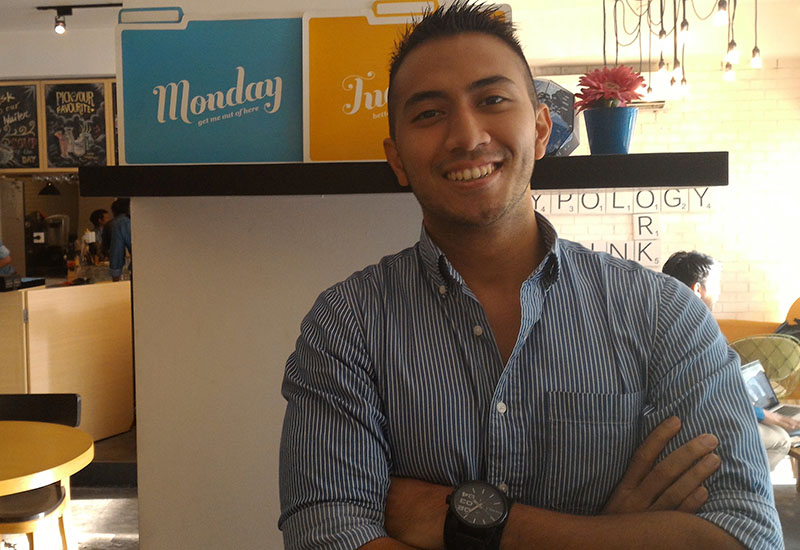
Jaka Wiradisuria, former CEO of Valadoo, has joined Ruma.
It’s been about one month since Valadoo, an online marketplace for travel tour packages in Indonesia, shut down. The startup, founded in 2010, was an early mover in this sector, yet it could not gain the traction it needed. There was also one major stumbling block along the way.
What precisely went wrong, and what can other entrepreneurs learn from the end of Valadoo’s five-year journey?
Growth without sustainable business model
Valadoo launched in December 2010, at a time when there was not much of a support system for startups in Indonesia. Jaka Wiradisuria and his three co-founders began their first tech venture as a deals site similar to Groupon – but soon found themselves first pivoting to focus only on travel deals, then tour packages for Indonesian destinations. One of the original four co-founders dropped out to pursue other interests.
By mid-2011 they had met Wego, a Singapore-based hotel and flights booking startup. A strategic partnership arose, which, in May 2012, resulted in Wego investing in Valadoo. To this day, the terms of the deal remain undisclosed, but Wiradisuria calls it “a significant seed round.”
From 2011 to 2013, growth was not spectacular, but good. “We gained significant traction, with monthly growth rates of more than a 100-fold ,” Wiradisuria tells Tech in Asia. “But still the traction was not sufficient. My co-founders and I, we looked at growth, growth, growth, not noticing that a sustainable business model was lacking. It was too late that we realized this.”
Merging pains
Valadoo had previously invested in comparatively high-cost marketing. It was, for example, running a video show together with local comedy portal Malesbanget. “We wanted to create strong content for the younger audience, but in reality we were struggling to get conversion from this marketing initiative to the platform,” Wiradisuria says. “It was hard to justify the effort.”
Even at its peak, Valadoo employed fewer than 20 people. Five made up the tech team, two people handled finance and administration, four were responsible for content, up to five people were in sales, and there were the three co-founders in management roles.
To become more sustainable, the team realized, they needed to lower the cost of customer acquisition. They thought social content might be the way forward. That was when the merger with Burufly was decided.
“Burufly was something like a Pinterest for local travel. We wanted a social aspect on top of our commerce platform, that’s why we did the merger,” explains Wiradisuria. “We were focusing on sales, and overlooked the technical and product side. We saw the chance of a merger with Burufly as an opportunity for us to rejuvenate, to create a Valadoo 2.0.”
But the integration proved to be harder than expected and it ended up being a huge misstep. “The paperwork was easy,” Wiradisuria recalls. “The technology and people were the challenge. Two different cultures, two different expectations. Valadoo was created on Drupal, while Burufly was on Django. Merging the platform had its limitations. We postponed the launch of the social features even further and continued to focus on the commerce.”
The team was working on completing the merger even until February and March this year, according to Wiradisuria. Their vision of a travel booking site with a strong social component was never fully realized. Wiradisuria says that attempting to fundraise while the company was still operating on the old model put it in an unfavorable position. “We didn’t have much runway after the merger with Burufly,“ he says.





Stay updated on the go with our mobile app.
Get latest insights with smoother, more personalized experience through TIA mobile app.