
Welcome to The Offset! Delivered once a month via email and through the Tech in Asia website, this free newsletter breaks down the biggest stories and trends in greentech. Get it in your email inbox by registering here.
Hello there,
Could a loss for China and the US be Southeast Asia’s gain?
That’s the question posed by this month’s Deep Read as tariffs – the buzzword for April – reshape the global greentech landscape. With the world’s largest economies facing fresh hurdles, Southeast Asia could find itself at the center of the next green energy boom.
This could be music to the ears of greentech startups in this part of the world, especially amid the funding winter.
But in a business climate shaped by the impossible-to-parse whims of a former reality TV star sitting in the White House, it’s hard to predict anything with certainty.
— Peter
THE BIG STORY
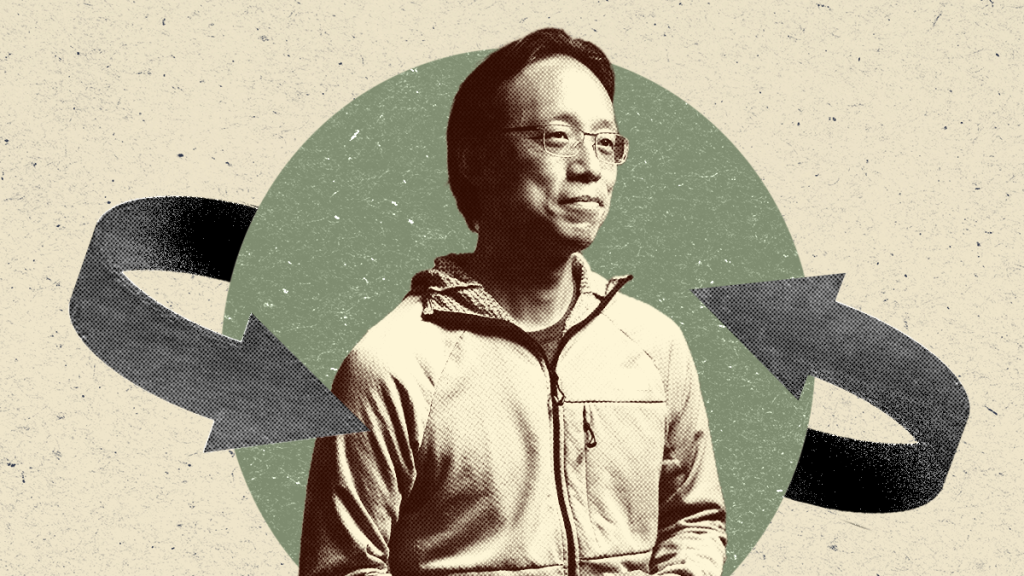
AI’s future could be brain cells in a dish, not silicon chips
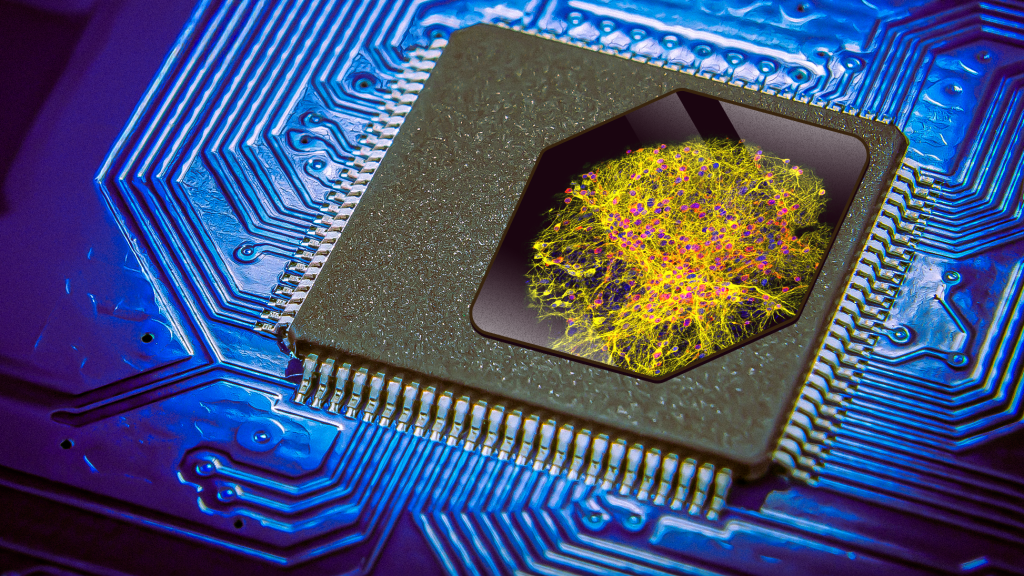
Photo credit: Timmy Loen
Today’s AI systems run on silicon chips. In the future, though, human brain cells could be powering ChatGPT and other AI programs.
Firms like Cortical Labs and FinalSpark are pioneering biocomputing tech that uses lab-grown brain cells to process information.
Does this sound like something out of science fiction? The tech is in its nascent stages, but it could potentially lead to more energy-efficient AI systems, which would be a big win for the planet.
DEEP READ
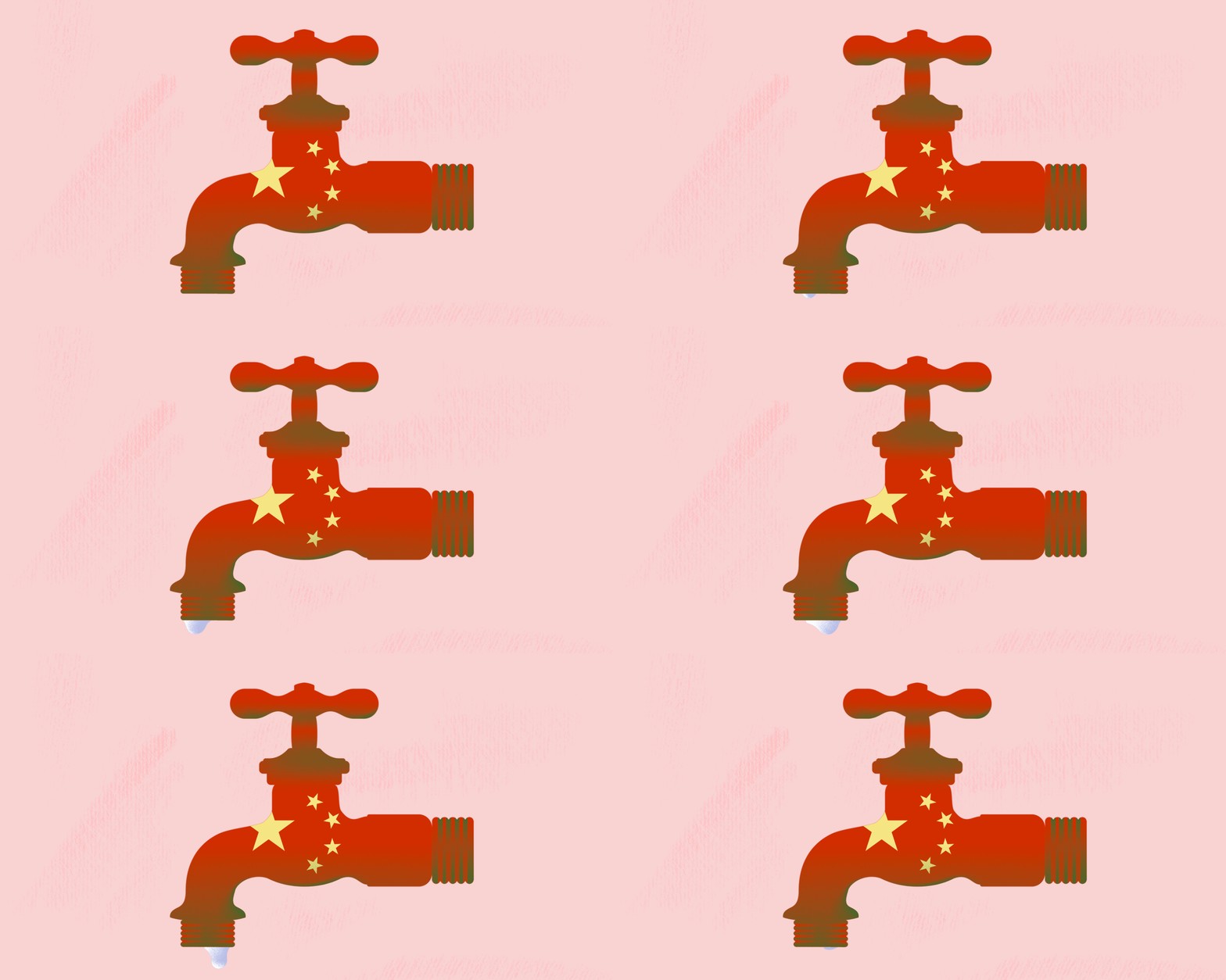
Will global climate action be a casualty of Trump’s tariffs?

Image credit: Timmy Loen
US President Donald Trump may have walked back some of his tariffs, but there’s no question that global trade is undergoing a seismic shift. Global climate action is unlikely to be spared the consequences.
New tariffs against China, the world’s biggest manufacturer of clean energy technologies, could significantly reduce green energy investment in the US while creating openings for other countries to ramp up their climate transitions.
Clean energy developers in the US must now contend with higher costs for imported components and materials, potentially pushing the country to the margins of the global market.
Meanwhile, countries in Southeast Asia are poised to benefit as renewable energy investors redirect their focus away from the US. This could also accelerate clean energy adoption in the region.
TRENDING NEWS
Also check out Tech in Asia’s coverage of Asia’s ecommerce scene here.
1️⃣ Charging EVs with solar power: Viet firm says not easy
Vietnam-based SolarEV is struggling at home due to high costs, regulatory hurdles, and competition from VinFast’s free charging network. SolarEV is trying to gain a foothold in provincial areas and highway corridors.
Why it matters:
Market imbalance could slow Vietnam’s clean energy and EV goals if VinFast is the only local player that gets to compete.
2️⃣ VinFast’s 2024 revenue rises by 58%, net loss up 38%
Speaking of VinFast, the Nasdaq-listed EV manufacturer’s revenue surged by 57.9% to US$1.8 billion in 2024. However, its net losses also ballooned to US$3.2 billion, up about 38.3% from 2023.
Why it matters:
VinFast may be the standard bearer for EV firms from Southeast Asia, but sooner or later, the company will need to start turning a profit. Founder Pham Nhat Vuong can’t bankroll it forever.
3️⃣ Revealed: Big tech’s new data centres will take water from the world’s driest areas
Tech titans like Amazon, Microsoft, and Google are building and operating energy-guzzling and water-sucking data centers in some of the world’s driest regions, according to a new report. Conducted by nonprofit SourceMaterial, the study found that these companies have 38 active data centers in areas facing water scarcity, with 24 more under development.

Image credit: Timmy Loen
Why it matters:
The environmental damage of AI-driven data centers is known, but the locations that will bear the brunt of these effects deserve greater attention. Chances are, these areas are in the Global South.
4️⃣ Apple cuts emissions 5% in 2024, aims for 90% by 2050
The iPhone maker reduced its greenhouse gas emissions for 2024 by 800,000 metric tons, down 5%. Apple hopes to cut its overall emissions of 15.3 million metric tons by 90% by 2050.
Why it matters:
Ambitious emissions reduction targets like these from global tech firms should be lauded. Of course, the proof is in the pudding.
5️⃣ Saying ‘thank you’ to ChatGPT is costly. But maybe it’s worth the price
Having manners when using AI chatbots can get expensive. Not only does saying “please” and “thank you” mean tens of millions of dollars in extra processing power for companies like OpenAI, but it also leads to higher energy and water usage. But despite the costs, experts suggest that politeness to AI may be worthwhile to maintain healthy human interaction habits and cultural norms.
Why it matters:
We used to say it doesn’t cost anything to be kind. But AI has literally put a price tag on courtesy, and it can be measured in environmental damage.
STARTUP WATCH
1️⃣ Indian biotech startup GreenGrahi raises $3.8m seed funding
GreenGrahi has raised US$3.8 million in seed funding in a round led by Avaana Capital. The India-based firm specializes in insect-based solutions for animal feed and agriculture.
2️⃣ From spark to surge: practical tips for scaling energy startups
Scaling is tough for any startup. This panel discussion, hosted by Petronas Ventures – the corporate venture capital arm of the Malaysian oil and gas firm – dives into actionable tips for founders looking to scale their energy firms.
3️⃣ Clean iron startup Electra raises $186m for renewable plant
US-based Electra, which focuses on decarbonizing iron production, has secured US$186 million in a series B round. The fundraise was co-led by Capricorn Investment Group and Temasek Holdings.
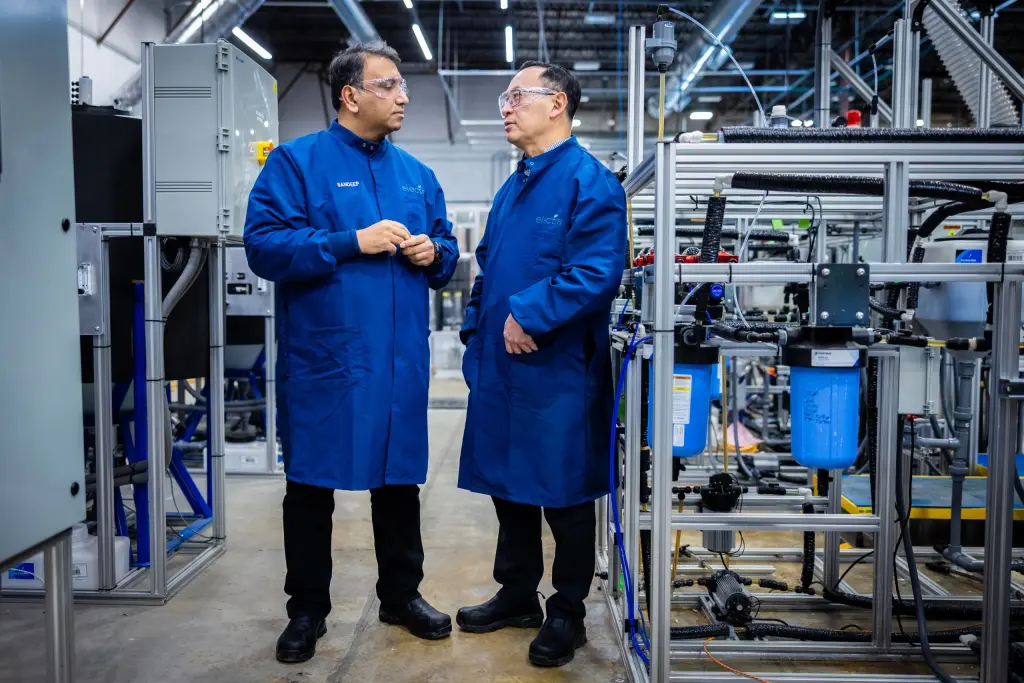
Electra co-founders Sandeep Nijhawan (left) and Quoc Pham / Photo credit: Electra
4️⃣ Agritech ClimAccelerator SG launches APAC climate startup program
The initiative will target climate-focused startups from Australia, Indonesia, New Zealand, Singapore, Thailand, and Vietnam.
5️⃣ Investors bet $9m on Korean startup’s precision-fermented grape yeast proteins
Seoul-based Intake has raised US$9.2 million to expand its alternative protein offerings. The food tech firm has developed a yeast strain from locally grown grapes designed to replace whey protein.
The hard truth about startup growth
Candid lessons from the people who’ve scaled – and those who help others do it
Here’s a not-so-fun fact: 80% of early-stage startups struggle with the same roadblocks – funding, mentorship, and go-to-market clarity. In this candid 30-minute panel, you’ll hear from founders who’ve been through the grind and experts who’ve helped startups scale.
They dive into what moves the needle for founders, including how to pitch in today’s capital environment, where to find impactful mentorship, and how to refine ideas into market-ready products. If you’re building or backing a startup, watching this panel will be worth your time.
The recording is free to access – just fill out this form to unlock the session.
That’s it for this edition – we hope you liked it! Do subscribe to continue receiving The Offset.
See you next month!
The Offset is made possible thanks to Taiwan Mobile.
The company recently announced a collaboration with the BMW Group to become the first telecom operator in Taiwan to extend mobile number connectivity into smart vehicles.
Taiwan Mobile, verified by the Science Based Targets initiative (SBTi), commits to net-zero emissions by 2050.
Stay updated on the go with our mobile app.
Get latest insights with smoother, more personalized experience through TIA mobile app.
Recommended reads
 Tracking AI hiring in Singapore: OpenAI, Anthropic, and more
 Last to board: why travel may be AI’s final frontier
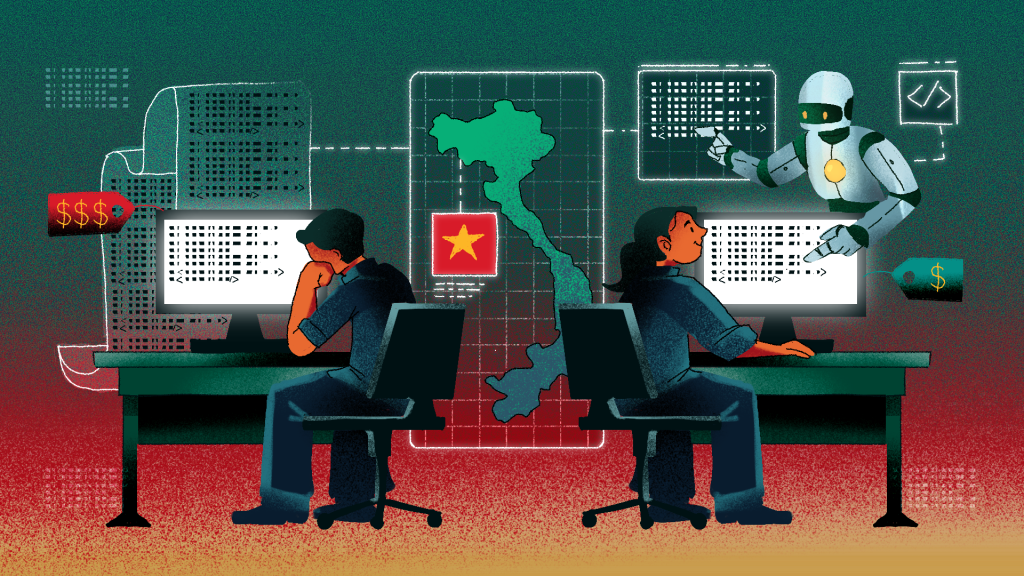 Why ‘cheaper’ no longer wins dev deals for Vietnam
 Alibaba’s capex isn’t the full story
 Forget startups. Buy the business running on Excel
 Life’s a game, and AI agents are Animoca’s new play
 Indonesian AI startup goes global
 Forrest Li on scaling Sea, building smarter bots, and founder grit
 An AI assistant that joins sales calls and scores team skills
 Beyond the check: Why VCs need more than capital




Editing by Collin Furtado and Eileen C. Ang
(And yes, we’re serious about ethics and transparency. More information here.)






📅 Upcoming Events
22 October 2026
Payoneer x CSPN Summit 2026