- Premium Content It takes our newsroom weeks - if not months - to investigate and produce stories for our premium content. You can’t find them anywhere else.
 Scott Shuey · · 7 min read
UST, lies, and Hodlnaut: How a rising star fell back to earth
The mismanagement and lies at Hodlnaut could easily make a compelling movie.
According to court documents seen by Tech in Asia, the Singaporean crypto lender, a seemingly serious outfit with a license to trade in cryptocurrencies, decided that earning 3% to 10% margins wasn’t good enough.
To boost its earnings to 20%, it emptied its accounts, bought millions in stablecoin TerraUSD (UST), and went to an equivalent of a crypto casino, where it almost lost everything when the Terra ecosystem collapsed. It then repeatedly denied ever doing so.
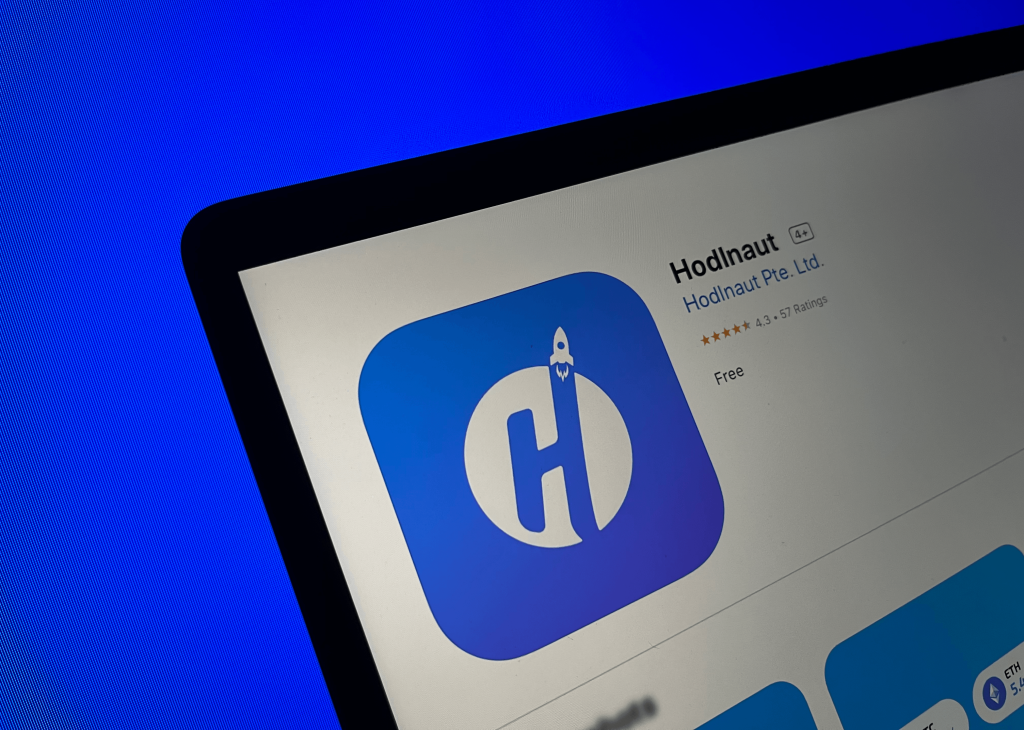
Photo credit: Tech in Asia
The truth came out in Hodlnaut’s application for judicial administration, Singapore’s equivalent of bankruptcy reorganization proceedings. The affidavits for the application reveal that Hodlnaut indeed lost US$189 million in the UST collapse in May.
Panicked Hodlnaut users pulled out another US$150 million over the next month, and falling crypto prices further reduced the value of the company’s assets.
By July 19, just two months after the collapse of the Terra ecosystem, Hodlnaut had only US$92 million left in cryptocurrencies but owed over US$238 million, giving it a debt-to-asset ratio of 30 cents to the dollar.
Making the situation worse is a demand from the Singapore police for Hodlnaut to transfer over US$127 million in stablecoins to Samtrade Custodian Limited, a creditor of Hodlnaut that is also under judicial administration. The crypto lender is fighting the demand in court. Losing that battle would leave Holdnaut without any cryptocurrencies to its name, according to court documents.
What makes this case so egregious isn’t just that millions of clients’ funds were invested in UST, a token that some crypto experts consider much riskier than other such assets. It was the lack of communication about it and the later attempt to cover it up that make this such a striking situation.
Previous reporting by Tech in Asia, which has been confirmed by court documents, showed that Hodlnaut has been investing hundreds of millions in Terra’s Anchor Protocol, a staking platform for UST.
Hodlnaut never informed its clients that it was moving assets into Anchor. (To be sure, this lack of transparency is a common problem among centralized crypto lenders.)
By the time UST crashed, Hodlnaut held over US$317 million, estimated to be more than half of its assets under management. On May 11, the day the crash began, Hodlnaut still had over US$187 million in the Anchor protocol.
Hodlnaut denies everything
The dust hadn’t even settled on Terra’s collapse when Hodlnaut’s main Twitter account sent out a tweet denying it had any exposure to UST.
The first part of the tweet claimed that Hodlnaut was not “all in” on UST, which turned out to be a half lie. The second part of the tweet repeated the claim that the company made its money from in-kind yields, which usually refer to interest that is paid in the same asset class as the investment.
A toxic work environment
Fighting for survival
Stay ahead in Asia’s tech landscape
This is premium content. Subscribe to read the full story.
We look at how Hodlnaut, a rising crypto lender, ended up fighting for its survival in a Singapore courtroom.
We know this is not ideal. ⌛ Sign up in 20 seconds. Cancel anytime.
Our subscriber community includes professionals from these companies:





Stay updated on the go with our mobile app.
Get latest insights with smoother, more personalized experience through TIA mobile app.









📅 Upcoming Events
22 October 2026
Payoneer x CSPN Summit 2026