- Insights This article was written by a TIA community member. Insights pieces undergo the same rigorous editorial process that newsroom-produced articles have.
 Alec Tseung · · 5 min read
Hong Kong replaces Wall Street as China’s IPO hotspot
Chinese tech companies used to dream of going public in the US, following in the footsteps of the likes of Alibaba, which set a then-world record with a US$25 billion IPO on the New York Stock Exchange in 2014.
But today, the dream destination might be a bit closer to home: Hong Kong.
The city has long served as the bridge between China and the world. From the goods trading of the 1970s and 1980s, Hong Kong has become a link between international capital and Chinese investments.

Photo credit: hanohiki / 123RF
The recent listing of CATL, a Chinese electric vehicle battery manufacturer, encapsulates this transformation. The firm raised US$4.6 billion on the Hong Kong Stock Exchange, making it the world’s largest IPO of the year so far. The listing also made the exchange the world’s leading IPO market by cash raised this year, ahead of the Nasdaq.
Other Chinese firms have followed suit. Just this week, packaging firm Xiamen Jihong raised US$52.9 million in its Hong Kong IPO, while biotech company PegBio scooped up US$30 million.
As more Chinese companies, especially tech firms, chase global growth, Hong Kong has become their IPO gateway of choice. Here’s why.
Going global, but the cash can’t follow
Besides Southeast Asia, I spend a considerable amount of time in Kazakhstan and other Central Asian countries. Since 2022, every time I visit the region, I have been amazed by the sheer number of new Chinese companies establishing offices and operations there, from large state-owned enterprises to individual founders seeking to replicate their domestic successes.
Weak domestic consumer demand and intense competition have pushed many Chinese companies to pursue overseas expansion – the so-called “Chu Hai” strategy (meaning “go overseas” in Chinese) – to seek international markets for their products.
Given the geopolitical tensions as well as the restrictions imposed on China by the US and many of its allies, Southeast Asia has become one of the most popular expansion targets for Chinese companies, followed by the Middle East and other emerging markets.
However, Chinese companies pursuing overseas expansion face a significant challenge – moving money abroad to fund operations and businesses outside China. The Chinese yuan remains non-freely convertible, and the country maintains strict currency regulations and limits.
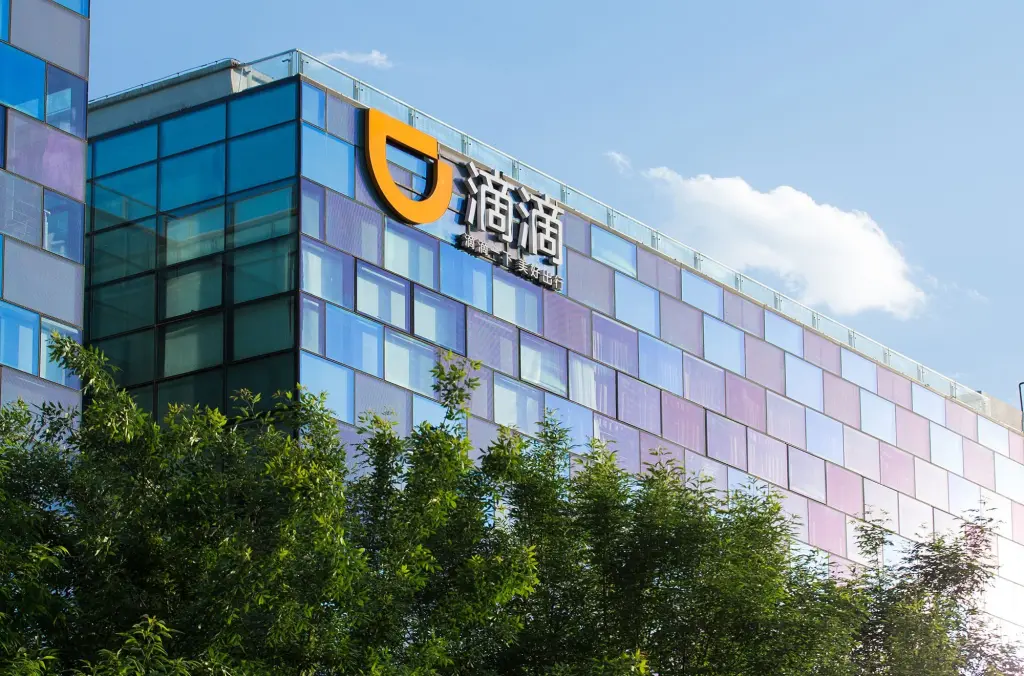
Didi headquarters | Photo credit: Didi
Consequently, Hong Kong – as an offshore financial center with the freely convertible Hong Kong dollar – has emerged as a solution. This became especially relevant after Didi’s US IPO in 2021, which led to listings in the market becoming increasingly difficult for Chinese companies due to scrutiny from both China and the US.
How about Singapore, lah?
Growth goals
Stay ahead in Asia’s tech landscape
This is premium content. Subscribe to read the full story.
As US markets become virtually inaccessible to Chinese companies, Hong Kong emerges as the new IPO capital for firms like CATL and Mixue seeking overseas expansion.
We know this is not ideal. ⌛ Sign up in 20 seconds. Cancel anytime.
Our subscriber community includes professionals from these companies:





Stay updated on the go with our mobile app.
Get latest insights with smoother, more personalized experience through TIA mobile app.










📅 Upcoming Events
22 October 2026
Payoneer x CSPN Summit 2026