Paul Bischoff · · 3 min read
Why China’s new domestic desktop operating system could actually stick
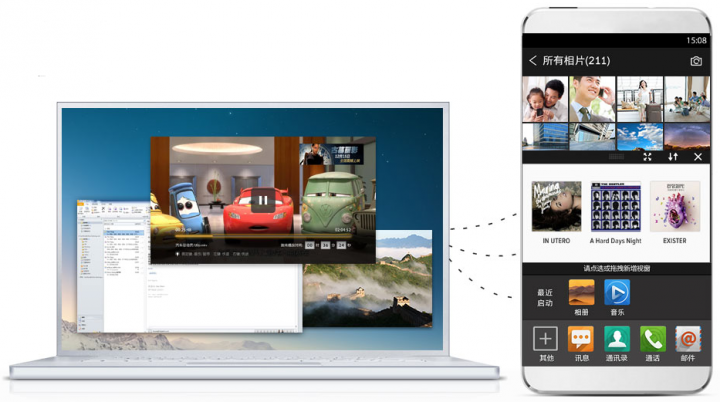
China’s next attempt at a homegrown desktop operating system is slated for an October debut, according to state-run news agency Xinhua.
China Operating System, abbreviated COS, will first appear on desktop computers, and later reach smartphones. We already caught a glimpse of the mobile version at the beginning of this year, and noted its strong resemblance to Android. However, Ni Guangnan of the Chinese Academy of Engineering, which makes COS, said it is not another Chinese Android skin.
As for the upcoming desktop version, you’d be forgiven for being a bit skeptical. China has failed miserably at making its own operating systems in the past. But several factors have come together that could help Ni realize his dream of replacing domestic operating systems in the next one to two years.
XP expired
Whether they be genuine or pirated, the majority of Chinese PCs have been hooked on Windows XP since the turn of the millenium. But much to the dismay of China and many other countries, Microsoft has ended support and security updates for the aged operating system. Nonetheless, China still has an estimated 200 million XP users as of April. While Microsoft aims to push users to buy new PCs rocking Windows 8, it also leaves room for a competitor like COS to get its foot in the door.
Antimonopoly
Like many western technology giants, Microsoft is the subject of much government scrutiny and even an antimonopoly investigation by Chinese authorities. The government justifies its actions by pointing to the Snowden/NSA cyber-spying revelations, saying there is a need for China to create and use its own software and other infrastructure for security reasons. Authorities have even banned Windows 8 from government procurement, potentially making China’s many state-owned enterprises and government bureaus the initial user base of COS.
See: Which Chinese tech companies benefit from cyber security row with US?
Lenovo’s strong growth
Lenovo has grown to be the world’s biggest maker of PCs, and it’s the only one still seeing steady growth of PC sales. As it continues to snatch up market share both in China and abroad, the company’s influence over the direction of China’s PC market also grows. In China, all Lenovo PCs already come with the option to install Ubuntu Linux instead of Windows. With a nudge from the government, COS could easily be added to that list of options, creating a mainstream avenue for the new OS to spread.
On the mobile side, Chinese phone manufacturers are also stealing market share away from foreign rivals like Samsung. While Xiaomi isn’t likely to give up its MIUI Android skin, companies closer to the central government like Huawei, ZTE, and perhaps Lenovo might be more compliant. Ni told Xinhua, “China has more than a dozen mobile OS developers with no independent intellectual property rights because their research is based on Android.” He argues future development should be led by the government.
See: China wants to kick its Android habit in three to five years #GoodLuckWithThat
Learned from failure
China’s previous attempt to create a domestic OS came in the form of Red Flag Linux. Earlier this year, the company went bankrupt and liquidated its assets. But China as a whole is getting better at making quality hardware and software. COS will almost certainly be an improvement on its predecessors. That, coupled with newly-stigmatized American technology, casts a favorable light on the upcoming OS.
Many of the details of COS are still vague. Will it be based on an existing operating system? How will it attract developers to create apps and other software? And how forceful will the central government’s hand be in pushing COS onto hardware sold in China? All these questions and more still need to be answered before we can really judge the viability of COS, but so far it has the best prospects yet of succeeding.





Stay updated on the go with our mobile app.
Get latest insights with smoother, more personalized experience through TIA mobile app.