- Insights This article was written by a TIA community member. Insights pieces undergo the same rigorous editorial process that newsroom-produced articles have.
 Sanjeev Sularia · · 6 min read
Opinion: What startups can learn from the decline of Toys R Us
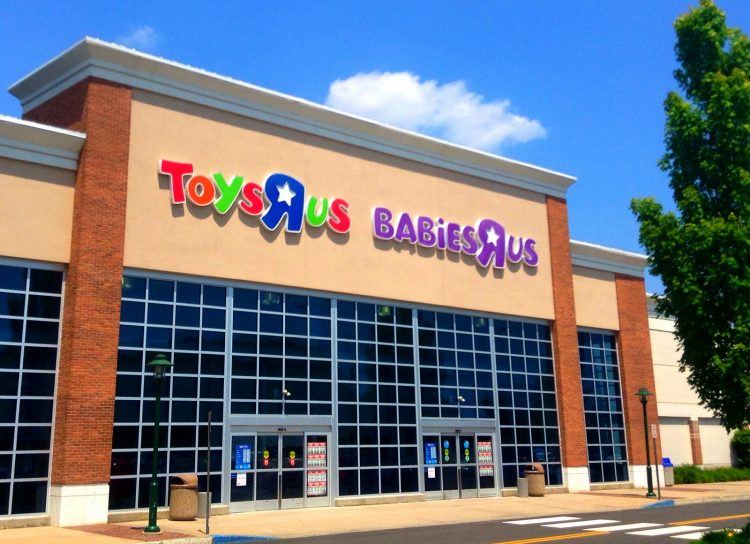
Photo credit: Mike Mozart.
Mere weeks before the holiday season began, American toy retailer Toys R Us filed for Chapter 11 bankruptcy protection amid crippling debts, declining sales, and relentless competition from retail powerhouses.
This incident can be a rich source of lessons for startups who wish to avoid a similar fate. To stay relevant and profitable, startups can consider the following pieces of advice.
1. Lead with your greatest strength
Last year, the baby products category accounted for 36 percent of the total US revenue of Toys R Us, representing the company’s biggest share of domestic product sales. This suggests that baby products—and not toys—are the brand’s strength and core differentiator.
As competitors Amazon and Walmart grow their market share in the toy category, Toys R Us has announced its plans to focus on baby products.
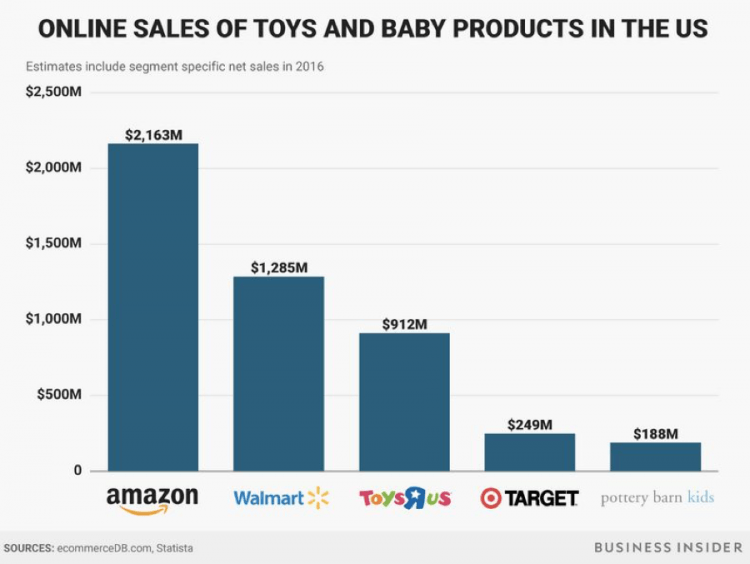
Tough competition in toys: Powerful rivals have eroded Toys R Us’ competitive edge in toys and baby products.
Toy sales have fallen in recent years as more consumers shop online. With its vast product offerings, Amazon is the largest seller of toys and baby products online in the US, with US$2.16 billion in sales in 2016. While its toy sales rose in 2016, Toys R Us’ revenues fell, and the company hasn’t reported a profit since 2013. Meanwhile, Walmart is aggressive with prices, and the expansion of its baby products led to nearly US$1.3 billion sales last year.
Takeaway
- What unique qualities make your company stand out and sell?
- Is there a niche where your company outperforms your rivals?
2. Remove the blinders
While internal performance deserves strategic attention, it’s also vital to watch your rivals to protect your competitive position.
Amazon and Walmart dominate ecommerce sales due to lower costs, a robust online presence, and fast home delivery. Online retail gained share points last year to account for more than 20 percent of baby product sales, and Toys R Us’ competitors—Walmart, Target, and Amazon—all earned ecommerce share.
This means that Toys R Us needs to focus more on its online business to avoid losing any more market share to its online rivals. Offering an efficient online shopping experience must be a priority, including fast web page loading, sufficient product data to help shoppers make a purchase decision, and a seamless mobile payment system.
Amazon excels at effective cross-merchandising, which boosts the average value per transaction by driving add-on sales. Its limited flash sales also entice with huge bargains for online shoppers who complete their purchase immediately. Walmart’s price-matching policy offers everyday low prices both in their stores and online.
3. Use empathy as strategy
4. Balance emotion with data-driven logic
5. Invest more where you’re in demand





Stay updated on the go with our mobile app.
Get latest insights with smoother, more personalized experience through TIA mobile app.