- Insights This article was written by a TIA community member. Insights pieces undergo the same rigorous editorial process that newsroom-produced articles have.
 Joe Liebkind · · 4 min read
Opinion: What it really takes to build a smart city
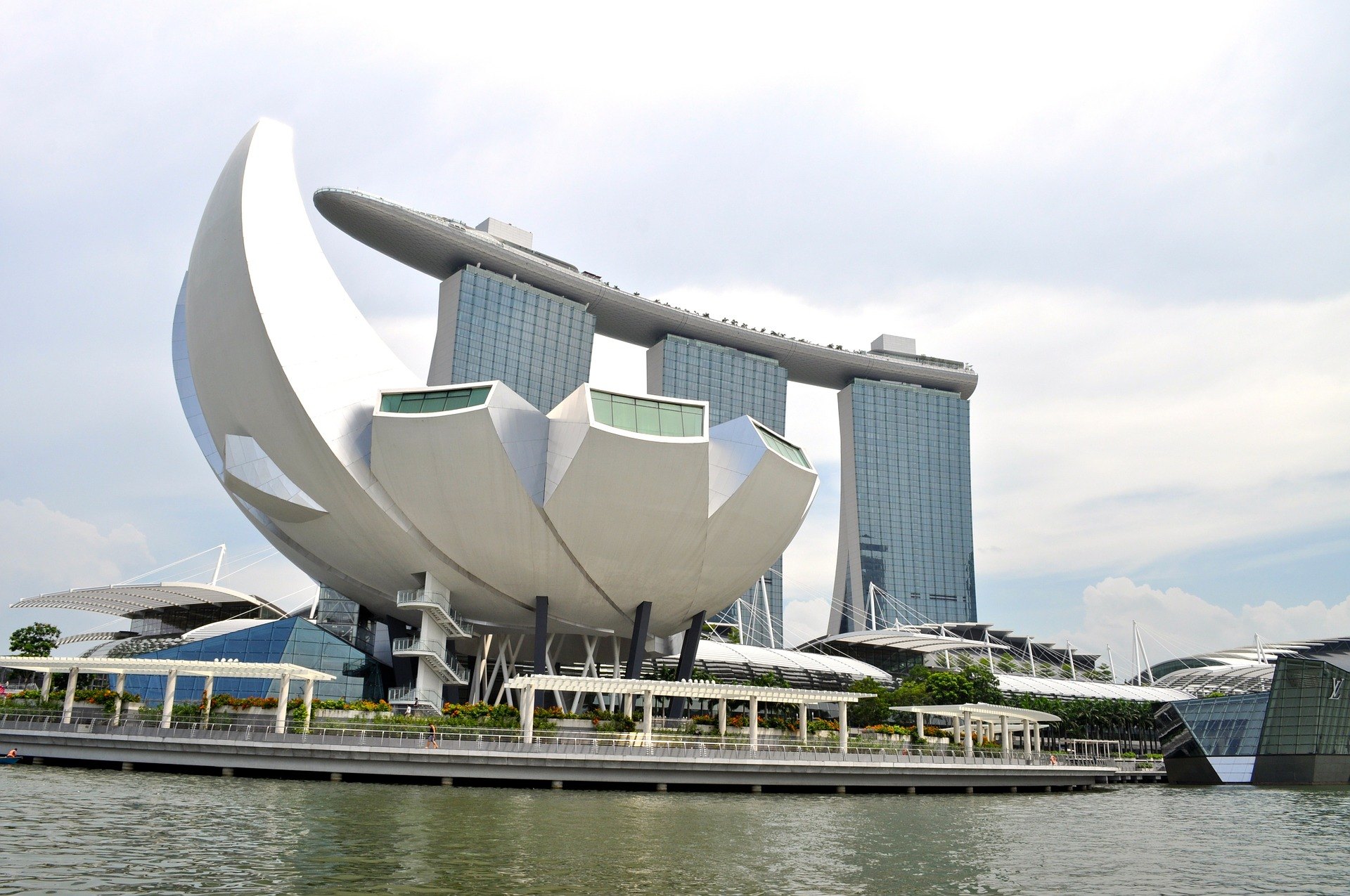
Photo credit: Suman76.
Humans have moved from living in the wilderness to inhabiting urban centers, and societies are constantly looking for ways to improve quality of life.
Many major metropoles around the world are now implementing new projects and technologies in the quest to become “smart cities.” However, despite the growing popularity of the term and many cities’ efforts to be the first past the post in the race for modernization, the definition of what makes cities smart remains unclear.
In technical terms, smart cities are those that use diverse types of information communication technology to supply information related to asset and resource management. Smart cities depend on internet-of-things (IoT) developments, wireless technology, and other innovations to improve quality of life.
However, a major aspect that is commonly overlooked is that smart cities deploy these technologies not just to gather data but to make the city an attractive place to live.
Strong technology infrastructure and advanced analytics
The success of a smart city lies in how well its leaders understand what residents need and how best to provide it. Many municipalities have started implementing IoT solutions to both streamline city services and gather data that can be turned into actionable results. On one hand, these devices and platforms automate services that have traditionally required human interaction, including traffic control, power allocation, utility services, and more. On the other hand, they produce copious amounts of data that can be used to improve and refine services for residents.
China, for example, has partnered with Huawei to create an IoT infrastructure. This has already enhanced tourism and offered intelligent public services like trash collections, metering, and even improved healthcare deliverables.
The Chinese central government has been furiously investing in upgrading its cities. Estimates show that over 500 cities will be transformed into smart cities by the end of the year. Most prominent among these cities is Beijing. Many consider it the “smartest” city in the country, thanks to its high penetration of cashless technology and its efforts to reduce pollution and congestion.
Creating an infrastructure that can deliver better services while generating actionable data that can lead to further enhancements is a must for cities looking to “technify.”
An empowered citizenry
Smart cities are more than urban environments wired with expensive technology. A major component depends on engaging residents to take part in the process. Empowering a city’s citizenry encourages residents to be an active part in effecting change. This creates a more sustainable model for development.
In Moscow, for example, the municipal government—which has undertaken a multibillion-dollar renovation project—has created avenues to empower its citizens to speak, vote on, and highlight developments that affect their lives directly. The government’s mobile application, Our City, lets citizens report issues and suggestions with public services. This alone has resolved more than 1.9 million issues around the city.
Moscow has also created a crowdsourcing platform for citizens to propose new projects. The city now has a 35 percent fintech adoption rate and is steadily climbing the ranks of the smartest cities in the world.
By empowering citizens, municipal governments can harness one of their most powerful resources and create more transparency.
A drive for innovation and entrepreneurship
IoT improvements and an active citizenry are lofty goals, so having a way to encourage and drive these innovations with minimal overhead is vital.
Widespread connectivity
Creating better cities





Stay updated on the go with our mobile app.
Get latest insights with smoother, more personalized experience through TIA mobile app.









📅 Upcoming Events
22 October 2026
Payoneer x CSPN Summit 2026