- Insights This article was written by a TIA community member. Insights pieces undergo the same rigorous editorial process that newsroom-produced articles have.
 Raja Jamalamadaka · · 3 min read
Every startup founder needs these words on humility
The Harvard Business School undertook an excellent research on the attributes that separate founders from non-founders. They evaluated them on a few important parameters, and here are the results:
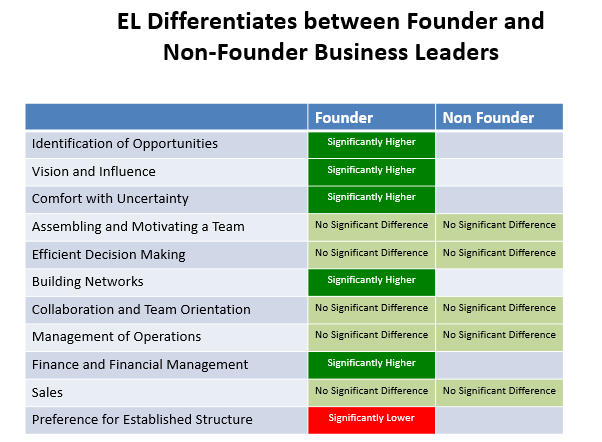
Contrary to popular perception, successful entrepreneurs aren’t any better than non-entrepreneurs at team management, decision making, operations, or sales. However, they are significantly better in five core areas:
- Envisioning the future
- Identifying opportunities
- Developing comfort with uncertainties
- Building networks
- Managing finances
Except financials, all of these are related to attitude. Entrepreneurship is fundamentally an attitude and it takes time, effort, and skill to master. Sure, some people are born with inherent strength in entrepreneurial qualities, just as some people naturally have a positive attitude. But others can develop and strengthen the entrepreneur in them over time with the right effort.
Ask any entrepreneur about attitude and they are likely to point to perseverance, confidence, communication skills, intelligence, and extra-mile-mentality, as these are some vital attributes of entrepreneurship. But in my years of experience mentoring founders across geographies, I have found that while those attributes are important, there is one that is very underrated but extremely important. This skill plays a vital role in mastering entrepreneurship—humility.
Why humility? There are four core reasons:
1. I need some help
For many entrepreneurs with low humility, those are four of the toughest words to utter.
Identifying an opportunity and developing a vision around it naturally involves dealing with a lot of ambiguity and uncertainty. Even with entrepreneurs that have their inherent strengths and confidence, there are still too many unknowns that require them to seek help.
Without humility, ego takes the front seat and a fake sense of confidence and misguided arrogance set in, precluding sane advice in the process. Entrepreneurs in this situation cut off voices of dissent or, worse, seek acknowledgement from their friends or “yes-men,” crashing their ventures and themselves in the process.
Humility strengthens self-image and simultaneously helps tone down an unhealthy ego.
2. I need to change
These are the next most difficult words to say for many entrepreneurs. Virtually no successful entrepreneur ever ends up with a venture that is close to what they started with.





Stay updated on the go with our mobile app.
Get latest insights with smoother, more personalized experience through TIA mobile app.