- Insights This article was written by a TIA community member. Insights pieces undergo the same rigorous editorial process that newsroom-produced articles have.
 Paulo Joquiño · · 4 min read
How these Philippine ecommerce players are building long-term customer relationships
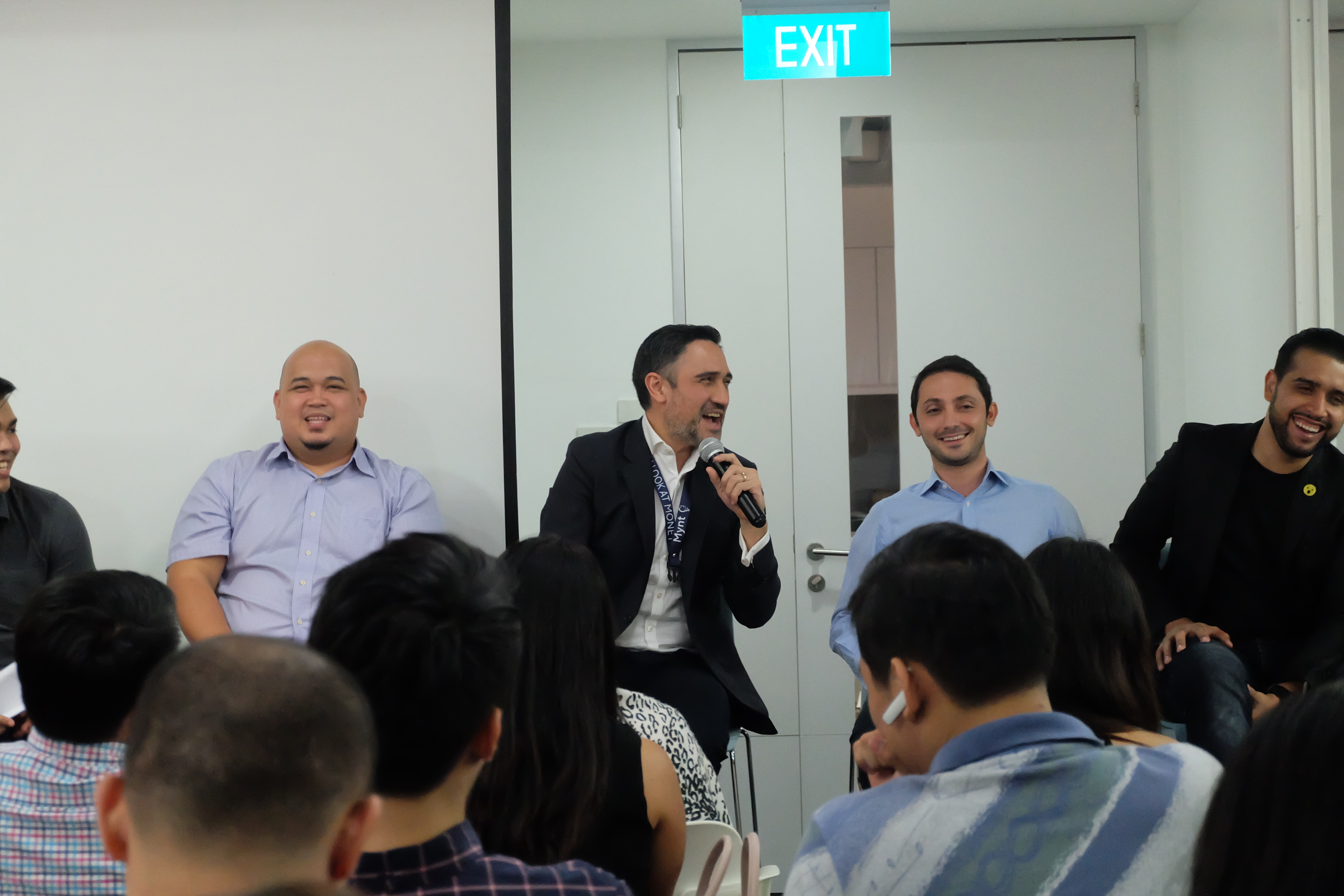
(L-R) Mark Joseph Panganiban, head of digital business at Air21; Jean-Francois Darrell, chief analytics and risk officer at Mynt; Inanc Balci, CEO and co-founder of Lazada Philippines; and Ash Mandhyan, head of client solutions at Facebook Philippines.
This is the second of a three-part series tackling discussions during the Tech in Asia Manila Chapter meetup on the state of ecommerce in the Philippines. You can read the first part here.
The Philippines’ explosive ecommerce growth did not happen overnight. Behind all the hype are the entrepreneurs and decision-makers who took risks for their businesses to take off in the country.
As the panelists at the Tech in Asia Manila Chapter event shared, these decisions were not just for their companies but also in response to improving the experience of Filipino consumers. As ecommerce continues to make headway into the Philippines, these decisions are no longer simply a matter of getting customers to use these services, but building long-term customer relationships that go beyond online payments and purchases.
Here are some lessons these panelists shared at the event.
Flexibility in an ever-changing market
As the panelists shared the mistakes and wrong assumptions they’ve made along the way, it became clearer how important and difficult it is to be flexible and ready to deal with change.
To do this involves foregoing experience and being open to market developments. According to Mark Joseph Panganiban, head of digital business at Air21, Lazada actually talked to them about cash on delivery (COD) initially. “But for somebody with years and years of operations, we knew COD [was] difficult, and we actually refused to do COD in the beginning, until we were proven wrong,” says Panganiban.
But figuring out when and how to adjust to changes involves communicating with other stakeholders as well. Martin Yu, head of business intelligence for Shopee Philippines, shared about a time they were unable to communicate properly with their logistics partners as they were scaling. “We came to a point when the experience started to not be as great because our partners could not keep up with [this] kind of user acquisition at the rate that we were growing,” he shares.
Flexibility also often comes into play when learning more about user preferences and priorities. When these change, adjusting takes a lot more than simply following the user wherever they go. Bjorn Pardo, founder and CEO of Xend Business Solutions, Inc., points out, “We started to see [that] although the app (Xend) usage was great, a lot of people [were] shifting over to just texting.”
They dug deeper into the problem and realized that instead of building their solution around SMS, it made more sense for them and their users to leverage Facebook Messenger, as it’s a free service with great usage.
Going for the long haul with the consumer
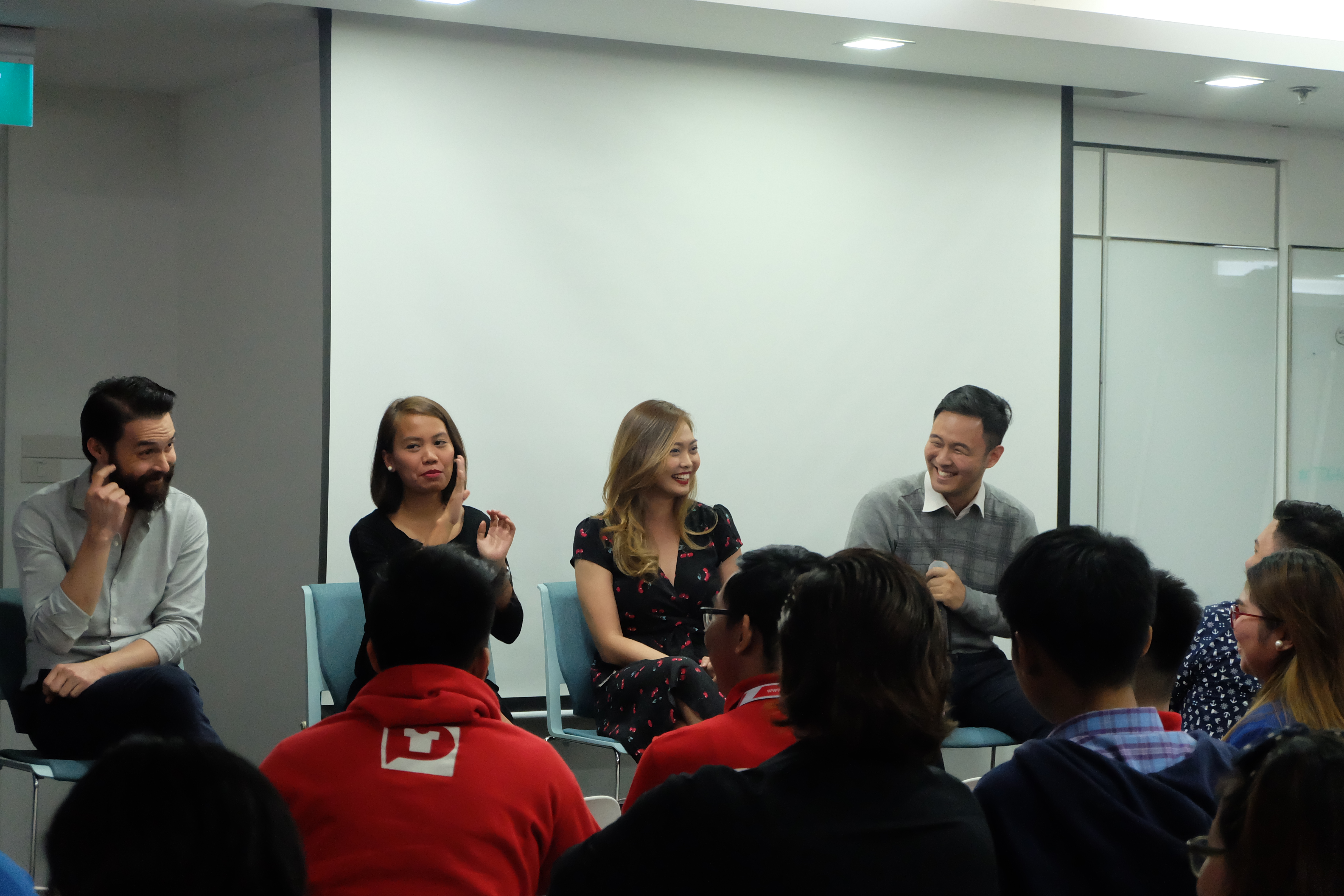
(L-R) Bjorn Pardo, founder and CEO of Xend Business Solutions, Inc.; Kristina Ay-ay, co-founder and country head of ShopBack Philippines; Abbie Victorino, founder and CEO of StyleGenie; and Martin Yu, head of business intelligence for Shopee Philippines.
Securing a position in the market is one thing; gearing up for sustainability is another. At the core of ecommerce companies are its customers, and going for the long haul is all about customer relationships founded on trust. “You have to know your customers,” says Abbie Victorino, the founder and CEO of StyleGenie. “Eventually, they will tell you what you want to learn.”
Here are some of the ways to develop customer relationships, according to the panelists:





Stay updated on the go with our mobile app.
Get latest insights with smoother, more personalized experience through TIA mobile app.