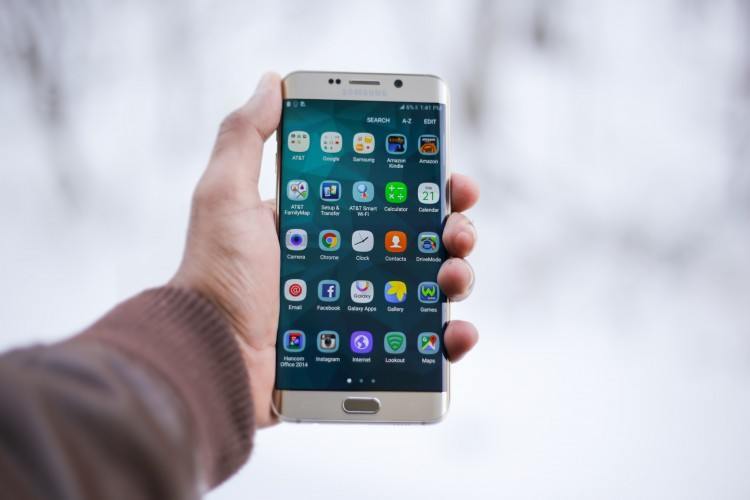
Photo credit: Pexels
“There’s an app for that.”
It’s the trademarked slogan that defined the mobile world since 2008. Surely, apps seemed to be the way to go. Coding bootcamps that claimed to teach you app development chops within weeks popped up everywhere; products used commercials to go out of their way and show off their new apps; heck, even that family restaurant around the block got its own menu app built.
With the release of the App Store in 2008, Apple was the first to popularize the idea of nicely packaged, downloadable applications on your phone.
People don’t care how it all works, they just want to throw birds at pigs and show off their #nofilter selfies.
However, this concept of centralized software distribution isn’t actually new. Many handheld and desktop devices already had some form of application store built in years before Apple’s App Store debut. The reason why Apple succeeded, in retrospect, is a combination of timing and technology. By 2008, the iOS (then “iPhone OS”) platform was able to offer access to a maturing 3G network, a well-documented development environment, great handheld graphics, and most importantly, the backing of a technology giant. Mobile apps made sense. They were the most efficient way to deliver the newest content and services with native experience and performance.
People don’t care how it all works, they just want to throw birds at pigs and show off their #nofilter selfies. The ability to download and run cool apps was the iPhone’s winning feature for a short while. Android soon followed suit. Smartphones became cheaper; networks became faster; handheld processing power quadrupled; apps prevailed.
Ok Sherlock, so what’s wrong?
Nothing. But we can do better now. “Better than this app that lets me feed and play with cute cats?” Yep.
You see, mobile apps succeeded because of the right combination of fast network and capable handheld processors. Technology has progressed much further than that in the meantime, and the world of apps has grown beyond a healthy size. Among all of the headaches that follow the impenetrable mobile market today, the two most urgent would be the delivery and discoverability of content.
Delivery and discoverability
Everyone with a smartphone has experienced this at some point: “Wow, this restaurant/shop is offering 20 percent off the special entree…oh, but only if you have this app,” or “Wait, I have to download an app for this? I just to want to see what my friend posted.” You probably heard from a friend or saw in a billboard about this really cool app that’ll transform your life, but hesitated to install it, or worse, pay for it.
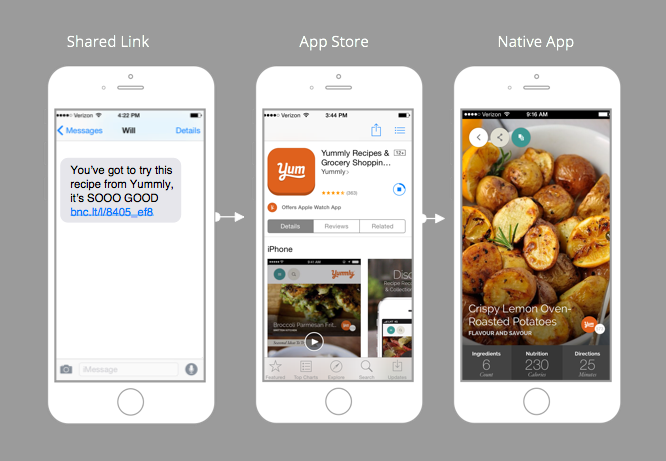
Photo credit: Branch Metrics
The problem is twofold. Let’s start with the first: delivery.
App linking and indexing works, but not well enough
App Streaming from Google
On-demand resources from Apple
The underrated quest for web apps
A future without apps





Stay updated on the go with our mobile app.
Get latest insights with smoother, more personalized experience through TIA mobile app.