- Insights This article was written by a TIA community member. Insights pieces undergo the same rigorous editorial process that newsroom-produced articles have.
 Ali Madihid · · 4 min read
How Indonesian customs is affecting cross-border B2C ecommerce
With a population of 650 million and an extremely fast growing middle class, Southeast Asia is fast becoming a battleground for many brands.
Most are choosing to penetrate and explore the market via cross-border ecommerce, as it requires the least cost and risk. However, this may not be the best for customer experience, especially with erratic customs practices and regulations (except Singapore and, to some extent, Malaysia).
Indonesian customs
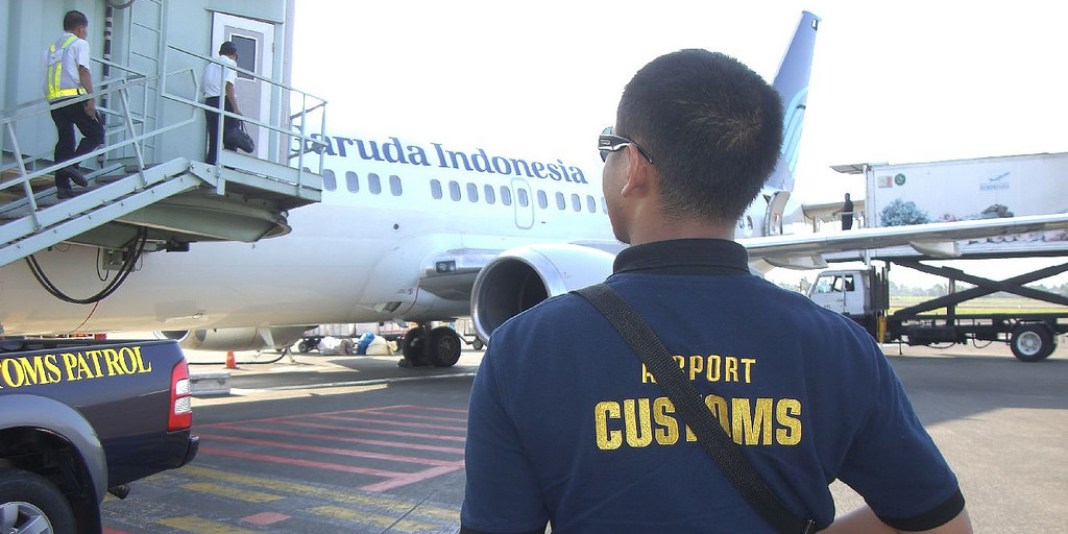
With 265 million people, Indonesia remains the key focus for many brands keen on getting a piece of Southeast Asia’s pie. President Jokowi’s government has been pro-business and has made it somewhat easier for foreign brands to open up their subsidiaries in Indonesia. However, registering a business does not translate to ease of operating, especially when it involves importing products.
Businesses need to jump through additional administrative “hoops” prior to getting their products into the market. For example, they will need to apply for an import license, register their products with BPOM (Indonesia’s food and drug supervisory agency), and complete the necessary paperwork.
This is especially true for brands big enough to require a certain degree of compliance. After filling out the paperwork, companies are placed in customs “red lanes” for the first few months (or years). Hopefully, a promotion to yellow or green status will follow.
This is purely import-related and does not take into consideration the work required in establishing localized operations. Establishing a local business to import and then distribute to consumers is costly, time-consuming, and effort-intensive. As such, most brands are looking at a B2C cross-border ecommerce operating model.
Not surprising, more Indonesian online marketplaces and sites are also looking at this supply chain option of B2C cross-border import to attract (and acquire) more products, merchants, and international brands to list on their sites. Lazada and Shopee are leading the way, with almost 100 percent of imported products coming from China. Amazon is surprisingly still very quiet in this market.
Why did cross-border B2C ecommerce grow?
The change in customs import regulations in April 2017 has resulted in an influx of B2C cross-border ecommerce companies. Prior to this, borongan (or wholesale shipping with unclear import duties and taxes) and red or green importation periods were very prevalent.
The current highly respected finance minister, Sri Mulyani, realized that there were huge leakages in import duties and taxes based on past practices. Hence, clear import regulations associated with B2C ecommerce were introduced.
A de minimis of US$100 is the current policy in place, aimed at promoting consumerism. An average import duty and tax is levied on products above this value. This consists of 10 percent VAT, between 10 to 20 percent income tax, and 7.5 percent import duties.
The policy change has opened the floodgates for ecommerce sites to procure or list products and brands from international sources. Both international and local sites which list products of higher values or with a specialized niche have reported increased sales to Indonesia via cross-border B2C. The growing middle class also views imported products as having a higher value.
What about food, medicine, and cosmetics?
Managing your logistics in Indonesia





Stay updated on the go with our mobile app.
Get latest insights with smoother, more personalized experience through TIA mobile app.