- Insights This article was written by a TIA community member. Insights pieces undergo the same rigorous editorial process that newsroom-produced articles have.
 Julie Huang · · 4 min read
3 strategies to seize m-commerce opportunities during Ramadan
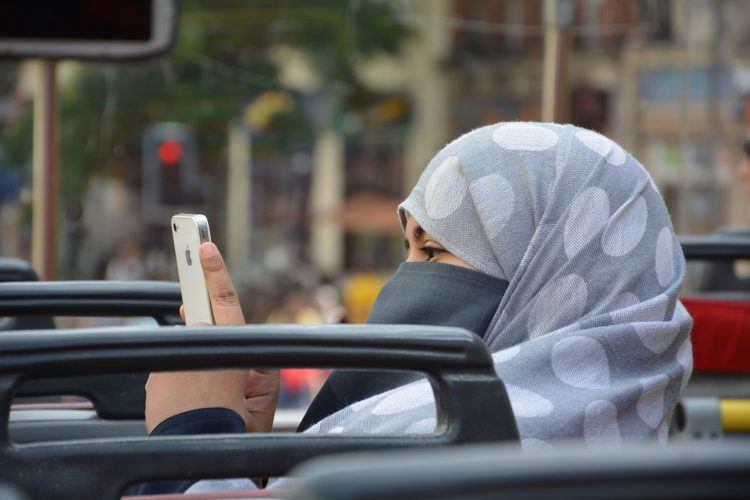
Photo credit: Dielmann.
The holy Islamic month of Ramadan plays a very significant role in the lives of Indonesians and those across Southeast Asia. And it is now increasingly affecting shopping behavior, especially on mobile.
Indonesia presents a lucrative opportunity during Ramadan. It is one of the largest smartphone markets in Southeast Asia, with over 55 million users. More than 60 percent of the country’s population own a smartphone and 17 percent access the internet from desktop. Moreover, the pre-Ramadan days are one of the busiest periods for online shopping, and this is why a lot of businesses jump into the opportunity.
In 2016, our clients at Glispa saw an increase of 214 percent in purchases during Ramadan compared to the prior month. But while interest in marketing around the season is very high, many businesses are unsure about the right mobile marketing strategies to implement and when to invest in these.
Data reaffirms that you should be prepared
To discover how Indonesian consumers behave during the holy month, we looked back on mobile advertising campaigns that we ran during last year’s Ramadan, which took place from June 6 to July 5. We compiled the data, covering the month before and the month of Ramadan itself, from our top mobile-commerce (m-commerce) clients and analyzed when they experienced significant peaks in app installs and in-app purchase rates.
What we found was that when it came to m-commerce, our clients saw a surge of installs in two particular periods: three weeks before Ramadan started and two weeks before the season ended. During the first peak, install rates were 47 percent higher than the average of the two-month period, including Ramadan and the month before. Shortly before the end of the season, installs were 40 percent higher than the average.
When it comes to fluctuations in spending, you may be surprised that m-commerce purchase rates do not increase toward the end of Ramadan when many Indonesians receive their Idul Fitri bonus, an annual holiday bonus from all employers that marks the end of the fasting month. By this time, it is logistically too late to deliver purchased items before the big celebration at the end of Ramadan.
Rather, our results reveal a sharp rise in purchase rates the week before Ramadan as well as during the second week of Ramadan: 50 percent and 42 percent higher than the average for the two-month period, respectively.
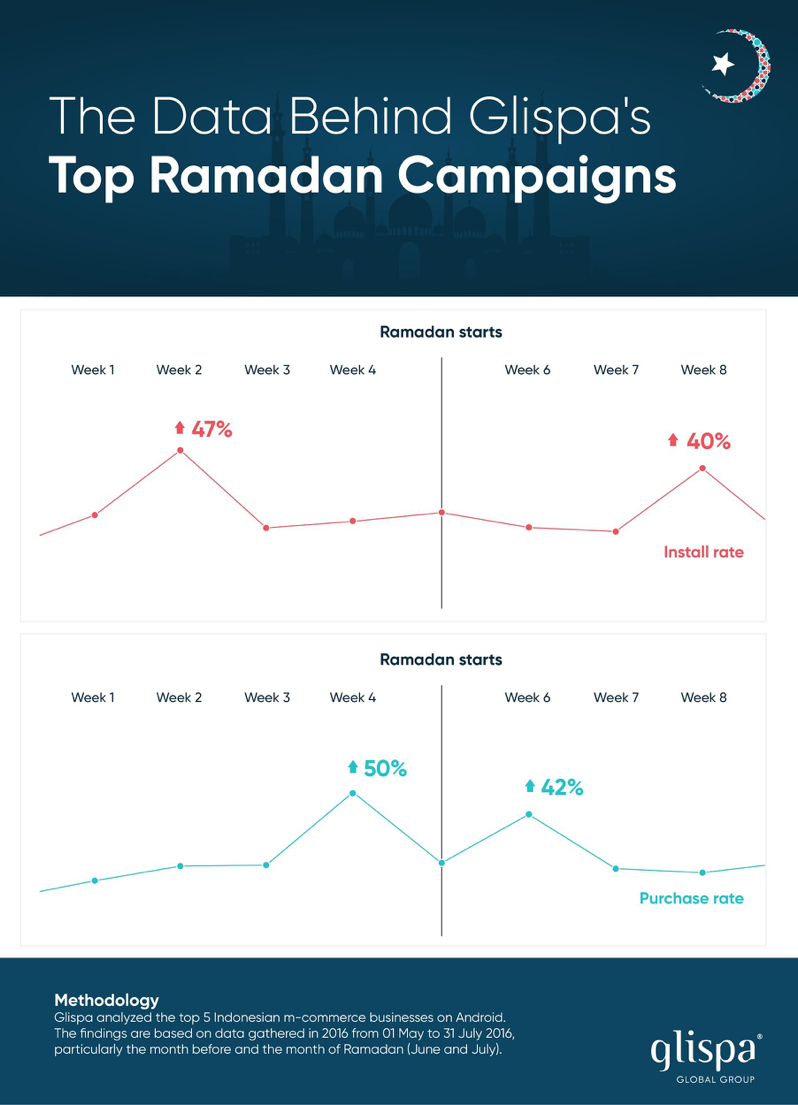
To illustrate why this is the case and how to take advantage of these upswings in installs and purchase rates, we have compiled our top three strategies revealing the best times to take advantage of the extraordinary increase in consumer spending during the season.
What to do
1. Start early
Advertisers should start early with awareness and burst campaigns to push their apps to the top ranks in the app stores. This is to secure access to coveted ad slots because competitors drive up cost-per-install (CPI) rates in the week before Ramadan.
It is also important to note that during the season, our data revealed an average buffer period of seven to 14 days from when an app is installed to when users make subsequent purchases. This means that these two activities are directly correlated and users take this time to consciously browse within the app before making a purchase.
Don’t miss out this year





Stay updated on the go with our mobile app.
Get latest insights with smoother, more personalized experience through TIA mobile app.