Jeffrey Towson · · 6 min read
Why Mobike and Ofo’s bikes are like ‘wolves in the wild’
In parts one and two, I argued that we were witnessing something new and powerful with bike-sharing companies in China. These companies and their presence in consumers’ lives have grown too fast.
My explanation for this is the assets-in-the-wild scenario, i.e. the ability of bike-sharing companies to release large numbers of mostly independent assets into the wild. These assets are then able to exist and sell products and services mostly on their own and in spaces outside of traditional offline or online retail.
My definition of a wild asset is the following:
- They can exist mostly on their own in the world or in a controlled environment (an office or a park). They don’t need much support or maintenance.
- They can market, sell, and deliver products or services mostly on their own. Their real power is that they are points of sale. Thus, they can sell in spaces that have never been “retail spaces” before (office hallways, subways, parks, and even the skies).
- They can be released in large numbers.
That’s my explanation for the startling power of bike-sharing. However, when you look at examples of existing and emerging wild assets, a few sets of questions pop up:
- How often does the asset need to be serviced or to come home? How frequently does it need to replenish inventory, to charge up its batteries, to get maintenance, etc.? And how rugged and durable is the asset?
- Does the asset market, sell, and deliver the product or service in the wild? These functions usually determine how complicated the asset is. Bicycles are a really nice example because they do all three things in a pretty simple way. But smart vending machines and check-out free convenience stores are points of sale systems only and need their inventory to be replenished.
- Is the asset stationary, mobile but requiring direction, or independently mobile? Vending machines are stationary. Bicycles are mobile but get their direction from the user. Autonomous taxis are going to be very mobile but will require directions when not in use. The asset’s mobility matters.
The economics of the asset tends to follow the above questions. Just to make things simple, I’ll explain these in terms of house cats vs wolves.
House cats vs wolves
House cats
House cats mostly live in homes and backyards and get their food at home every day. They’re not great at surviving on the streets on their own (raccoons tend to eat them).
I use “house cats” as a description of wild assets you would mostly release in offices, shopping malls, universities, homes, and local neighborhoods. These are assets that need a boundary or some degree of protection or support, often needing a lot of support (new inventories, recharges, or a launching/maintenance pad).
A lot of new retail systems are close to this. For example:
- The new smart vending machines by companies like Citybox are somewhat independent. These small staff-less convenience kiosks are being placed in offices and business parks and are delivering things like snacks and fresh fruits. But they are stationary and need a lot of support.
- The new check-out free convenience stores being deployed by companies like Bingobox and Guoxiaomei are also not mobile and require restocking and electricity.
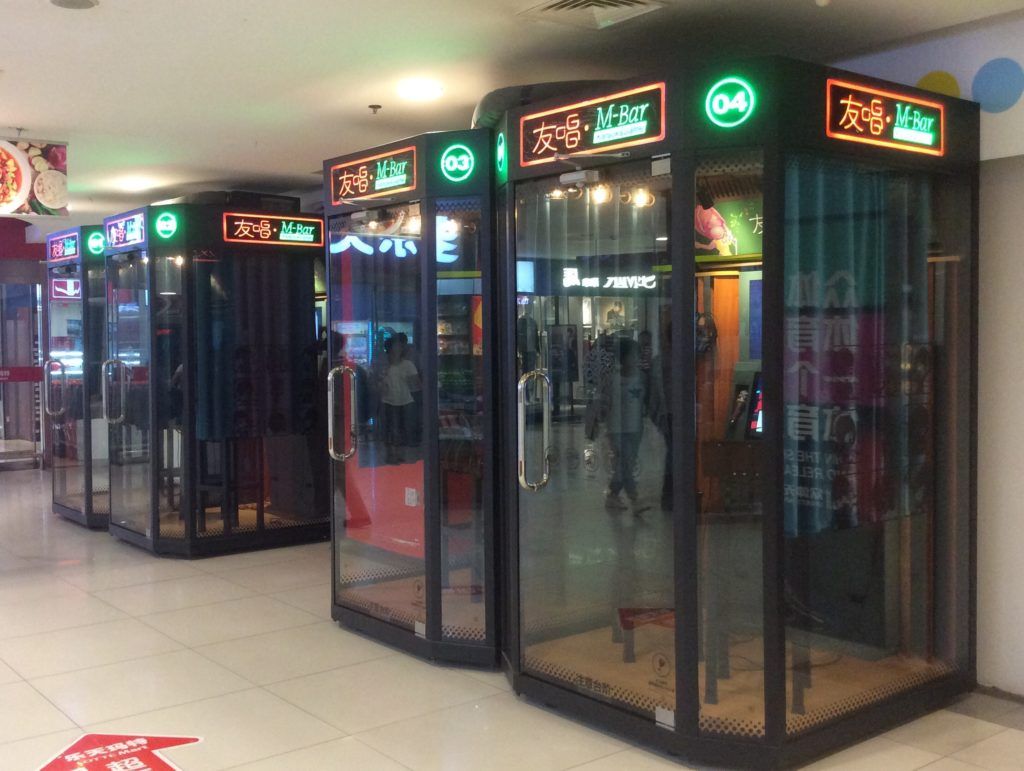
- We are increasingly seeing smart vending machines for new niche products and services such as high-tech coffee machines, fresh squeezed orange juice machines, video games, and standalone karaoke kiosks.
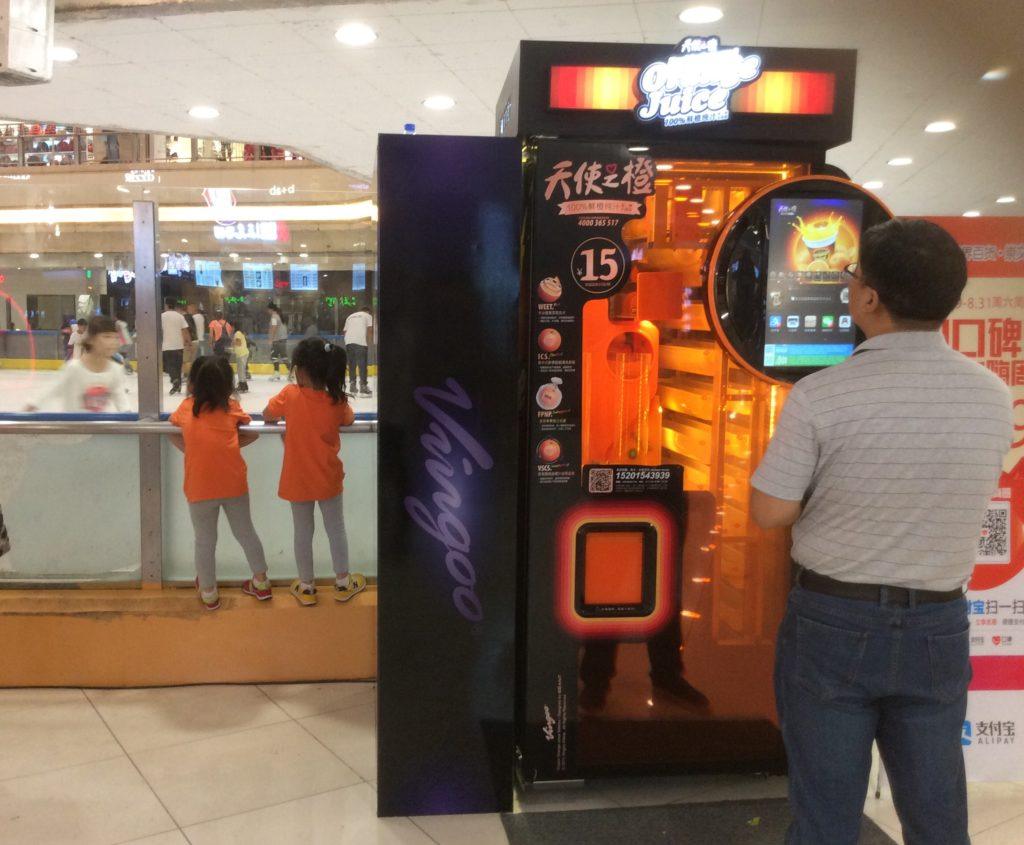
A father buys from a new orange juice machine while his daughters wait.
Capital costs vs operating costs





Stay updated on the go with our mobile app.
Get latest insights with smoother, more personalized experience through TIA mobile app.