Jeffrey Towson · · 7 min read
Analyzing Chinese bike-sharing: What makes it so powerful?
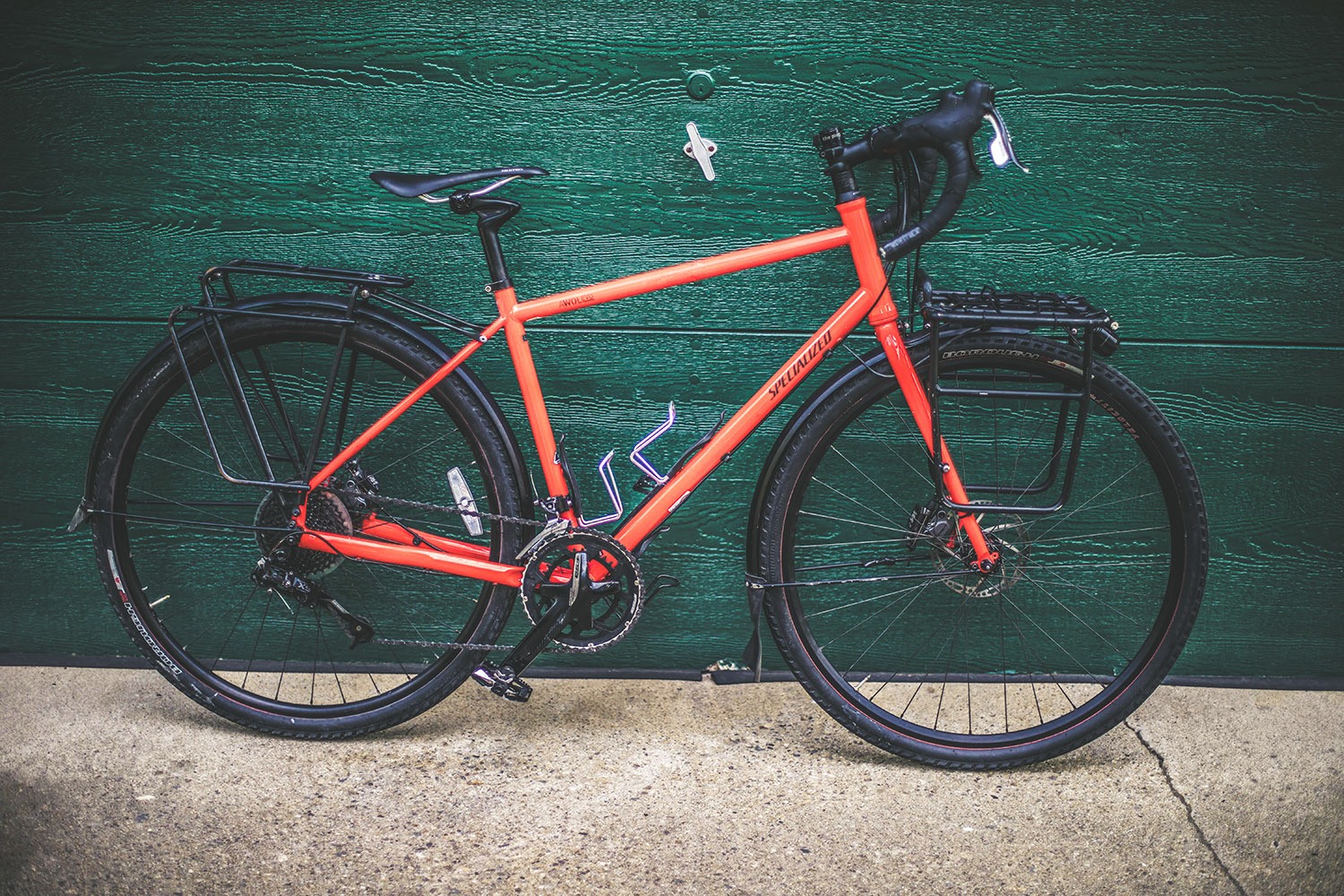
Photo credit: Derek Thomson.
Whenever I see a small company having a startlingly large impact on the world, I look for an engine. I look for something that is amplifying what a relatively small number of people are doing. For example, the engine that rocketed Facebook and WeChat upward was the economics and psychology of social media and viral marketing. The engine that powered Macau to become five times that of Las Vegas in a few years was the psychology of gambling and the 1.4 billion Chinese consumers.
So, what is the engine that explains the meteoric rise of Chinese bike-sharing this past year? How did these small companies go from startups to global operators so fast?
This four-part series is my explanation of what I think is the new and important engine behind Chinese bike-sharing: a term called “assets in the wild.” I think this all started on December 7, 2015.
The first day of operations at Mobike
December 7, 2015 was the first day that Mobike placed its bicycles on the streets of Shanghai. The then small team led by the company’s co-founder Hu Weiwei assembled their first bicycles in their office, installing smart locks and solar panels. They then placed about 50 of these bikes in a few strategic locations around Shanghai, left them on the sidewalk, and drove away.
Many on the team worried the bikes would just disappear, sit there on the sidewalk unused, or be damaged and looted for parts. But Hu was confident that it would be OK.
Over the next day, they tracked the bikes via GPS. Some staff drove by just to see if the bikes were still there. And sure enough, the bikes didn’t disappear. Some had even started to move around as people downloaded the app and tried using them for the first time. Dozens of users signed up. The whole crazy idea of just leaving bikes on the street seemed somewhat validated.
And it was a crazy idea. Think about it for a moment. Think about designing a new product, loading it on a truck, driving it downtown, and then just leaving it on the sidewalk and driving away. What business has ever done that before? The bikes weren’t secured like park benches, chained down like vending machines and post office boxes, and pulled back into the store every night like tables at Starbucks. They were just left out on the sidewalk permanently like they had been released into the wild.
And I think that is the right analogy for this. Mobike took an asset, gave it a certain amount of intelligence, and then released it into the wild to survive on its own.
The company’s bikes were designed to be used for three to four years without any maintenance. They were designed to exist entirely out in the wild and to just sort of move around on their own. Each day, a bike can be on a different street or in a different part of town—rain, snow, sun, and so on don’t matter.
Take a look at the below video that shows the life of one of the first Mobikes over the course of a year.
The bike in this video was unlocked by 1,975 different users and made 2,021 trips (some users rode the same bike more than once) in a year. It clocked 4,850km, moving across virtually all of Shanghai.
Don’t gloss over how strange all this is. Consumer products and services are normally sold in stores or online. Products and services don’t just exist outside on their own and then sell themselves as they randomly move around the streets, sidewalks, parks, and so on.
What are wild assets?
Assets in the wild can be particularly powerful





Stay updated on the go with our mobile app.
Get latest insights with smoother, more personalized experience through TIA mobile app.