- Insights This article was written by a TIA community member. Insights pieces undergo the same rigorous editorial process that newsroom-produced articles have.
 Sean Allan · · 5 min read
Cybersecurity in Thailand worsens, firms lose up to $100m, reports show

Photo credit: Raedon.
Every year for the past two decades, incidents of cybercrime have increased worldwide. Recent studies expect this trend to continue, with cybersecurity costs set to double to US$6 trillion by 2021. While most internet users are actually in Asia, research has been virtually conducted on data collected exclusively from English-speaking countries.
Although Thailand is one of the fastest-growing regions in the world in terms of internet usage, lack of education on the pitfalls, prevention, and protocols, and outdated technologies lead to an increased risk of malware infection.
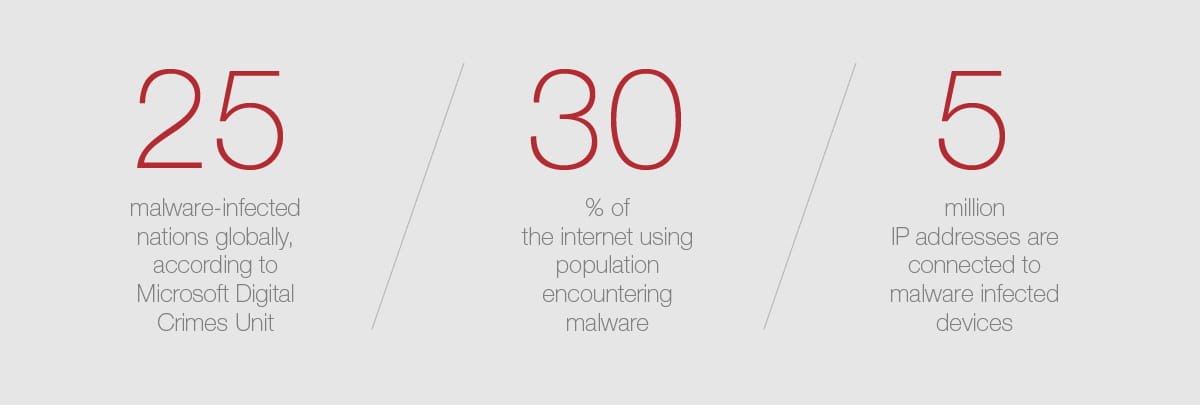
These issues leave Thailand among the top 25 malware-infected nations globally, per Microsoft Digital Crimes Unit. With around 30 percent of internet users in Thailand encountering malware, and an infection rate of 25 percent, over 5 million IP addresses are connected to malware infected devices.
A 2016 study by BitDefender found that Thailand ranks 5th in Asia and 11th globally among countries with the highest risk of cybersecurity threats. Thailand’s ranking was surpassed by four other countries in Asia—India, Indonesia, China, and Vietnam.
Thailand also consistently belongs to the top 10 countries that host phishing-based Trojans and downloaders. It is also in the list of top 20 countries with the greatest risk of malware infection (33 percent).
Why Thailand is at risk
Cybercriminals are aware of the lax security protocol in the country. In 2015, Thailand became the world’s second top target for cybercrime, according to Allianz Global. Nearly 20 percent of Thailand’s cybercrime victims reported losses of over US$100,000 and 4 percent reported losses of between US$1 million and US$100 million. Almost 40 percent of SET-listed companies were victims of fraud in 2016, mostly perpetrated by external hackers and rogue employees.
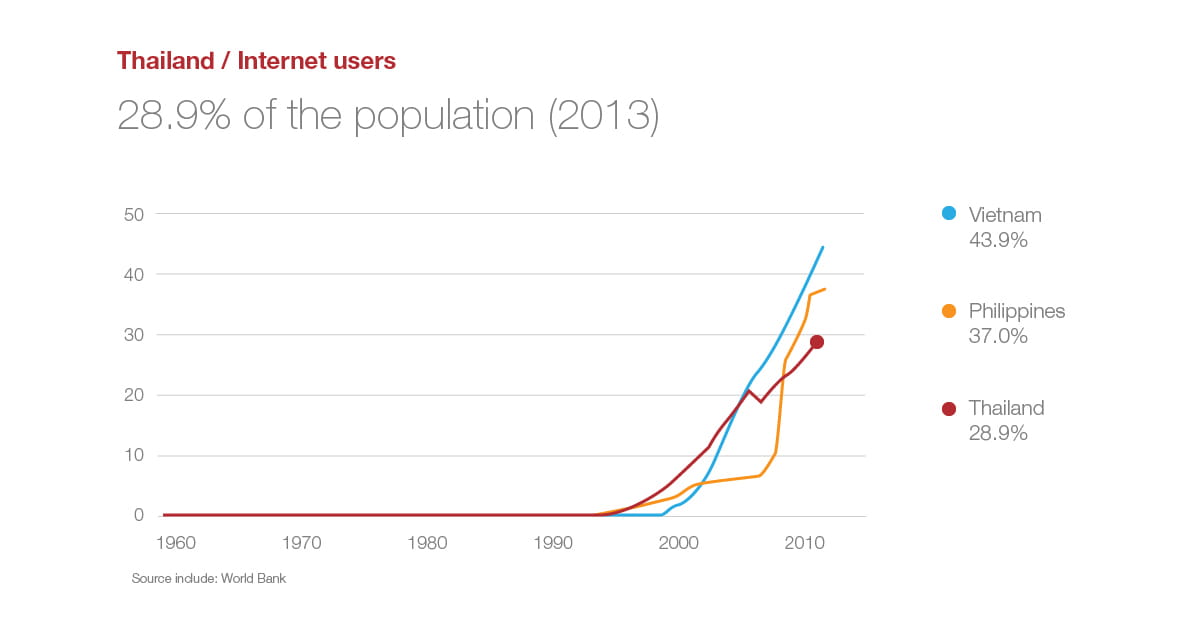
Thailand’s internet usage is exploding, growing rapidly from 3.7 percent in 2000 to 30 percent in 2013. More recent studies indicate a growth of around 60 percent or more, and with the expansion of 4G technology, this trend is set to continue. But as Thailand becomes more connected, organizations and individuals are going to become increasingly vulnerable to exploitation by cybercriminals.
Mobile proliferation is at 110 percent in the country, with more phones than people. Attacks, therefore, on Android phones are expected to rise given the OS’ vulnerability.
Malware rates in Thailand
ATM malware





Stay updated on the go with our mobile app.
Get latest insights with smoother, more personalized experience through TIA mobile app.











📅 Upcoming Events
22 October 2026
Payoneer x CSPN Summit 2026