- Insights This article was written by a TIA community member. Insights pieces undergo the same rigorous editorial process that newsroom-produced articles have.
 Jaclyn Tiu · · 5 min read
Investors share their predictions on agtech and its bottlenecks
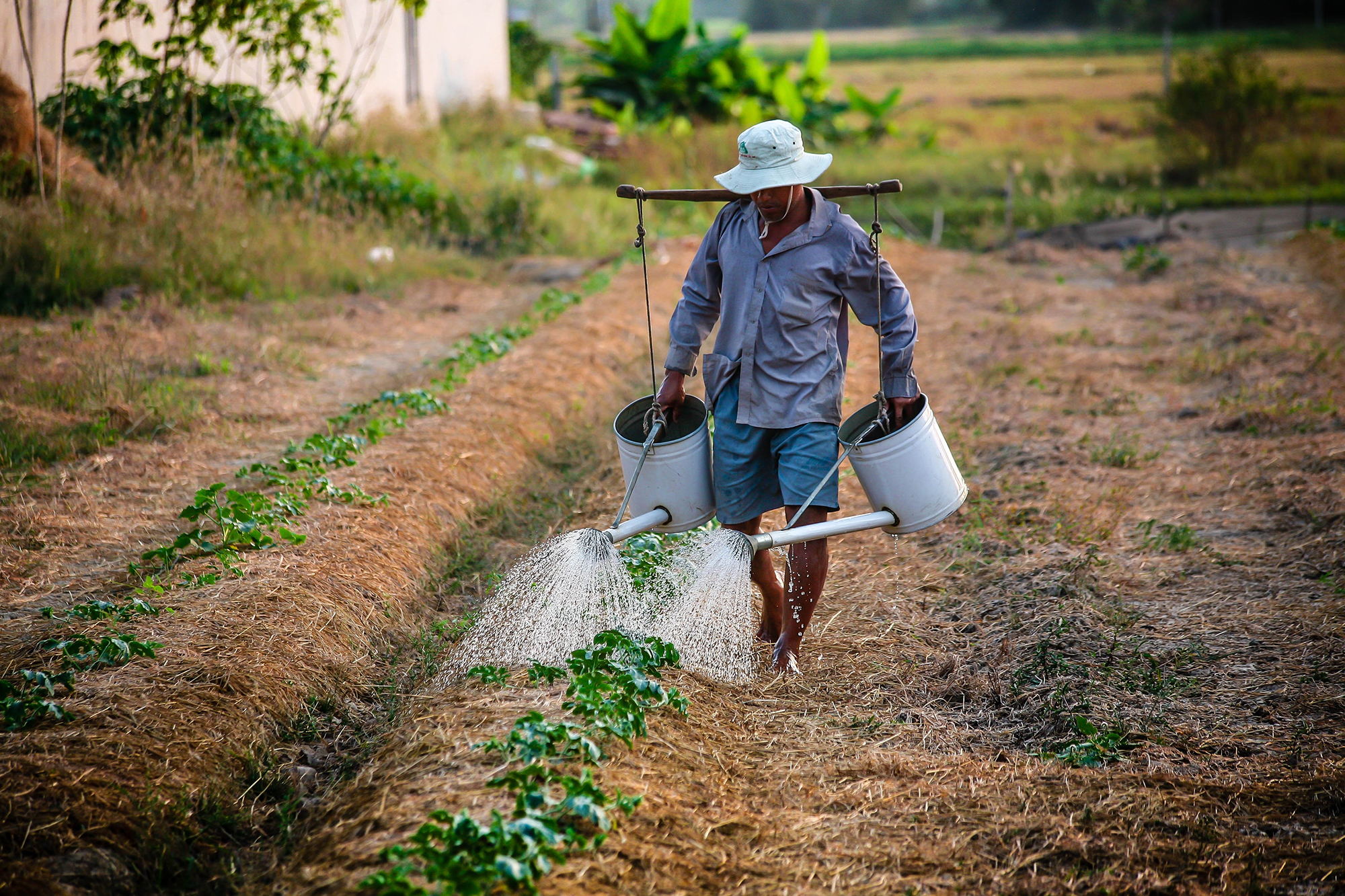
Photo credit: nguyenkhacqui
This is a Discuss post, where we feature short but insightful opinions from the Asian tech community on startup, entrepreneurship, and tech topics. Got a topic or question to suggest? Drop us an email or leave a comment.
Last year was a good year for agtech. The sector saw a 29 percent increase in year-over-year funding, netting over US$10 billion. And last week, we saw Bill Gates invest US$14 million into a Bangalore-based agtech platform. But does this signal a longer-term trend? What can we expect from the industry?
We asked three investors for their thoughts.

Nikhil Kapur, principal at Gree Ventures
As I mentioned in another article, we are bullish on this sector and are actively investing in it. The reason is quite simple: it’s a large addressable market coupled with deep mobile and internet penetration.
Even just two to three years ago, we would not have expected the average farmer in Indonesia/India/Thailand to even have proper mobile facility. Now, that same farmer is watching videos on his smartphone even as the telcos are scaling their 4G networks. It’s high time we put this asset to use toward constructive use cases.
The challenges
- Farmer adoption to technology: Farmers are simple people, and they understand ROI/increased revenue and margins quickly. But if you come to them with something like an AI, IoT, or blockchain-powered platform that does soil composition analysis, then you are going to face a brick wall.
- Mafia: In most emerging markets, agriculture supply chains are controlled by mafia (not kidding), and when you try to disintermediate them, things won’t be pretty (our founders still recount horror stories of their early days). But if you find a way to work with them in a mutually beneficial way, then you can leverage a powerful existing asset.
- Margin and operations: Agriculture is a tight margin business (on absolute basis) and is operations-heavy. Hence, finding the right scalable, asset-light, and touch-light business model while making significant margins as a solution/service provider is a tightrope that startups need to learn to walk from day one.
Three verticals
For Gree Ventures, we internally split this sector into three major buckets from a “lab to fork” value chain perspective:
- Lab: Where product innovation happens (e.g. high yield crops, insect products, and food substitutes).
- Farm: Where yield improvement happens (e.g. farm management through IoT and data analytics, farmer financing, and input supply chain management).
- Fork: Where efficiency is increased (e.g. disintermediation in output supply chain, logistics optimization, and food safety through blockchain).
Let’s discuss





Stay updated on the go with our mobile app.
Get latest insights with smoother, more personalized experience through TIA mobile app.











📅 Upcoming Events
22 October 2026
Payoneer x CSPN Summit 2026