Being an early stage investor is now a status symbol. For individuals, funds and companies. Unfortunately, not everyone should be an early stage investor focused on the seed stage.
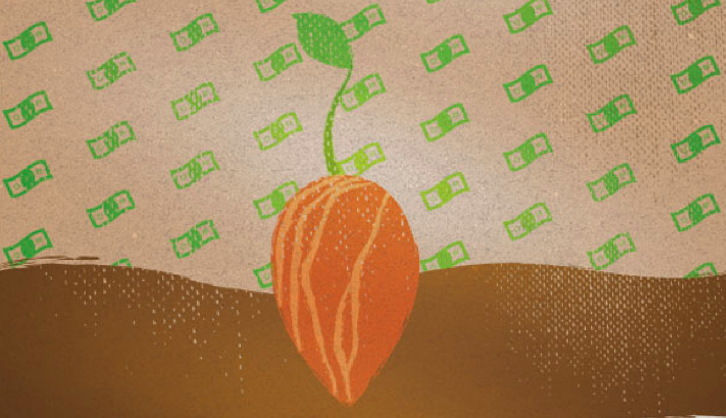
Key considerations before being an early stage investor
How much time do you really have?
This should be the first question for everyone, from small angel investors all the way up to large corporates. No matter how much money you have, your main constraint is actually time. The most common feedback from people who have just started to invest in early stage companies is that the time commitment was beyond their expectations.
Every single investment made takes significant time, both in terms of due diligence before the investment and, more importantly, support after the investment. To build a successful early stage portfolio, diversification helps because of power laws, and investors are advised to make at least 15 investments, and probably even closer to 30.
In addition, to even find a single investment, most investors should first look at 100 potential companies. When you multiply the time commitment through that funnel, it suddenly starts to look like a full time job for one or more people.
Where should you focus your investments?
Early stage investors traditionally tend to focus their investments in a certain geographical location.
The upside of this philosophy is the close contact with the founding team. The downside is that your universe of opportunities would be reduced significantly and you might lose the broader perspective of what is happening in other markets. In today’s world, not having a global perspective is a competitive disadvantage.
Some investors, including ourselves, take a cross-border approach. While this provides a significantly larger universe of opportunities and a more diverse perspective, it is extremely difficult for most people to execute this in practice. You need a team that is comfortable across both physical distance and cultural differences. Most early stage investors are actually better off partnering with someone who knows how to do this rather than trying to replicate this skill set in house; it is not easy.
Who is in your network?
Clearly, the quality of your network will be a key driver of both your investment opportunities and the value you can provide after making the investment.
The ideal network is diverse.
In the past, having a network of strong connections to people in high places was the ideal. Access to these people by itself was a key asset. As the cost of building an early stage startup has collapsed, the doors for everyone else have opened up. Knowing people in power will always be valuable, but it is not the most important feature of a network anymore.
Indeed, we need more early stage investors





Stay updated on the go with our mobile app.
Get latest insights with smoother, more personalized experience through TIA mobile app.












📅 Upcoming Events
22 October 2026
Payoneer x CSPN Summit 2026