- Insights This article was written by a TIA community member. Insights pieces undergo the same rigorous editorial process that newsroom-produced articles have.
 Jagrat Desai · · 4 min read
How to decide what type of bot to build for your business
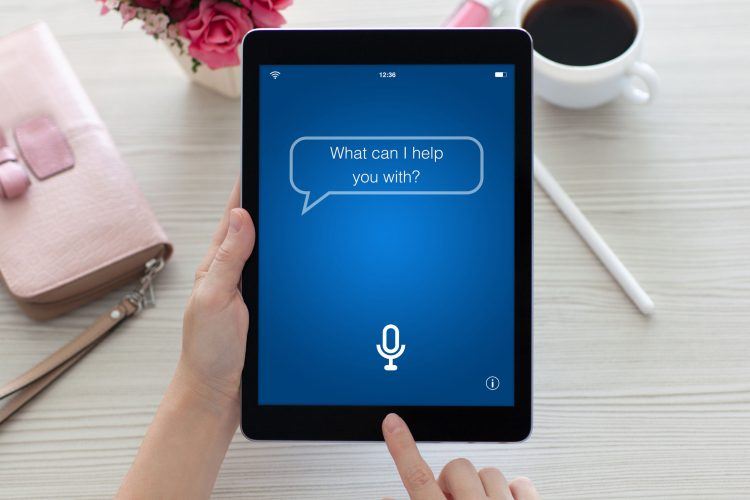
Photo credit: prykhodov / 123RF
When building a bot, picking the right medium to convey your company’s voice is the first decision you need to make. Instead of simply reacting to market hype, understanding the strengths and weaknesses of each medium (voice, chat, or both) will give you the necessary insight to build the best experience for your user.
We’ve designed conversational experiences for 50+ clients. So, here’s our advice on how to choose between a voice bot or a text-based bot.
Some basic definitions
For the sake of clarity, here’s how we define a few key terms:
Chatbot – a conversational interface (either voice or text) that enables people to interact with computer programs to get something done. If you’re interested, you may check out our chatbot dictionary here.
Text-based bot – a type of chatbot where the primary mode of communication is texting or chatting.
Voice bot – a type of chatbot where the primary mode of communication is voice (e.g. Amazon Echo). For a detailed primer on voice bots, read the story of how we built our first voice bot.
Define the UX before deciding the medium
To understand how user experience defines products, let’s take a food-ordering chatbot as an example.
Using your voice to order food seems very convenient and natural. But if you look closely, you’d realize that it’s only convenient when repeating a previous order. You can simply ask Alexa to open the restaurant’s app (say Dominos) and say, “Repeat past order.”
But if you need the bot to dictate the menu before you can place an order, it may be quite ineffective. First, it’s more cumbersome to listen to a menu than glance through it. You’ll also likely forget some of the items even before the bot finishes reading the menu. Second, voice recognition does not understand a lot of food names, especially ethnic ones.
But if you send the images of a restaurant’s menu over chat, the user can take their time, weigh their options, and pick a dish more comfortably.
Picking a medium that fits your bot’s use case is really about understanding its strengths and weaknesses. But before you get to that, here are the few basic questions to answer:
- Who are your users?
- What is their goal?
- What is your business goal?
- Where do these goals overlap?
3 guiding principles
1. Volume of information transmission: glancing vs listening vs reading
So, which type of bot should you build for your business?





Stay updated on the go with our mobile app.
Get latest insights with smoother, more personalized experience through TIA mobile app.