 Erik Crouch · · 5 min read
Cheaper, faster, bigger: Didi Kuaidi’s roadmap for the years to come
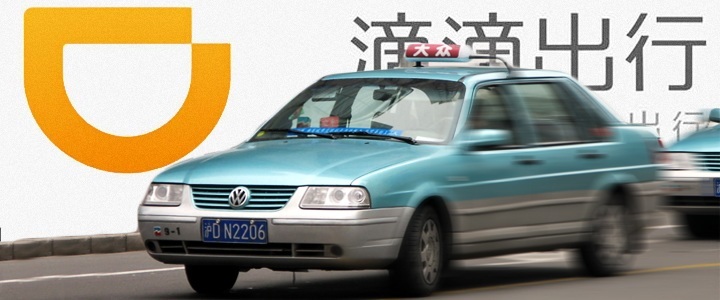
This year has been a big one for Didi Kuaidi. The Chinese ride-hailing company was formed in February, the result of a merger between the two biggest rivals in the taxi app business. Backed by both Alibaba and Tencent, it has since expanded into peer-to-peer rides, carpooling, bus services, and more.
When it comes to talking about the future, Didi Kuaidi is a bit cagier than its rivals in the west. While Uber employees have no qualms about painting utopian pictures of self-driving cars purring around the streets of San Francisco, Didi Kuaidi’s predictions tend to focus more on trends and investment strategies – not that that’s necessarily a bad thing.
Tech in Asia recently sat down with Stephen Zhu, Didi Kuaidi’s vice president for strategic development, to try and tease out some hints about the company’s future plans.
Consolidating power in China

Didi Kuaidi VP Stephen Zhu
“From the lowest price point – the bus – to Hitch, to Didi Express, to taxis, to Didi Black and [our upcoming] luxury brand, all of these product lines can already solve 70 percent of consumer transportation within cities,” says Stephen. “So a lot of the focus now is vertically. How can we make the service cheaper, more efficient, faster, and better?”
Didi Kuaidi has a strong presence in China’s urban areas, with programs set up in more than 350 cities. But smaller cities have fewer cabbies and drivers, and therefore slower, less reliable service. In the years to come, Didi is aiming to expand its reach into China’s third- and fourth-tier cities.
“We have to drive the penetration, in terms of how many drivers you have in each city, and what is the ETA for you in those smaller cities,” says Stephen. “If you have fewer cars, the estimated time of arrival tends to be longer, so we need to drive the penetration deeper in small cities. In large cities, though, we are pretty well covered.”
Expanding while not expanding
Unlike Uber, Didi Kuaidi has not expanded its service outside of its home country, and hasn’t set up offices abroad. Instead, through a number of investments in Uber competitors like Lyft, Ola, and Grabtaxi, the company has expanded its power and influence without undertaking the expensive and complex process of setting up shop in other countries.
“In each region, you have different users, different drivers, a different regulatory regime,” says Stephen. “So we go with a local champion that knows the market much better.”
Didi Kuaidi’s investments in these companies are more complicated than simple monetary transactions. They also involve sharing technological and logistical data between the companies – Didi Kuaidi was quick to point out that private user data is not shared – in an attempt to give each company an advantage.
“We work together and we can share experiences in terms of technology, deep learning, product innovation, and operations. We can speed each other up,” says Stephen. “We are thinking about sharing a lot of the learnings we have in China to other markets like Southeast Asia and India.”
Bigger than big data
The next steps?





Stay updated on the go with our mobile app.
Get latest insights with smoother, more personalized experience through TIA mobile app.








📅 Upcoming Events
22 October 2026
Payoneer x CSPN Summit 2026