A good JRPG is a piece of art. It contains a beautifully crafted story fitted with skillfully designed and animated characters. To say it is anything less is an insult to all who worked on the game. Like all art though, JRPGs are heavily influenced by the culture they are produced in: Japan.
Now what is Japanese culture? I honestly haven’t the foggiest idea. The topic is so big, confusing, and at points disturbing that I’d prefer to narrow the focus down to four points that everyone should know to better understand and enjoy JRPGs.
Symbolism everywhere
Japanese people are known for being indirect. It’s in their blood. When you talk face to face, a simple criticism can turn into a lengthy conversation that no one wants. But when they have an artistic medium like a video game to work with, you had better be sure that they are going to use an abundance of symbolism to drive home their points.

Take Persona 4 for instance. Each one of the characters has a set Persona that they obtain only after they confront their true selves. Have you ever really stopped and looked at the Personas? Yukiko, for example, is feeling trapped by her family’s business and at first wants out. So what does Yukiko’s first Persona have? A caged bird. Not exactly subtle, but certainly symbolic of her true feelings.
Every single JRPG you come across will have loads of symbolism everywhere you look. Understanding the meaning behind the symbols will only add depth to the game and help you appreciate the JRPG even more.
Names have power
If you happen across a JRPG that uses Japanese names for the characters, you can be sure that there is some sort of meaning behind all of them. Sometimes they are simply used for description, like with Pikachu, which means sparkly mouse. Other times the names serve to give insight into the characters personality and characteristics.
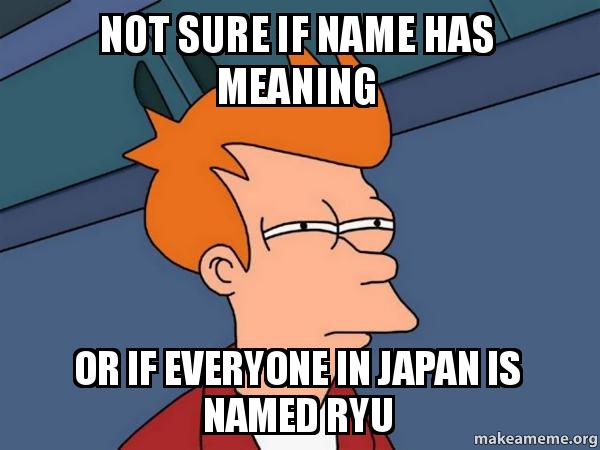
Look at Ryu from Street Fighter or Ryu from Ninja Gaiden or Ryu from any game for that matter. The name Ryu, meaning dragon, is typically given to show that the character is powerful, steadfast, and heroic. Often times the names might not have any literal meaning but will be references to characters of legends. Knowing both the language and the legends would certainly help in understanding the characters, but that’s a lot of work. So just do a quick Google search instead, there is bound to be a Wiki.
Religious context
As I mentioned earlier, understanding the names will help you to understand the character and their attributes. You will see names like Amaterasu (god of the sun), Fujin (god of wind), and Raijin (god of lightning) pop up in all kinds of games, and these characters will always use the elements associated with the god from which their name is derived.





Stay updated on the go with our mobile app.
Get latest insights with smoother, more personalized experience through TIA mobile app.