This article is a part of Startup Spotlight, a series that features young, up-and-coming startups.
Made by Arsal Ysfin/Tech in Asia with the help of AI
Randy Aries Saputra was building an app that used over 70 different generative AI models, but he spent more time managing messy, unreliable infrastructure than building the product. So he decided to solve the underlying problem instead, which led to the creation of BabySea.
😟 Problem
Developers building with generative AI face a fragmented system. Each AI provider uses a different API, and models behave inconsistently. This forces teams to rewrite code and handle unpredictable failures in production.
Many developers build their own complex systems for retries, failover, and monitoring. As the number of AI models grows, this problem gets worse, discouraging teams from using multiple providers and creating risk.
💡 Solution
BabySea turns fragmented AI model execution into a single, reliable system. It offers one consistent API for all generative AI requests, translating them for each specific model behind the scenes. The platform also manages reliability in production.
If a provider fails or slows down, BabySea automatically reroutes requests to a healthy alternative. This allows developers to focus on their products instead of managing infrastructure, including:
- Integrate once instead of managing multiple APIs
- Switch or combine models without changing code
- Maintain uptime with automatic failover
- Understand performance and cost for every request
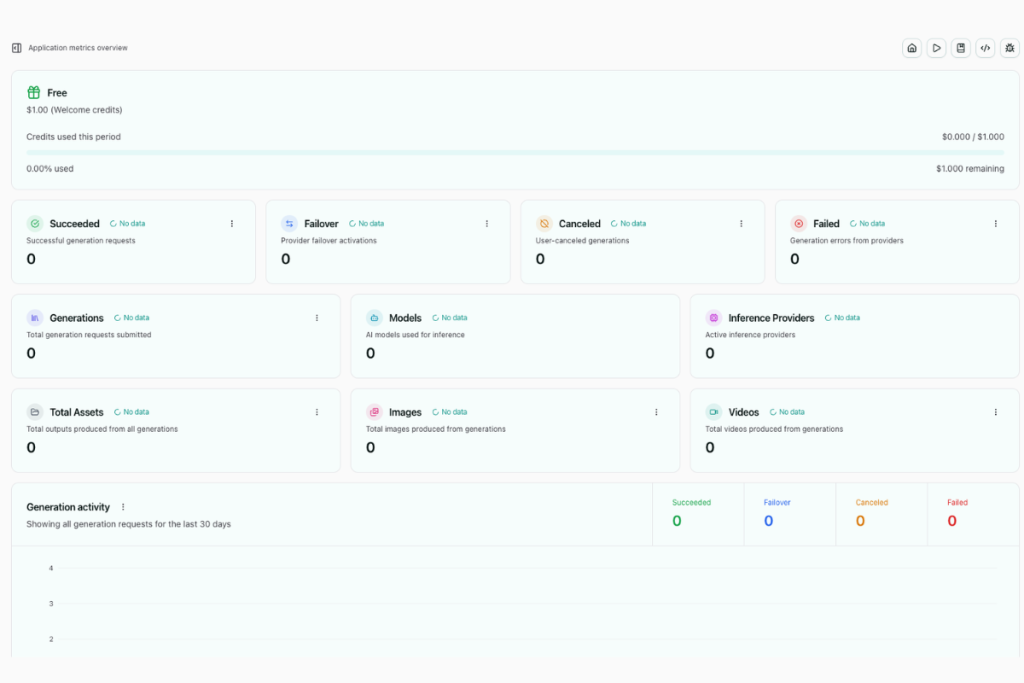
Photo credit: BabySea
📊 Market size
The AI infrastructure market is projected to grow from roughly US$135 billion in 2024 to nearly US$394 billion by 2030. This growth is driven by the rising demand for real-time AI inference.
BabySea’s initial target market includes 100,000 to 500,000 developers and startups actively building with generative media. Based on early usage, the company estimates an average annual revenue per customer of US$1,000 to US$5,000.
🤝 Team
Randy Aries Saputra. Founder and CEO. He has independently built the core platform and secured early partnerships.
🚀 Traction
- Early access launched on March 27, 2026, supporting workloads across seven inference providers and 79 models
- Accepted into ecosystem programs with Cloudflare, Databricks, OpenAI, and Alibaba Cloud
- Enterprise partnership with BytePlus
🏆 Competition
💰 Financials
🚩 Risks





Stay updated on the go with our mobile app.
Get latest insights with smoother, more personalized experience through TIA mobile app.









📅 Upcoming Events
22 October 2026
Payoneer x CSPN Summit 2026