- Insights This article was written by a TIA community member. Insights pieces undergo the same rigorous editorial process that newsroom-produced articles have.
 Daniel Song · · 5 min read
83% of funding in SEA went to Grab, Go-Jek, Sea, and Lazada. Here’s what it means
This article is from an episode on Asia VC Cast hosted by Daniel Song. This is heavily revised from the original show transcript. For the full interview, go here.
Dmitry Levit is the founder of Cento Ventures, whose portfolio companies include Jirnexu, Kalibrr, Grain, and iPrice. He is responsible for overseeing all investments and fund activities in Southeast Asia.
Here, Levit discussed some key insights from Cento’s Southeast Asia Tech Investment report for the first quarter of 2018.
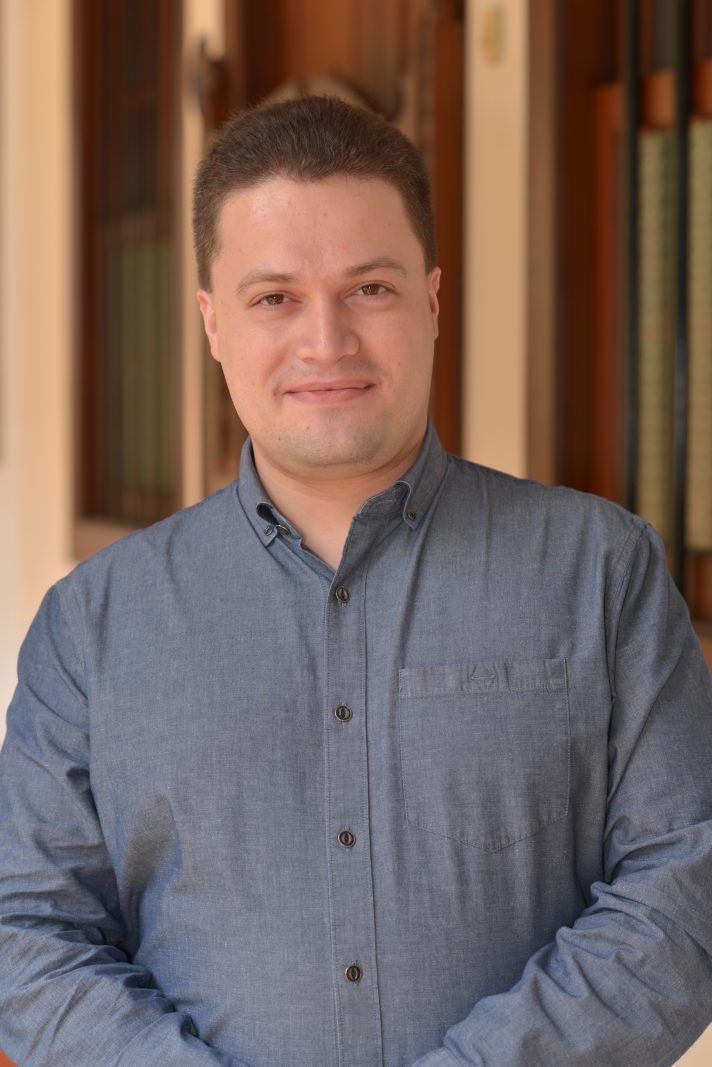
Dmitry Levit, founder of Cento Ventures
Tell us about your background and how you came to found Cento Ventures.
I’m originally from Russia. My early career was in cosmetics, then I ended up in systems integration. I found my way to Singapore in 2005 when I joined INSEAD’s local campus.
In 2010, I was on my own, doing a bunch of projects for various Singapore companies. I also spent some time in Indonesia where conglomerates were just starting to wake up to this whole tech thing. In 2011, I came to a conclusion that I really like Southeast Asia, considering its technology market potential, which was astonishingly overlooked.
If you know how things will likely develop in the future, you have a bit of an edge in investing. So I met with some of my friends, and even though we come from completely different backgrounds, we have the same set of beliefs as to how to go about investing in Southeast Asia. That was the genesis of Cento.
How do you go about creating the Southeast Asia Tech Investment report?
It’s actually an internal exercise which we’ve been running since 2011 because we were just completely lost in the noise as to what is happening. There was like a cognitive dissonance between what the press reports and what we see on the ground.
So, we started filing and tagging every single transaction, tracking down the principles behind those transactions, and getting their stories. Five years later, I think we got ourselves at least the beginnings of a proper data set from which to derive conclusions.
Based on the report, 83 percent of funding in the first quarter of 2018 went to Grab, Go-Jek, Sea, and Lazada. Is this a concern or a positive sign for the ecosystem?
That’s a multilayered question. From the perspective of a state or an international development organization, any amount of money going into tech is an ultimate good in the long run. It creates developers, provides incentives for the ecosystem to grow, and expands the pie for everybody.
In the mid term or on a human scale, this heavy focus of capital on not only a few companies but also specific verticals makes the ecosystem fragile. This is because all of these four businesses – outside Sea Group’s very underappreciated gaming business – are massively unprofitable. And they’ll carry on being so for a duration – give or take an occasional profitable food delivery operation.





Stay updated on the go with our mobile app.
Get latest insights with smoother, more personalized experience through TIA mobile app.










📅 Upcoming Events
22 October 2026
Payoneer x CSPN Summit 2026