- Premium Content It takes our newsroom weeks - if not months - to investigate and produce stories for our premium content. You can’t find them anywhere else.
 Aditya Hadi Pratama · · 11 min read
These startups could unlock ecommerce’s true potential in Indonesia
Many ecommerce platforms have hit a wall in Indonesia. Despite billions in US dollars in investments, traditional ecommerce players like Tokopedia and Shopee have a long way to go to win over the rural population. While people in Greater Jakarta are spending a third of their household expenditure online, those who live far from the country’s capital are still reluctant to do that, according to data from the Indonesian government and Google’s eConomy report.
| Greater Jakarta | Other cities | |
| Total yearly consumption per capita | US$1,618 | US$773 |
| Online yearly consumption per capita | US$555 | US$103 |
| Offline yearly consumption per capita | US$1063 | US$670 |
| Online – offline consumption ratio | 1 : 1.9 | 1 : 6.5 |
| Total yearly consumption | US$56.6B | US$181.7B (3x Greater Jakarta) |
Why do people in the countryside still prefer offline transactions? Rusli Abdullah, a researcher at the Institute for Development of Economics and Finance cites two reasons: lack of internet access and limited payment options. Only 22% of rural residents in Indonesia have internet access, including Facebook, Twitter, and WhatsApp, he says. And of those with access, only 42% of them have a bank account.
“Meanwhile, ecommerce transactions usually require people to deposit money in a bank account or mobile payment first,” adds Abdullah.
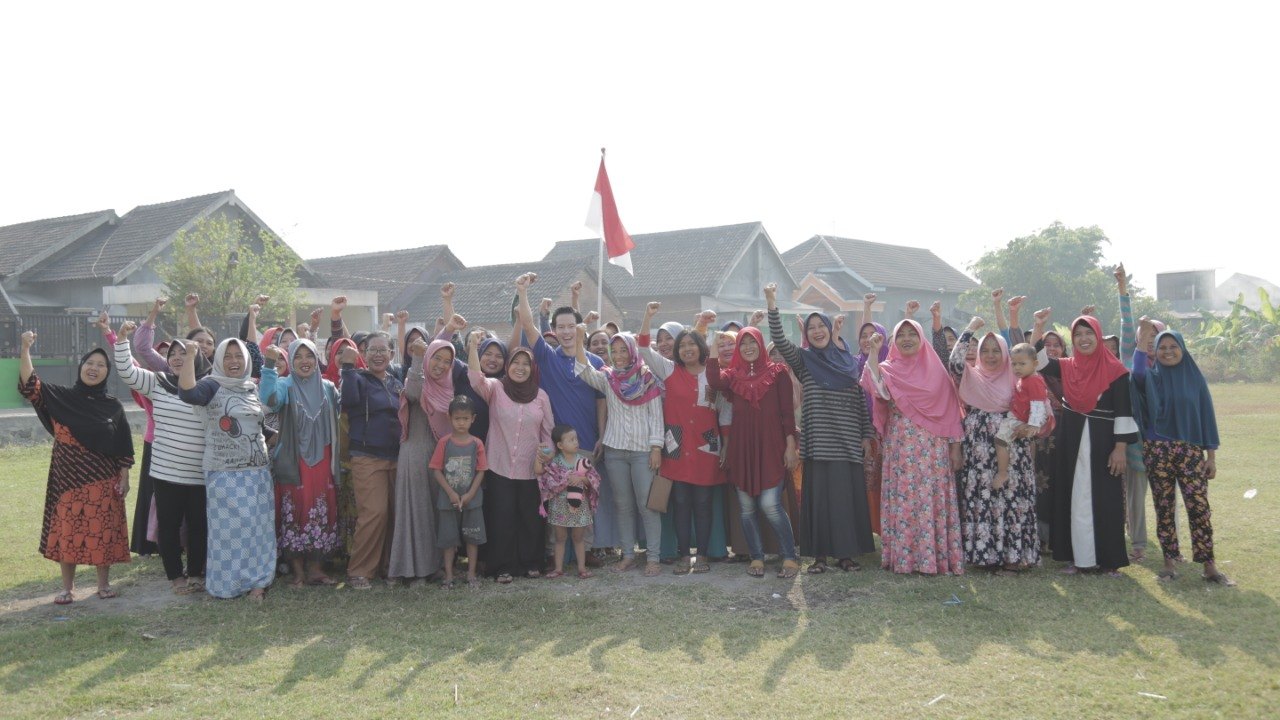
Social commerce agents in a local community / Photo credit: Super
Even if rural people have bank accounts or can do mobile payments, their funds might be low because most of them sell agriculture products and have irregular daily or weekly income.
“That’s why they still prefer offline transactions and payment in cash – they only have to pay when the goods are there. It’s really different [from] private or public employees who have a monthly income and are less reluctant to deposit money,” Abdullah explains.
Despite these challenges and logistics-related issues, a prominent venture capitalist in Indonesia thinks that it’s only a matter of time before traditional ecommerce reaches the countryside and people’s behavior “will shift.”
See: Indonesia’s stunning growth doesn’t tell the full story
Marketing through agents
Offering cheaper prices
Efficient logistics
Choosing the right products
Stay ahead in Asia’s tech landscape
This is premium content. Subscribe to read the full story.
It targets communities in the countryside that are still hesitant about engaging in traditional ecommerce.
We know this is not ideal. ⌛ Sign up in 20 seconds. Cancel anytime.
Our subscriber community includes professionals from these companies:





Stay updated on the go with our mobile app.
Get latest insights with smoother, more personalized experience through TIA mobile app.