 Winston Zhang · · 5 min read
The tech world needs women, now more than ever. Here’s why

This article is part of “Women in Focus,” Tech in Asia’s campaign for International Women’s Day 2021. Through this initiative, we’re shining the spotlight on women making waves in Asia’s tech and startup ecosystem.
In 2017, a product manager at a US tech company humorously observed that women’s restrooms at big tech conferences were always nearly empty – a symptom of the industry’s gender imbalance.
While gender equality seems to have improved in the years since – and Southeast Asia is better at this compared to some mature Western markets – there’s still work to be done. For example, only 39% of people who major in tech fields in Southeast Asia are women. Within the context of the workforce, they account for only 32% of the region’s tech sector.
“Research has shown that companies with a diverse executive suite are up to 15% more likely to generate above-average profitability,” says Grab’s Head of People Ong Chin Yin. “Not only that, but in terms of revenue growth, companies that are more diverse, starting with the leadership team, typically have stronger strategies with longer-term views.”
A fundamental need
However, the need to have more women in the tech sector goes beyond just business success, especially with the accelerating move to digitization that’s powered by AI and automation. That’s because the impact now goes far beyond surface-level vanity metrics such as the percentage of women among a company’s staff. If the female perspective is not present when building and training foundational algorithms, that could lead to wide-ranging consequences.
Take Emotion AI, for instance, a newer category of AI that deals with things such as facial recognition. “When you are using incomplete or skewed training datasets – for example, when certain demographic categories are missing – that’s when bias may occur,” says Ong. “If machines are unable to accurately discern the facial expressions of women, wrong conclusions could be drawn.”

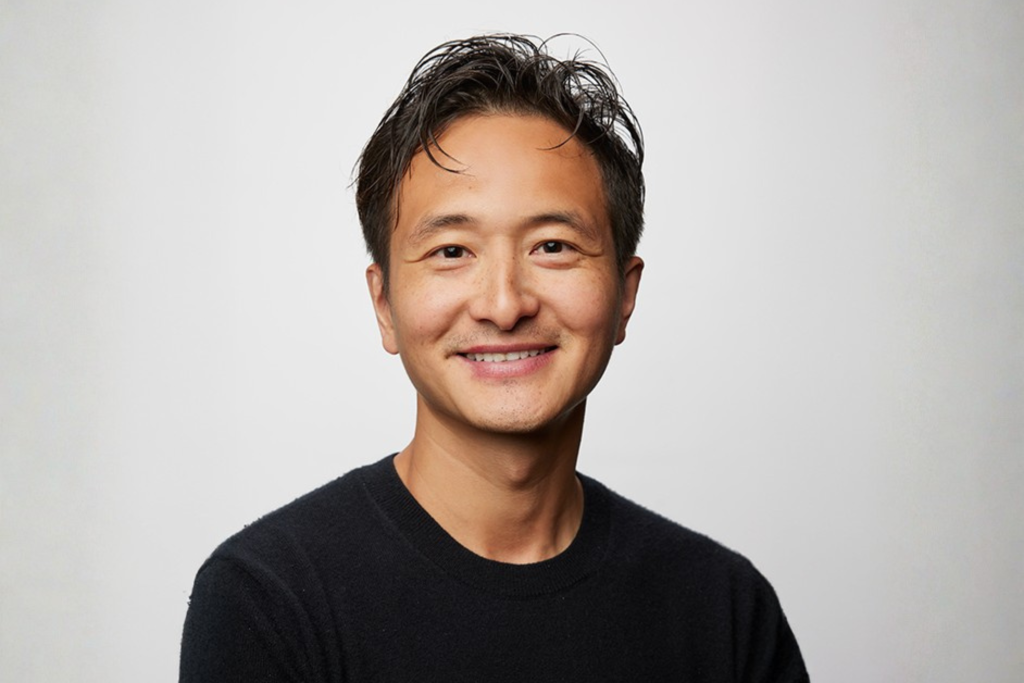
Ong Chin Yin, Head of People at Grab / Photo credit: Grab
If these fundamental technologies aren’t developed correctly from the get-go, it could lead to a snowball effect of biases getting passed down to future generations, inadvertently disguised as objective insights. “I think we need to have enough female representation for women to be able to weigh in during the development of frameworks and methodologies, not just at the end game,” Ong emphasizes.
For Grab itself, having women in leadership positions and informing product development decisions has brought about perspectives that might not have been considered otherwise. Ong brings up the example of Kaia Lai, its head of product, strategy, and marketing, who drove the implementation of the “share my ride” and “safety button” features, both of which matter greatly to female passengers and drivers alike, as safety and security are among their key concerns.
This, in turn, contributes to Grab’s larger vision of creating economic opportunities for people in the region – women included. “We are trying to support female drivers, [and developing these features] lets people know that it is safe to be a driver-partner with Grab,” Ong says.
Solving not just the symptoms
Effecting this kind of fundamental change takes an all-round approach that tackles the roots of the gender inequality issue. Since creating the right workplace culture takes time, companies should take action as soon as possible.
Internally, Grab strives to create an environment that encourages an inclusive mindset. It does this by providing its managers with many kinds of people analytics that provide not just data on retention and compensation but also diversity and inclusivity (D&I) metrics – gender diversity, pay parity, promotion rates by gender – by level in each team.
Grab also rolled out a cornerstone learning program to help staff understand their unconscious biases. This keeps leaders aware of the need to consider and interview female candidates for open positions and helps stave off such issues in the hiring process, as well as in the day-to-day management of their teams.
“We also have a special mentorship program for women in Grab that helps them get connected to people that they may not work with day to day. These mentors can help walk them through overcoming some of the obstacles and challenges in life, and also how to look and respond to certain things,” Ong says. “Women tend to hold back a lot more, and the mentors are there to help give them that boost of confidence and encourage them to speak up.”
This concept of providing role models and mentors is a key part of the firm’s efforts to further its inclusivity initiatives. By showcasing examples of women leaders, including and especially mothers, Grab shows its female staff that it’s possible to succeed as a woman in the company – and the tech field in general.
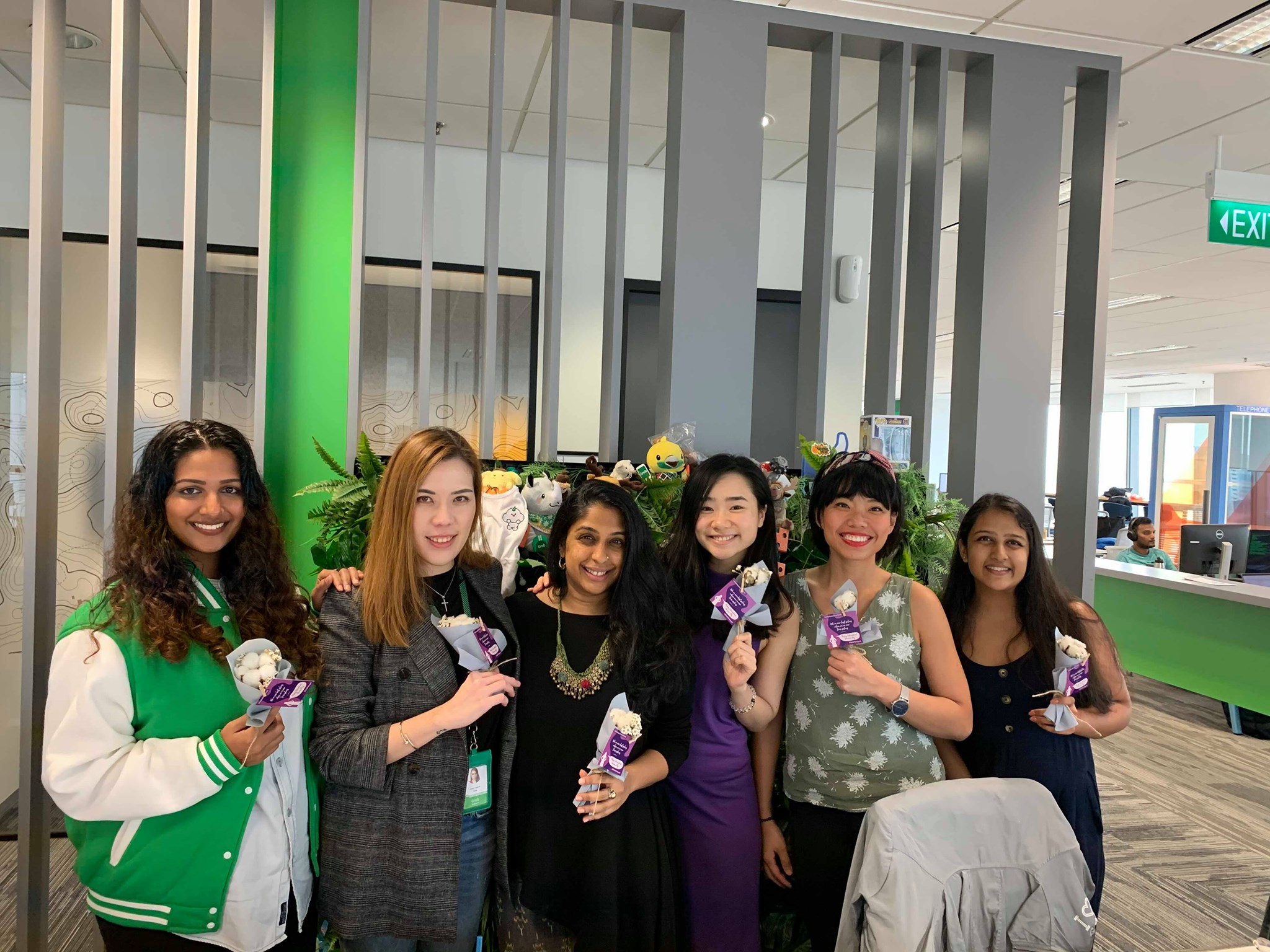
International Women’s Day 2020 celebration in the Grab office / Photo credit: Grab
Ong says that the children of some female managers would occasionally poke their heads into video calls, and the company welcomes this kind of sharing as it provides practical examples of “everybody embracing the lives of others in a holistic way.” This lets mothers know that they are supported.
It also leads to a “pay it forward” effect. “[Female talent] supply continues to be an issue, but it’s not just a problem with education systems,” Ong says. “Maybe we can help parents see how wonderful a STEM career can be for daughters. I think it is important that parents understand the possibilities.”
What’s next?
Clearly, gender inclusivity doesn’t begin and end with hiring more women – setting up and maintaining work environments that are safe and respectful are important too. Senior leadership staff also have to recognize the key role they play in cultivating such a culture, as the policies they put in place and even how they manage their own personal lives and families have a trickle-down effect.
“We hear a lot from our own teammates about having more role models that they can look up to and they can speak to in terms of how to manage their career as they progress through different stages of life,” Ong explains.
Looking ahead, companies would do well to take proactive steps to further the gender equality cause, such as conducting regular studies on pay parity levels across the organization and keeping track of promotion ratios. In Grab’s case, it continues to build out the understanding of what a safe and respectful workplace is in its staff.
“My hope for the future is that we will be able to take on a different lens and maybe start to define what diversity and inclusion mean in Southeast Asia. I think many available matrices on D&I heavily focus on and carry perspectives from the western world,” Ong says. “I am inclined to trust that its application might be a little bit different in Southeast Asia, and if we can define it better for our side of the world, it would be beneficial for the broader community here.”
Find out more about how you can be part of a company that values diversity and inclusion by visiting Grab’s career page.
This content was produced by Tech in Asia Studios, which connects brands with Asia’s tech community. Learn more about partnering with Tech in Asia Studios.
Stay updated on the go with our mobile app.
Get latest insights with smoother, more personalized experience through TIA mobile app.
Recommended reads
 Building a human capital operating system for students
 The AI talent war in Asia: who’s winning, who’s losing, and why
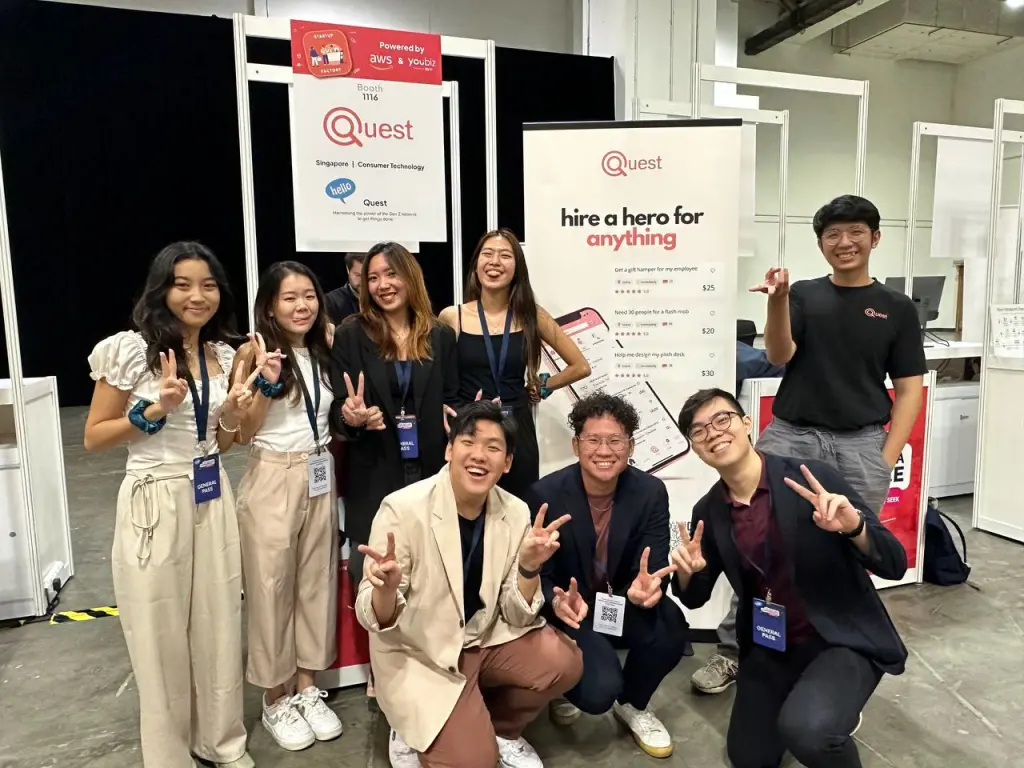 QuickBytes: How this startup supports side hustles and flexible work
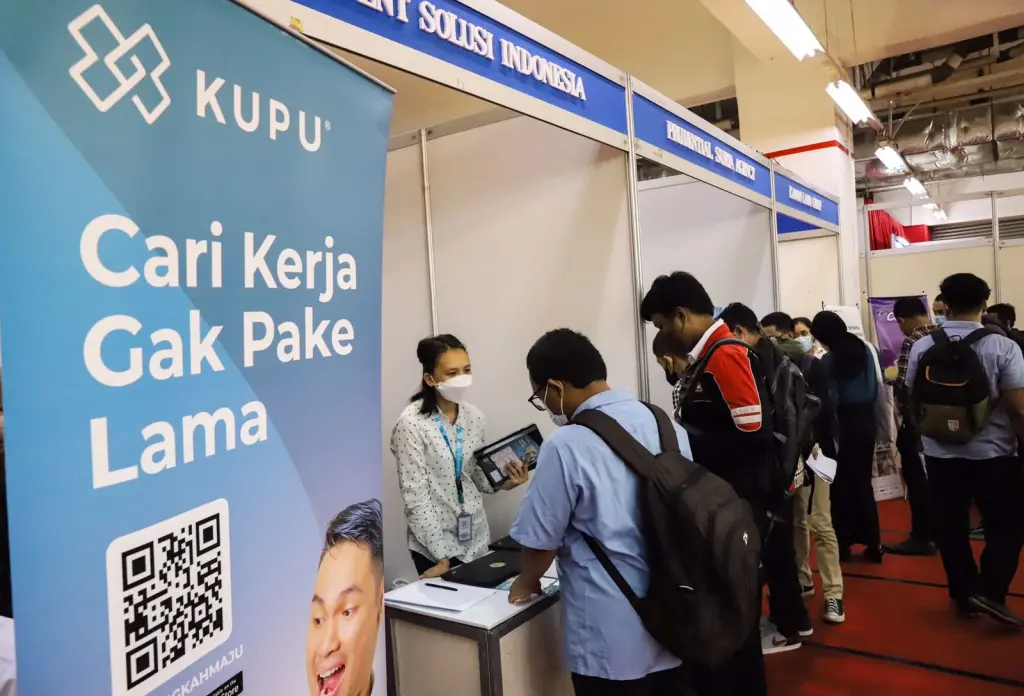 Mass firing, less hiring: Can Indonesia see hope in a grim job market?
 HubSpot co-founder: stop hiring well-rounded executives
 PayMongo receives demand to investigate board chairman
 AppLovin CPO on how renting AI can be a waiting game
 Exclusive: Bukalapak founders’ fund backs early round of Indonesian coding test firm
 The R&D center behind Grab’s biggest fintech projects
 Crypto.com slashes 20% of global workforce





Editing by Nathaniel Fetalvero and September Grace Mahino
(And yes, we’re serious about ethics and transparency. More information here.)





📅 Upcoming Events
22 October 2026
Payoneer x CSPN Summit 2026