 Eva Xiao · · 5 min read
In China, mobile payments are creating a thriving industry of micro services
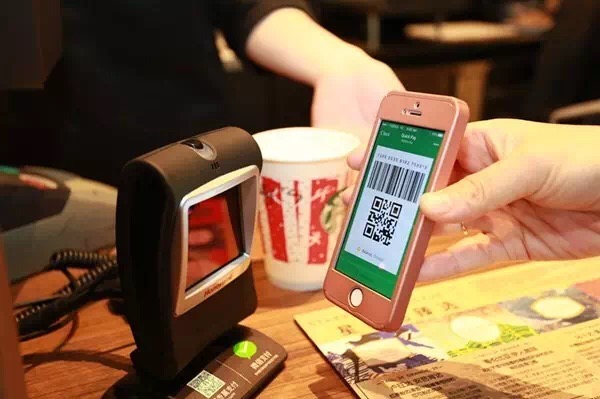
Paying for Starbucks using WeChat in China. Photo credit: Tencent.
China may be known as the copycat nation, but the country is a genius at creating new business models, from bike sharing to miniature karaoke booths. In fintech especially, Chinese entrepreneurs are showing the rest of the world what can be done once payments turn cashless.
In 2016, China’s mobile payment industry hit about US$8.8 trillion, a mind-boggling figure that’s supposed to jump to US$14 trillion by the end of this year, according to iResearch. The research firm also estimates that by 2019, about 85 percent of online payments in China will be mobile, leaving just 15 percent for PC and tablet-based transactions.
That’s not too surprising, given how dominant the mobile phone is in China: more than 95 percent of internet users in China used their mobile to go online in 2016.
See: How WeChat Pay became Alipay’s largest rival
The immediate benefits have been obvious – fast and convenient payment, with no need to fumble for change. But as more and more Chinese consumers choose their phone over ATMs, new ways to spend – or make – money on your phone are cropping up. Here’s five that caught our attention.
Location-based freelancing
The beauty of smartphones is that they almost never leave our side. That means mobile payments can enable a host of new location-based services.
In Alipay for instance, you can find nearby freelancers, whether it’s a photographer, nanny, or gym instructor. You can also post your own location, a request, and a corresponding “bounty.”
These requests run the gamut: picking up and delivering a package, buying groceries and bringing it to someone’s office – even going on a movie date with someone. Anyone can volunteer to complete a help request and get paid. Bounties can only go up to US$30.
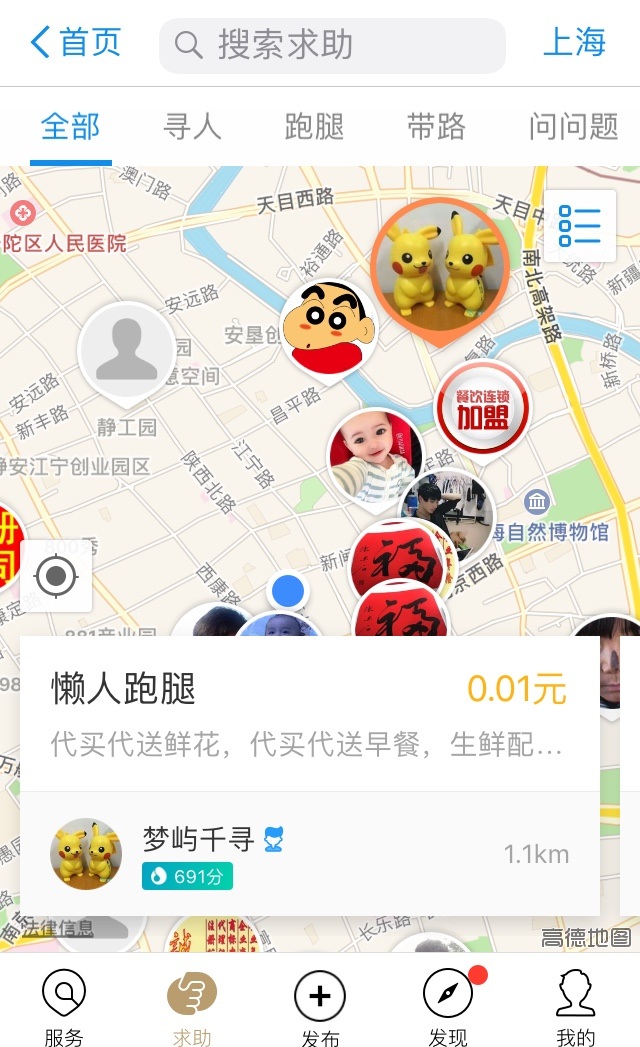
Some nearby freelancers – this one is offering to run random errands for less than US$1: buying and sending flowers, breakfast, and more.
One Chinese blogger joked that you can even pay someone to bring toilet paper to you – which is laughable, but entirely possible through Alipay’s location-based feature.
Paid group challenges
There’s nothing like peer pressure when it comes to getting shit done. But if you can raise the stakes a bit – say, by putting in US$50 – your odds of success could be even higher.
That’s what users of “Knowledge Circle,” a WeChat official account, can do using the app’s payment system. A group of friends can create their own daily challenge – like going to the gym or studying for a test – and require a certain buy-in amount to participate, the highest being US$750.
Tipping for content
Knowledge economy
Micro rentals





Stay updated on the go with our mobile app.
Get latest insights with smoother, more personalized experience through TIA mobile app.









