- Insights This article was written by a TIA community member. Insights pieces undergo the same rigorous editorial process that newsroom-produced articles have.
 Calixto Tay · · 5 min read
Why I helped Mediacorp produce a ‘cheesy’ drama about Singapore startups
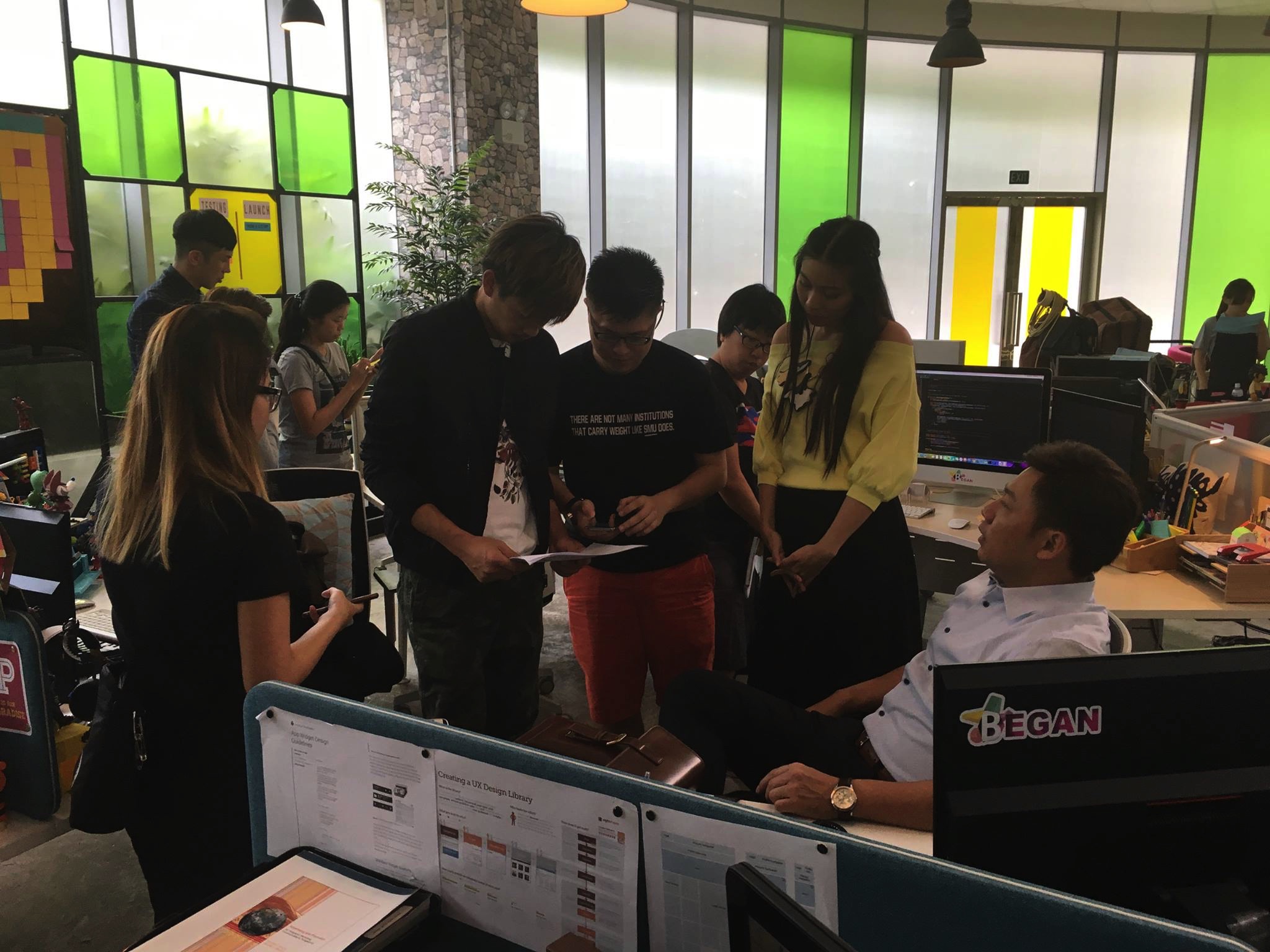
The first episode of Dream Coder aired yesterday, and it has drawn divisive opinions from my friends in the IT industry.
Some got goosebumps and foamed at the mouth within five minutes of watching the show, while others got creative with sarcasm on Facebook. A smaller group applauded the attempt.
I knew these reactions would happen from day one when Mediacorp approached my app development company, Originally US, to consult and assist with the production of the show. But why did I still do it? Why did I risk my (non-existent) reputation by associating myself with a “cheesy” Mediacorp drama with a “government agenda?”
My reason was simple: I was impressed by the sincerity of the show’s entire team to get things right. They wanted to portray the industry as realistically as possible within the confines of a fictional drama.
When the script writers first approached me for my input nearly one year ago, they were serious about getting the details right. Before they consulted with me, IMDA (no surprise, as this is an IMDA-supported drama) had already dropped them the names of a few of my competitors/friends who they could reference and seek advice from. But the team felt they had to be absolutely certain that everything was accurate. That’s why they went beyond usual research to talk to as many people in the industry as possible. I might have remembered this wrong, but one of the writers told me that this show had undergone some of the most extensive research prior to them writing a script.
The process
My first meeting with the script writers was at a cafe. There were about 10 of them and only one of me. I guided them through our app development process—wireframing, interactive prototypes, frontend and backend development, UAT, and getting apps to the store. They quizzed me about typical concerns, fears, joys, and interesting episodes we encounter as part of our job. When they asked about the tools I use, I took out my Surface Pro and showed them Android Studio, how error messages look like, gave them screenshots of Xcode, taught them how to use our favorite prototyping tool Moqups.com, and showed them samples of how an app goes from wireframing to going live. They took notes—lots and lots of it.
They also asked about how we serve our clients, the nature and quality of our relationships with them, and how we try to deliver and impress.
They also asked about our motives and goals. I shared with them that while companies like mine build apps for clients, we often dream of owning our own products and bringing them to the market ourselves. That formed the backbone of a key plot in the show.
They also visited a lot of offices to get a feel of how an app development company would look and feel like. What kind of office layout would an app company have? Do designers sit with developers? Do project managers sit at their desks all day long or walk around mingling with programmers? What are the conversations that programmers have with one another? What kind of toys or gadgets do programmers and designers like to keep on their desks?
All these details were noted and reproduced in the show. It’s true that having employees ride scooters around the office seemed way too cheesy, but I think the alternative would have been extras sitting at their desks, eyes glued to their screens, typing away like those on a North Korean drama.
Personally, I also felt that the employees portrayed got too easily distracted by puppies and coffee, but that’s probably better than watching Aloysius solve his Rubik’s cube (the one in the show is his personal toy, not a prop) with one hand while hammering out Java with the other all episode long. I’m sure that would be an exciting drama.
Beyond consulting for the script, we also helped create what we call “digital props.” We produced almost every tracert and Android studio screen, git commit, paper drawing, wireframe, and app you will see in the show. (Our aim was realism; in episode one, you will see Carrie referring to Stackoverflow on one of her screens.)
The actors and actresses also gave their best. Aloysius Pang, a very talented actor, learned most of the git commands by heart. If you see him typing away at the screen, that’s him actually pulling code. And no, Aloysius didn’t have a prior IT background. The first day on the set, Romeo Tan also asked us a lot of questions about a project manager’s role, daily life, and mood to get into his character. Carrie also tried to understand what her character was trying to do on Android Studio.
Parting thoughts





Stay updated on the go with our mobile app.
Get latest insights with smoother, more personalized experience through TIA mobile app.