- Insights This article was written by a TIA community member. Insights pieces undergo the same rigorous editorial process that newsroom-produced articles have.
 Jay Kim · · 7 min read
How this entrepreneur bounced back from being broke and living on his sister’s couch
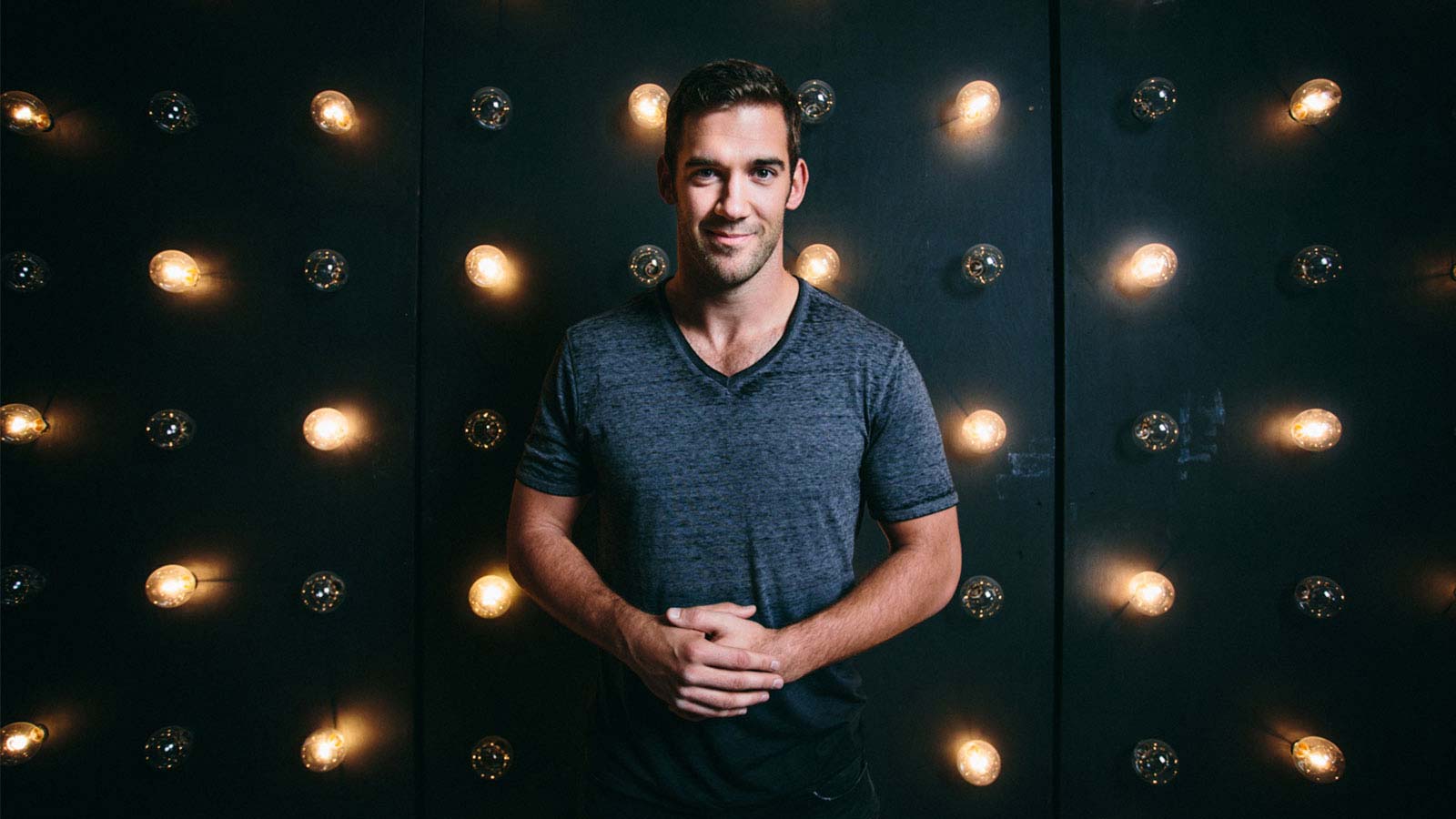
This article is part of Tech in Asia’s partnership with The Jay Kim Show where we publish the revised transcripts from the show’s podcast interviews with top entrepreneurs. This is heavily revised from the original show transcripts. For the full interview, go here.
Lewis Howes has a very inspirational story. He went from being broke, unemployed, injured, and sleeping on his sister’s couch to running multimillion dollar businesses, becoming a New York Times bestselling author, a highly sought-after keynote speaker, and just an all-around successful entrepreneur. Here, he goes into detail about how he changed his mental framework and the things he does every day that lead to his success. Let’s get right into it.
Can you tell us a little bit about your story?
“You know, I never sought out to be an entrepreneur. I did it based on necessity. I used to be a professional football player here in the states, but my dream was crushed when I broke my wrist and I had to have surgery. It took me about a year and a half to recover and I wasn’t able to get back and to playing the game that I loved so much. My dream was over and I didn’t have a degree, a backup skill, or anything that I thought was valuable enough to get a job or to have anyone pay me for.
“It was about a year and a half into sleeping on my sister’s couch where she was like, ‘OK, do you think it’s time you start paying for rent and supporting [yourself]?’ Because I was just mooching for the whole time and she was nice because I was injured and had lost my dream. [So] […] I started to build some quality relationships in my city with some of the business leaders. I was going out, I was doing some public speaking classes, and I was just trying to figure out some ways to get myself out there in general to build some skills and tools.
“I went on Craigslist and I was like, ‘OK, I’m going to look for a sports type of job because I like sports.’ […] I researched on the different jobs that were available in my city in the sports marketing world and I applied to one that I was like, ‘Wow, I think this would be a great job for me; it sounds like an interesting company.’ I applied, I got the interview, and I remember, as I was walking out of my sister’s home to go to the interview, that I couldn’t leave.
“I had it all set up and I just remember thinking, ‘If I go there, I believe I’m going to get this job and that’s not what I want.’ […] My body resisted so much […] that I just didn’t show up. I didn’t even email them and say anything; I just didn’t show up.
“It was that moment where I decided, ‘OK, if I’m not going to get this job or do something else, I need to figure out a way to make money.’ That’s kind of how entrepreneurship began.”
Were there points in your journey when you knew you were gaining traction?
“I think it was just many moments building up. As I started making a little bit more money, I was like, ‘Oh, I think I could do this’ because I started to make 500 bucks a month and then 1,000 and 2,000 a month. I was like, ‘There’s something here. I’m learning how to make a little bit of money by providing value to people and for packaging and positioning my products, services, and events.’ If I can just learn to help people solve problems and be valuable to them, then I’ll always be able to make money.”
Maybe you can talk a little bit about your book and what it’s about?
“It’s called The School of Greatness. It stems from my podcast where I interview some of the world’s greatest leaders, peak performers, world-class athletes, and New York Times bestselling authors, people from all walks of life who are, in my opinion, the greatest at what they do in the world. As I was interviewing them—I’ve done over 420 episodes—and as I interviewed these people over the last four years, I’ve realized that almost all of them had common themes, principles, and foundations that they’ve lived on that helped them get to where they are.
“Maria Sharapova, when she was a kid playing tennis, she was like, ‘I want to be number one in the world one day and I want to be one of the greatest of all time.’ She knew for 15 years while training what her vision was. […] The same thing with all the greatest athletes. The same thing with Tony Robbins, the same thing with everyone that I had on [my podcast]: they were clear in what they wanted.
“A lot of people that I meet, they’re not clear on what they want. They’re scattered [with] their ideas and they don’t have a clear, purposeful vision. So, get clear on what you want. That vision could be what you want in the next six months or in the next year. It doesn’t have to be for your life. What do you want right now?
“Another thing [these people] all have is a thing that I call the ‘champion’s mindset;’ they have this incredible belief in themselves. If you don’t believe in yourself, I guarantee you’re not going to create what you want. […] You’ve got to learn how to develop confidence by building small wins, believing in yourself, and surrounding yourself with people who believe in you as well. Because a lot of times when we go after something big, people around us and the closest people to us sometimes hold us back and don’t believe in us the most.
“Another thing [these people do] is they develop hustle […]. I learned this in sports. I was never the fastest, the strongest, or the biggest athlete, but I would always dive for the loose balls, I would always sacrifice my body to support the team. I remember my coaches would say, ‘You know what? I’ll always have a spot on my team for someone like this.’ There [will] always be a position for someone [like this]. Even if they’re not the biggest, the fastest, or the strongest, but if they dive, if they hustle, if they do whatever it takes to support the team, then we need to find a way to get that person on the court. For me, that became my way into business as well.
In your book, you talk about vision. What was your vision initially?
Are there certain tactics or strategies that you use when you face challenges?
What’s one final piece of advice that you want people to remember?





Stay updated on the go with our mobile app.
Get latest insights with smoother, more personalized experience through TIA mobile app.












📅 Upcoming Events
22 October 2026
Payoneer x CSPN Summit 2026