- Premium Content It takes our newsroom weeks - if not months - to investigate and produce stories for our premium content. You can’t find them anywhere else.
 Nicole Jao · · 4 min read
Why Shopee’s Taiwanese archrival is plotting a Southeast Asia expansion
For those who don’t live in Taiwan, chances are you have never heard of the ecommerce company Momo.
But it is one of the largest ecommerce platforms in Taiwan and a listed company on the domestic stock exchange. Momo serves around half of the population in Taiwan and is a fierce competitor to Shopee in the country.
And it’s taking the fight abroad. Last year, amid the ecommerce windfall spurred by Covid-19, Momo ramped up its endeavors in Southeast Asia, which is Shopee’s home turf.
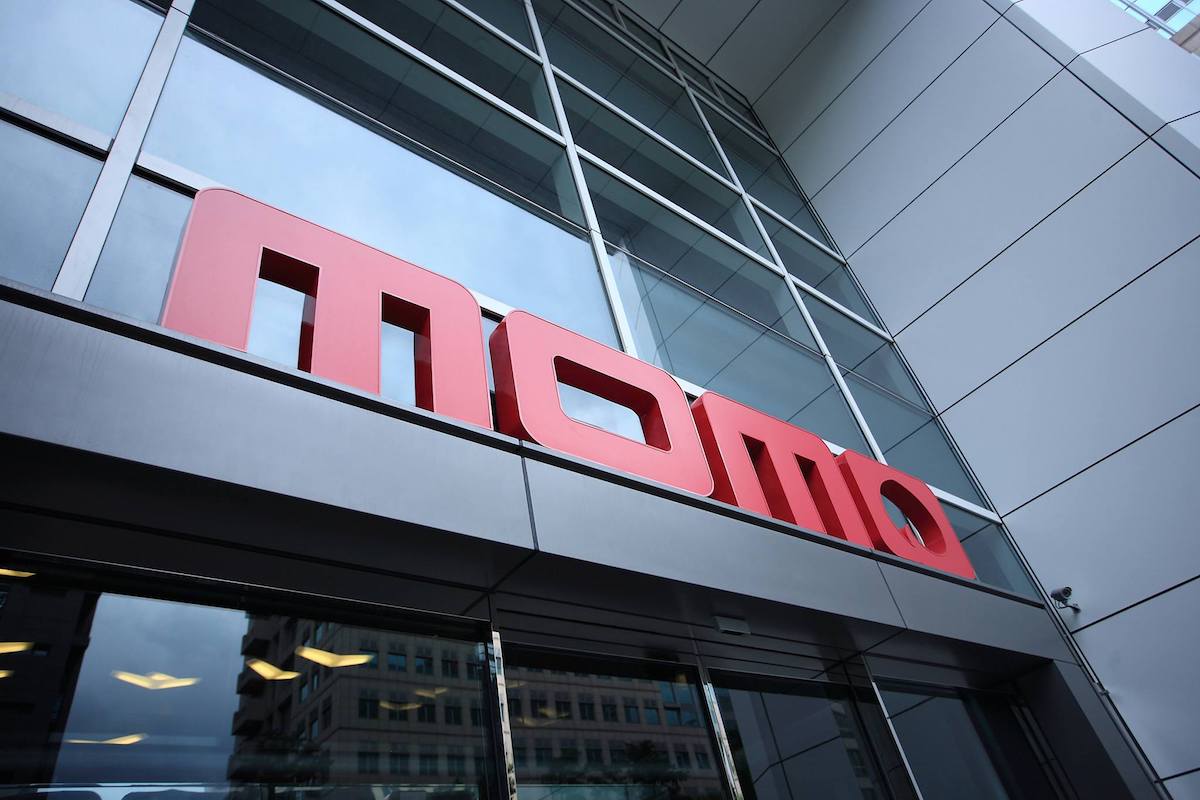
Photo credit: Momo
Going up against Shopee and other more established players in Southeast Asia will be tough for Momo. But the company is undeterred and is planning to make inroads by taking a rather unusual route: TV-based home shopping.
A brief history
When Momo first started in 2004 in Taiwan, it was mainly known not for ecommerce but for running one of the most popular home shopping networks. Before the advent of ecommerce, TV-based shopping was widespread in the country, especially among homemakers and older consumers.
But the home shopping market soon declined, and so the company gradually grew its ecommerce business. Home shopping currently accounts for merely 10% of Momo’s total revenue.
In 2019, Momo recorded NT$51.83 billion (US$1.85 billion) in annual sales, making it the largest B2C online retailer in Taiwan. The company now boasts over 11 million users and 5.4 million daily active users, and it aims to double its annual revenue to NT$100 billion (US$3.55 billion) by 2022.
The company has to look overseas for growth opportunities, Jeff Ku, president of Momo, tells Tech in Asia. Taiwan has one of the most mature ecommerce markets in the Asia Pacific region. As such, it has been growing at a relatively slower rate than other markets.
Moreover, its ecommerce market is becoming increasingly competitive and crowded. Shopee’s rapid rise in Taiwan has been encroaching on Momo’s ecommerce business, especially as it moves from a C2C toward a hybrid B2C model. Shopee launched its B2C platform Shopee 24h in 2018, which became the most popular platform for shopping after just one year, according to a survey by the government think tank Institute for Information Industry.
Plus there are other players like Alibaba’s online marketplace Taobao that are also extending their reach in the market.

Momo’s overseas endeavors are focused primarily on home shopping. It has several joint ventures in countries including Thailand, China, and the UAE. The bulk of the revenue of these companies come from home shopping.
Thailand as a launchpad
Stay ahead in Asia’s tech landscape
This is premium content. Subscribe to read the full story.
Momo, the largest ecommerce platform in Taiwan, is expanding its footprint in SEA. The company hopes to use its home shopping network in Thailand as a launchpad.
We know this is not ideal. ⌛ Sign up in 20 seconds. Cancel anytime.
Our subscriber community includes professionals from these companies:





Stay updated on the go with our mobile app.
Get latest insights with smoother, more personalized experience through TIA mobile app.