Stefanie Yeo · · 6 min read
What startups need to keep in mind when scaling for growth

Being able to scale is a key ingredient to success for any startup. Companies need to make sure that their products – and the tech and people behind it – are able to adapt to the changes that come about as the business grows and its customer base gets bigger.
However, actually doing so is no easy task, and founders may find themselves struggling to navigate the complexities involved with the process.
Fortunately, they can look to those that came before them for advice on how to navigate this path. Three leaders from three of Southeast Asia’s rising startups – online used car marketplace Carro, digital merchant platform Fave, and online grocery firm HappyFresh – share their experiences with scaling.
Striking a balance
According to Kelvin Chng, co-founder of Carro, startups need to have a plan in place for scaling right from the get-go.
“As the cliche goes, if you fail to plan, you plan to fail,” he explains. When a company grows, the transaction volumes and the traffic it sees on its platform will be at a much higher scale. If its system can’t keep up with these demands, the company won’t be able to keep up with the market.
At Carro, planning to scale is ingrained into its engineering principles. This ensures that everything being developed has a proper path to be able to grow with the company.
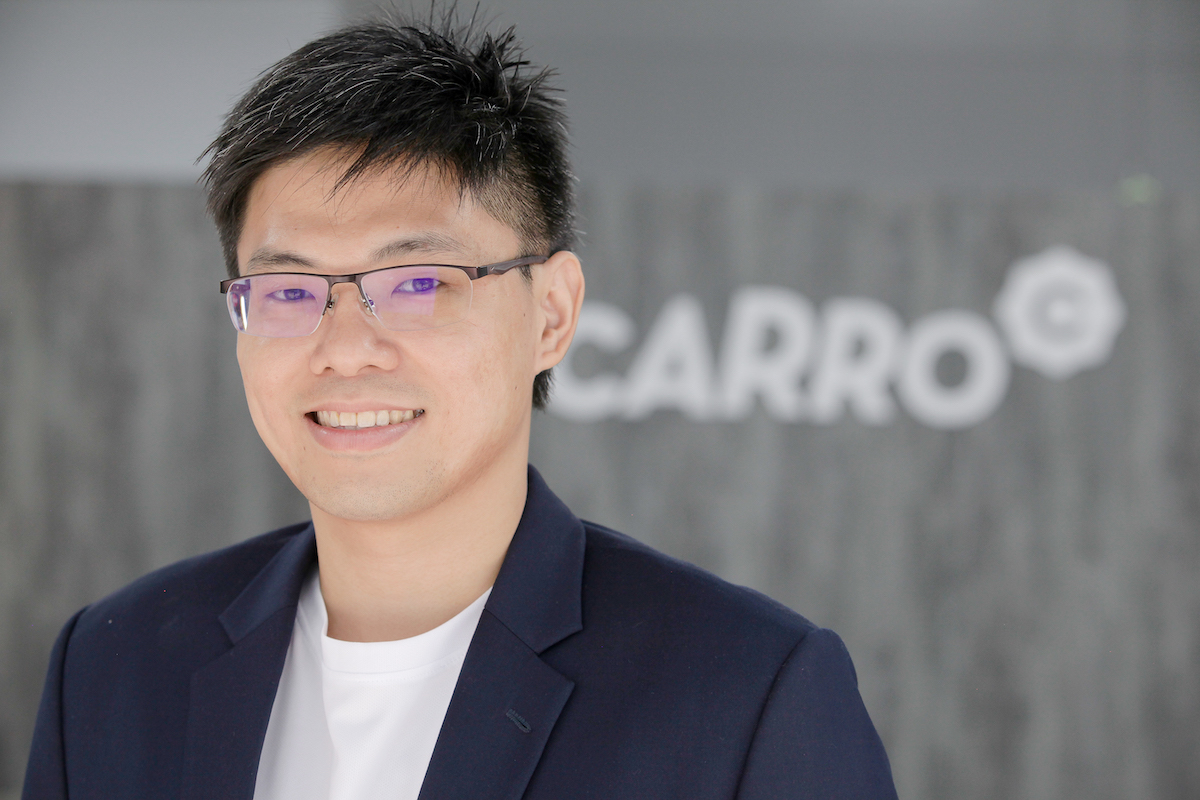
Kelvin Chng, co-founder of Carro / Photo credit: Carro
Founders need to have a vision of how a particular product can adapt and evolve as its customer base grows, and ensure that the tech stack underpinning it can accommodate that growth.
This is a lesson Carro learned the hard way, having had to undergo a massive reengineering and overhaul of its system in order to meet the needs of new markets when it expanded outside of Singapore.
However, while it’s important that startups make plans for scaling, they also need to be realistic about the process.
“One of the most common issues we see startups running into is that in the interests of moving quickly and efficiently, they actually over-optimize,” says Arzumy MD, chief technology officer (CTO) of Fave. “This can backfire if one has not taken the time to make the right choices, plan well, and create a firm foundation to build the company on.”
Over-optimization occurs when startups try to optimize their systems prematurely. A term borrowed from the software development world, premature optimization occurs when performance considerations affect the design process. After all, there’s no point in thinking about scaling if you haven’t even gotten a firm grasp on who your users are and what needs your product is addressing.
This sentiment is echoed by Fajar Budiprasetyo, CTO of HappyFresh Indonesia.
“Scaling before perfecting product-market fit often leads to failure,” he says. Companies need to get the fundamentals down and ensure that they have something that works before they get into the nitty-gritty details of scaling their tech stack.
“A mistake as simple as choosing the wrong technology could have been corrected by taking the time to slow down and take stock of the situation. But that mistake could become a much larger issue impacting a lot more people,” says Arzumy.
Scaling the tech stack
Making plans for scaling while also ensuring they aren’t over-optimizing is a tricky balance for founders to strike, but there are ways around it.
“Companies need to be able to find ways to handle an unexpected workload or find resources that they could pull from in times of need,” says Arzumy.

Arzumy MD, CTO of Fave / Photo credit: Fave
For a start, he recommends using cloud-based solutions such as Amazon Web Services (AWS), which have the infrastructure and support in place to guide startups through the scaling process. By using such services, startups can pay for what they need and expand their resources as required, instead of making hefty upfront investments into their infrastructure.
For example, by working with AWS, Fave has been able to set up its servers for auto-scaling. Instead of running 20 servers constantly in anticipation of traffic spikes, Fave can make arrangements for more servers to be running at peak hours. It can also preemptively scale for campaigns that take up more bandwidth, such as the 11.11 or 12.12 sales.
This ensures that the company can adapt swiftly to meet the needs of its customers without having to worry about its backend. It’s also a more cost-efficient option, as the company only pays for what it needs, giving it flexibility and elasticity in its processes.
Chng also reminds founders that they won’t be able to do everything on their own. Where possible, they should look for external tech solutions to support their company’s growth.
“Be as pragmatic as you can. Understand your business and take advantage of the resources and facilities around you to make the right decisions,” he says. “Outsource certain parts of the process, especially if it’s not within your core strengths to do it.”
On Carro’s end, the company chose to build its infrastructure on AWS, as doing so spared it the hassle of maintaining servers in the different markets it operates in. This also allowed Carro to move quickly into new markets, thanks to AWS’ presence around the globe.
People first
As companies grow, their teams do as well, which presents new sets of challenges. Indeed, all three leaders flagged people and culture as areas where they faced challenges in their scaling journeys.
“Scaling our talent to support business growth and maintaining our culture were the key challenges we faced,” says Budiprasetyo.

Fajar Budiprasetyo, CTO of HappyFresh Indonesia / Photo credit: HappyFresh
It can be difficult to maintain the culture of the company as it grows bigger and teams become more diverse, but there are ways around it. According to Chng, Carro does so by making sure every new hire is aligned with the company’s larger vision.
“[The leadership team] tries to make the effort to connect with everyone that we bring on board,” he shares. “We’re very fixated on making sure our cultural DNA doesn’t change too much from where we first originated, and we use that as a basis to make sure everyone is aligned with the vision and ideal of the company.”
Something else that’s important is communication. The larger the company, the more layers messages have to pass through, which increases the likelihood of things getting lost in translation.
“You have to find a way to communicate effectively and make sure that messages are being transferred accurately and being acted on in the way that you intended,” says Arzumy. “As Fave grew, we had to think about how we would maintain a central pool of knowledge, where the reasons behind the decisions could be efficiently and effectively shared to everyone.”
While navigating this process can be tricky, doing so can help companies foster their culture and retain the right talent that can help them adapt to the challenges that come their way.
Adapt and thrive
At the end of the day, scaling successfully boils down to two things: the people and the tech.
“Whatever the situation, being able to build and scale a startup successfully relies on having a system and leaders that are adaptable to the problem at hand,” says Arzumy. “[The company] will need to be able to handle whatever is thrown at [it] and transition seamlessly for the end-user to have a continuously positive experience.”
According to Budiprasetyo, companies need to invest in people and in the right technologies, engaging in research and development to ensure that their products are able to grow and adapt to changing user demands.
Startups need to lay the groundwork for the future by seeking out solutions that will support the company in its growth and bringing in people who can help develop those solutions.
“Look for good people before you look for good solutions, because good people give you good solutions,” Chng concludes.
Amazon Web Services is the world’s most comprehensive and broadly adopted cloud platform, offering over 175 fully featured services from data centers globally.
Learn more about how AWS can help your startup scale quickly, reliably, and at a low cost here.
This content was produced by Tech in Asia Studios, which connects brands with Asia’s tech community. Learn more about partnering with Tech in Asia Studios.
Stay updated on the go with our mobile app.
Get latest insights with smoother, more personalized experience through TIA mobile app.
Recommended reads
 Zhipu AI’s formula for surviving China’s tech market
 Sell software in the US, build bots in Asia
 The AI reckoning threatening India’s software assembly line
 How Europe wins the AI race in SAP CEO’s view
 How to build custom AI agents the Y Combinator way
 GVV 8: Grab’s latest accelerator graduates share their takeaways
 What VCs need in a fund administrator
 AI startup Acceler8 lands backing from A16z Speedrun
 An AI interviewer being built on interview data, not CVs
 Freeze headcount until AI becomes the true production line





Editing by Nathaniel Fetalvero and September Grace Mahino
(And yes, we’re serious about ethics and transparency. More information here.)