Li Tao · · 3 min read
Shenzhen AI startup helps city police idenitfy jaywalkers, banned drivers
Shenzhen is home to hundreds of thousands of vehicles, so it needs stringent regulations to control the heavy flow of traffic through its streets. But with 12 million residents, enforcing those rules is not easy.
The city’s police have an invisible helping hand, however, courtesy of local firm Intellifusion, which uses proprietary high-definition cameras and artificial intelligence to catch traffic rules violators – whether they are driving or on foot.
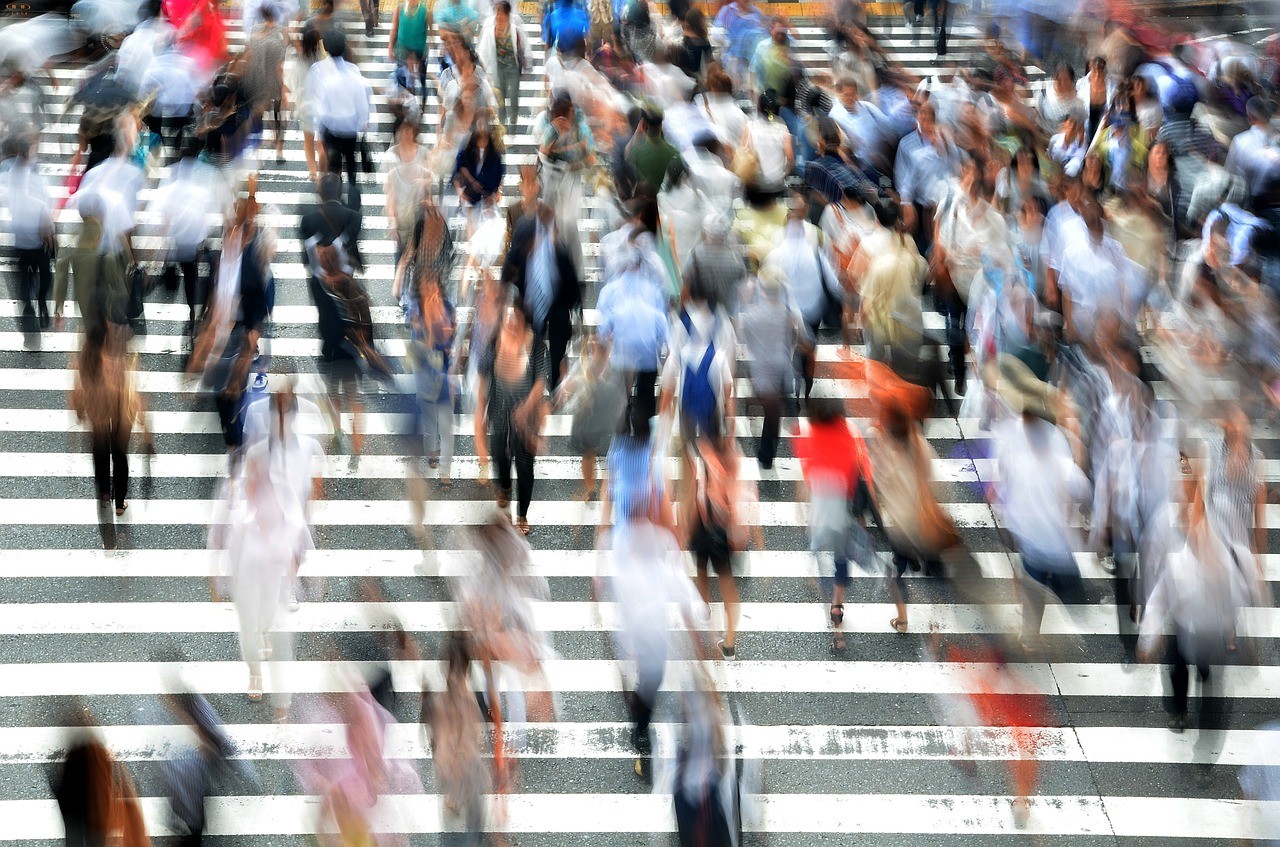
Photo credit: Brian Merrill / Pixabay
For two years now, Intellifusion’s system has been quickly matching car number plates and pedestrians’ faces with information stored in the police system. It is also displaying the names and faces of jaywalkers on nearby LED screens to shame them into complying.
The current system features a network of cameras, each with a 7 million-pixel resolution, Intellifusion director of marketing solutions Wang Jun told the South China Morning Post in March last year.
In the 10 months after the system’s debut, as many as 13,930 jaywalkers were displayed on the LED screen at one busy intersection in Futian district, according to Shenzhen traffic police.
Intellifusion also plans to team up with the country’s technology giants, such as Tencent, and telecommunications network operators to introduce a system where jaywalkers are notified of their violations via instant messaging through smartphone apps such as WeChat, as well as being fined, Wang said in the interview.
However, that notification system has not yet been put into operation in Shenzhen.
China is poised to overtake Britain as the world’s most monitored society, with nearly 200 million public and private surveillance cameras across the country, especially in major cities like Beijing and Shanghai.
Local governments have also invested heavily to expand the coverage of surveillance cameras to improve public security. One eastern Chinese city in Jiangsu province even boasted that security cameras would “cover everything, with no blind spots.”
Combined spending on smart cities in Singapore, Beijing, Shanghai, and Seoul is expected to exceed US$4 billion this year, according to research firm IDC. China will account for most of the technology-related spending, with most of the investment in fixed visual surveillance equipment.
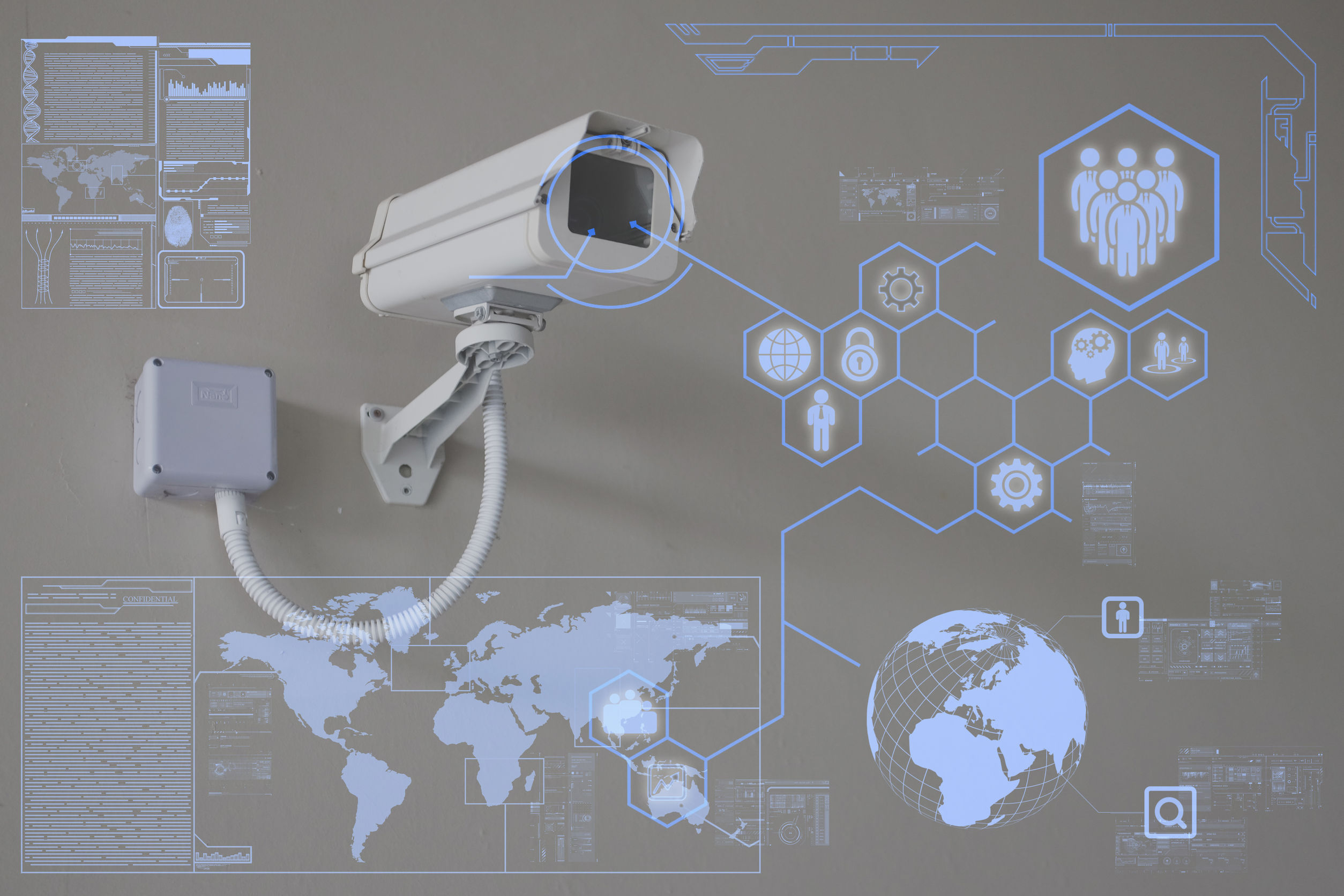
Photo credit: stnazkul / 123RF Stock Photo
As successful as Intellifusion’s naming-and-shaming trials have been, its technology has been used for more than just catching jaywalkers.





Stay updated on the go with our mobile app.
Get latest insights with smoother, more personalized experience through TIA mobile app.