- Insights This article was written by a TIA community member. Insights pieces undergo the same rigorous editorial process that newsroom-produced articles have.
 Ivy Yang · · 4 min read
Shein and Temu in crosshairs of Trump’s tariffs
Donald Trump’s return to the US presidency in the 2024 election has reignited the import tariff debate. He reaffirmed his commitment to following through on his campaign trail rhetoric during his victory speech, declaring, “Promises made, promises kept.”
With tariffs back on the table, the implications for global trade and American consumers are significant.
Trump’s plan, which proposes a 10% to 20% increase in tariffs on all imports and as much as 60% to 100% for goods from China, could reshape the landscape for cross-border commerce platforms like Temu, Shein, and TikTok Shop. It may also affect other platforms and retailers including Walmart, Amazon, and Target.
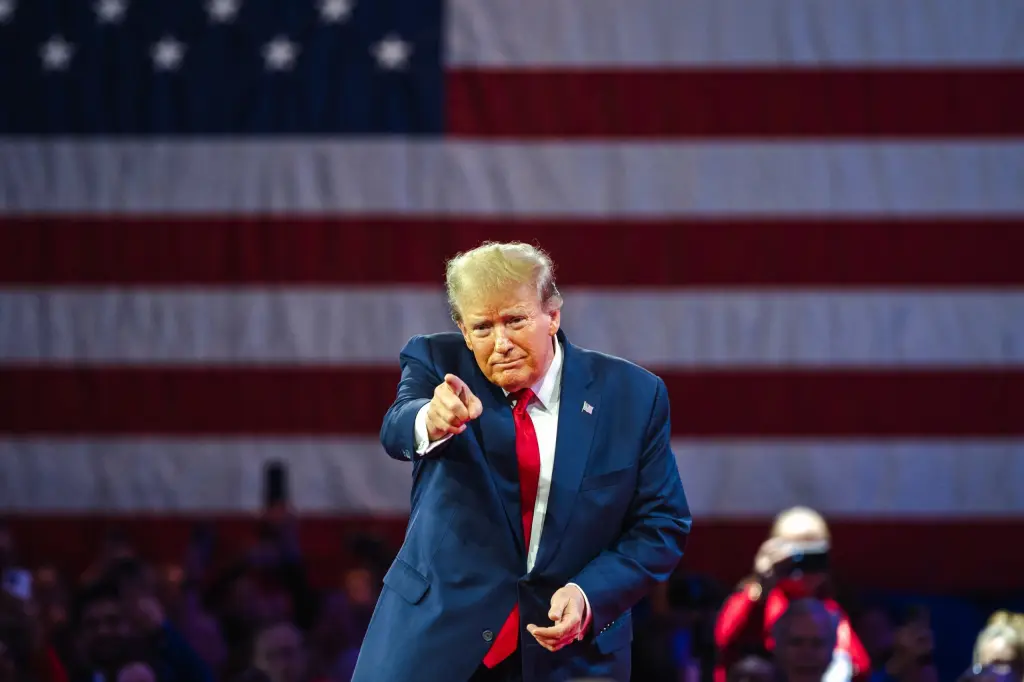
US President-elect Donald Trump / Image credit: Shutterstock
According to the National Retail Federation, such tariffs could reduce American consumers’ spending power by US$46 billion to US$78 billion annually, with key categories like apparel, toys, furniture, and household goods likley to experience some of the steepest price hikes.
While cross-border Chinese ecommerce platforms will surely be hit hard by such steep tariffs, the impact will also be felt by the US retailers they are designed to protect.
Do tariffs work?
The stated aim of these tariffs is to incentivize domestic manufacturing, but achieving that is far from certain. Establishing local production for goods like apparel would require enormous investments and result in higher prices for American consumers.
See also: Hillhouse, ByteDance, and Shein’s dance around the China question
During Trump’s previous term, for instance, tariffs on textiles and accessories initially led to a decline in imports for categories like apparel and footwear. However, Chinese manufacturers quickly found ways to work around these barriers by reclassifying products under different categories to continue exporting.
For example, imports of “other textile products, sets, and worn clothing” surged from 1.3 billion yuan (US$181.7 million) in 2016 to 4.7 billion yuan (US$657 million) in 2020, an increase of 250%. Overall, these reclassified categories grew from 10.5 billion yuan in 2016 to 11.7 billion yuan in 2020, marking an 11% rise.
Can Shein and Temu stay affordable?
For platforms like Temu and Shein, which have built their success on low prices, the proposed tariffs represent a fundamental challenge. The US is a major market for both firms – an estimated 28% of Shein’s 2023 sales were from the US, while Temu acquired an estimated 17% of the US online discount store market as of November 2023.
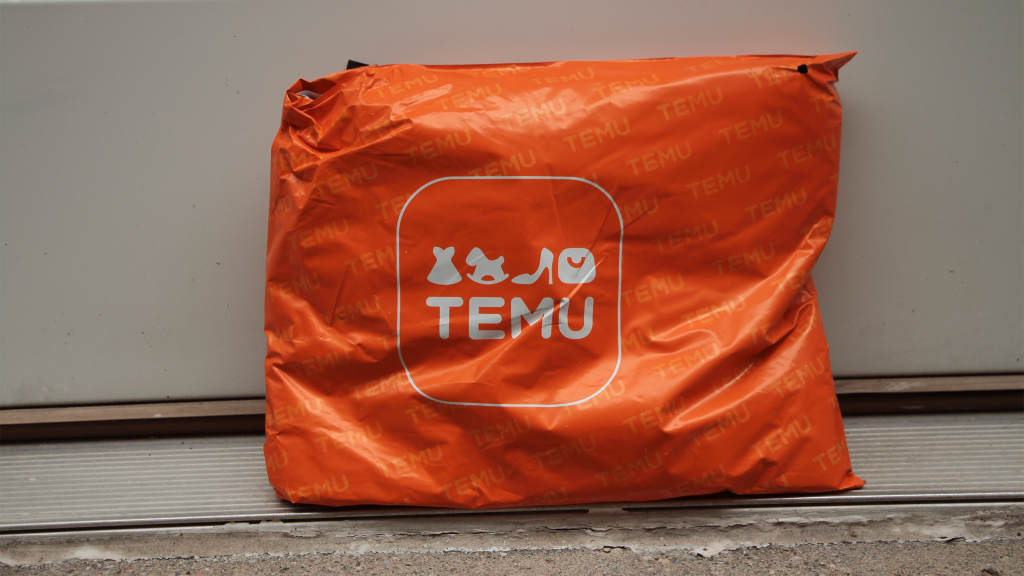
Photo credit: PenguinLens / Shutterstock
A Temu spokesperson recently told Yahoo Finance that the company’s mission is to “offer consumers a wider selection of quality products at affordable prices.”
Tariffs hit home too
Sea change
Stay ahead in Asia’s tech landscape
This is premium content. Subscribe to read the full story.
These cross-border giants built empires on affordable prices. Trump’s tariffs could end their reign.
We know this is not ideal. ⌛ Sign up in 20 seconds. Cancel anytime.
Our subscriber community includes professionals from these companies:





Stay updated on the go with our mobile app.
Get latest insights with smoother, more personalized experience through TIA mobile app.