- Premium Content It takes our newsroom weeks - if not months - to investigate and produce stories for our premium content. You can’t find them anywhere else.
 Emmanuel Samarathisa · · 5 min read
Despite setbacks, this Malaysian healthtech firm eyes EBITDA breakeven by year-end
Malaysian healthtech firm Naluri looked poised to take on Southeast Asia after raising a US$7 million pre-series B round in 2022. Thailand was on the map and all systems were go.
But when the rubber hit the road, that ambition came to a grinding halt.
What followed was a bittersweet 2023 for the Kuala Lumpur-based startup, which a few years ago had been earmarked as a potential unicorn by the government. Expansion plans were put on hold, and layoffs came after to the tune of more than 30% of group operations.
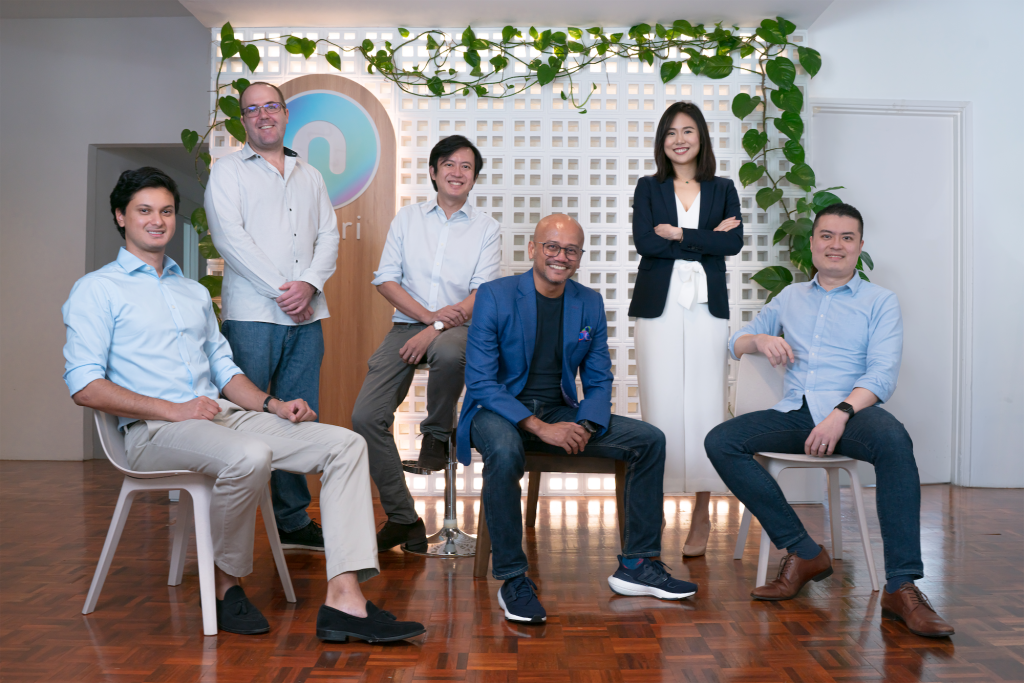
Naluri co-founder Azman Osman-Rani (centre, blue jacket) with his management team. /Photo credit: Naluri
“It became very clear that the global VC funding environment was pretty much dried up,” Naluri co-founder Azran Osman-Rani tells Tech in Asia. The firm decided to conserve cash to preserve its runway, he explains, as board members expected that raising any money in 2023 would be “extremely slim.”
Naluri was founded in 2017 by Azran, a serial entrepreneur, and medical systems expert Jeremy Ting. Prior to Naluri, Azran was AirAsia X CEO and iFlix chief operating officer (COO).
Tiffanie Ong, who had stints at Accenture and A. T. Kearney, would join the duo in 2019 as Naluri’s COO.
The startup offers digital health coaching via an app for staff, to help them manage chronic diseases or mental health conditions. Naluri’s main aim of is to deliver positive outcomes at a lower cost to healthcare payers, particularly employers.
Now, it’s back to basics for the company. Naluri is expecting to reach EBITDA breakeven at a group level by the end of this year, Azran tells us.
Shift to mental health
Southeast Asia was the perfect place to launch Naluri as the region struggles with an epidemic of chronic noncommunicable diseases, from diabetes to heart attack. These are responsible for 60% of deaths in the region.
The reasoning was that instead of waiting for something bad to happen, patients can mitigate the risk early on, Azran explains.
At first, there was “virtually no interest in mental health,” he says. Naluri’s initial clients were looking at chronic disease management, which was their biggest recurring cost and also a major contributor to loss of productivity.
When the pandemic peaked in 2020, Naluri began getting queries from large corporations – from banks to airlines – because their employees were burning out or resigning, with some having even died due to suicide.
By 2021, all of Naluri’s work was geared toward mental healthcare, and the firm “tripled” their growth on the back of addressing mental health issues, says Azran.
Uphill growth
Stuck in the middle
Tapping a ‘new class of growth investors’
Stay ahead in Asia’s tech landscape
This is premium content. Subscribe to read the full story.
Naluri, which offers healthcare services for employees, tightens its belt in a move to tap into growth funding.
We know this is not ideal. ⌛ Sign up in 20 seconds. Cancel anytime.
Our subscriber community includes professionals from these companies:





Stay updated on the go with our mobile app.
Get latest insights with smoother, more personalized experience through TIA mobile app.












📅 Upcoming Events
22 October 2026
Payoneer x CSPN Summit 2026