India’s finance minister Nirmala Sitharaman proposed a few government initiatives as part of the budget for the 2023 financial year that were aimed at boosting growth for the country’s startups amid challenges posed by Covid-19 and rising inflation.
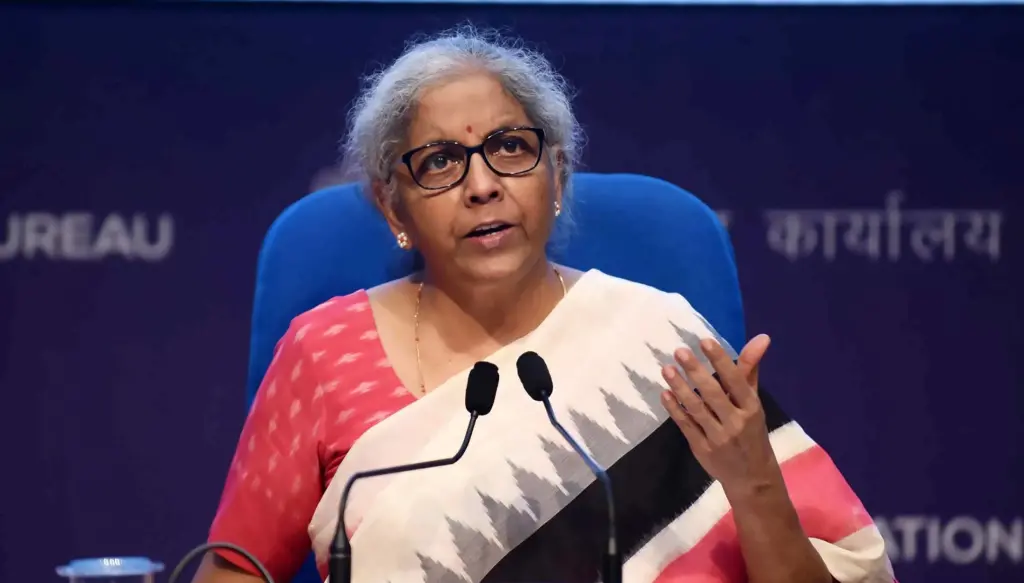
India’s finance minister Nirmala Sitharaman / Photo credit: PTI
“Startups have emerged as a growth driver for the economy. Tax incentives for startups increased from three years to four years of incorporation, in view of the pandemic,” the minister said while presenting the union budget in parliament.
Indian startups had a blockbuster year in 2021, raising US$42 billion in 2021, up from US$11.5 billion in the previous year, and underscored the significance of the country’s tech ecosystem in the latest budget.
The country also minted a record number of unicorns last year, with their number going up to 78, according to data compiled by Tech in Asia.
Fine print for Indian startups
As part of the union budget, Sitharaman also proposed extending the startup tax-holiday scheme to those firms incorporated by March 31, 2023, over and above those startups already eligible for the exemption. The scheme gives startups a tax holiday for three out of seven years from the date of incorporation.
Earlier, the tax holiday was available for startups incorporated till March 2022. Last year, too, the minister had announced a similar one-year extension to the startup tax holiday policy.

Image credit: Timmy Loen
“Union Budget 2022 is extremely progressive and forward-looking in nature,” Jitin Bhasin, founder of fintech firm SaveIN, said. “Especially for startups, the tax exemption to eligible startups, incorporated before March 31, 2023, is going to provide much-needed cash flow boost to startups in their formative years.”
Additionally, VC investors and startup founders are also likely to benefit from a tax tweak, where the surcharge on long-term capital gains tax has been capped at 15% for all listed and unlisted companies, lower than the earlier regime, where the surcharge went up to 37.5%
The government has also announced plans to set up a digital university, which will be based on a networked hub-and-spoke model. While the “hub” refers to the country’s public universities and institutions, the “spokes” are individual students who will learn from hubs at home through the digital medium.
See also: A list of India’s unicorns and their early investors (Updated)
The finance minister also said that the country’s agriculture and rural banks regulator will provide a fund with blended capital to fund agritech startups that are relevant to the value chain of farm produce.





Stay updated on the go with our mobile app.
Get latest insights with smoother, more personalized experience through TIA mobile app.