This story is co-reported by Deepti Sri.
The Reserve Bank of India (RBI), India’s central bank, is set to launch its own blockchain-based currency, the digital rupee, by 2023 as the country aims to introduce a cheaper and more efficient currency management system.
“Introduction of digital currency will boost the digital economy,” Nirmala Sitharaman, the country’s finance minister, said while presenting the union budget for the financial year 2022-2023 in parliament.
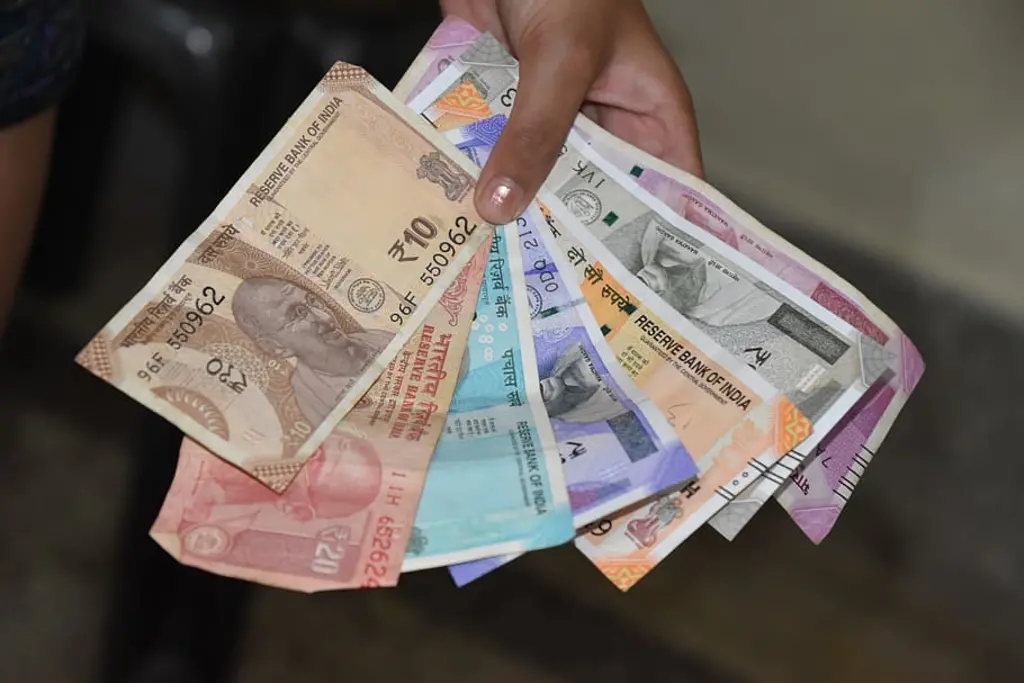
Photo credit: Piqsels
The move is likely to give an impetus to the participation of institutional players in the blockchain space.
“The development will make digital currencies more accessible to the people just as UPI (unified payment interface) made digital cash easier to use,” said Piyush Gupta, CEO of blockchain lending protocol Polytrade.
In November 2021, the Indian government said the RBI was working on a strategy to introduce a central bank digital currency (CBDC) in a phased manner after examining its use cases.
CBDCs will be a new form of digital cash intended to replace physical cash, according to a Morgan Stanley report.
“Efforts to introduce CBDCs are gaining momentum, with as many as 86% of world central banks exploring their own digital currencies,” Chetan Ahya, chief economist and global head of economics at Morgan Stanley Research, noted in the report.
China has already been working since 2014 on a digital yuan, which is controlled by the People’s Bank of China.
Experts said apps and payments providers will likely begin preparations to offer services linked to the paperless Indian currency, as seen in China, where major digital payment apps support the digital yuan.
“There will likely be a similar model (as China’s) that will be seen in India to support adoption and use of the digital rupee, which is paramount for its success,” Harish Prasad, head of India banking at FIS, told Tech in Asia.
A digital rupee could also familiarize Indians with the benefits and efficiency of virtual currency. “It will build an appetite for crypto, blockchain, and the multitudes of innovations and employment opportunities that these technologies are capable of fostering,” said Avinash Shekhar, CEO of crypto exchange ZebPay.
A crypto tax?
The finance minister also proposed a 30% tax on proceeds from digital assets. This could be seen as a step towards legalizing cryptocurrencies and non-fungible tokens (NFTs) in India. The government will also tax the receipt of digital assets as gifts and their movement from one wallet to another.





Stay updated on the go with our mobile app.
Get latest insights with smoother, more personalized experience through TIA mobile app.