- Premium Content It takes our newsroom weeks - if not months - to investigate and produce stories for our premium content. You can’t find them anywhere else.
 Shihan Fang · · 7 min read
Independent Reserve pivots from retail investors as regulatory tightening looms
Independent Reserve, the first cryptocurrency exchange to receive a license to operate in Singapore, will shift its focus away from retail investors and instead concentrate on the country’s institutional and accredited investors as well as family offices.
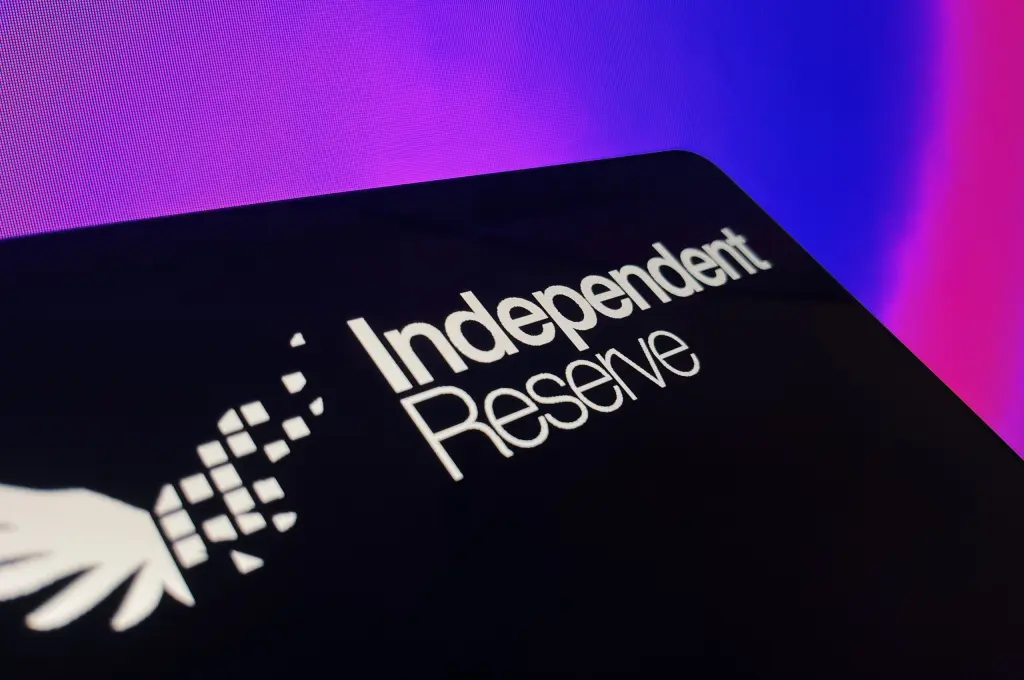
Photo credit: Tech in Asia
This comes as the Monetary Authority of Singapore (MAS) is proposing restrictions on retail investors as part of an overall stance to safeguard the general public from cryptocurrency risks and fraud.
Australia-headquartered Independent Reserve is now working on new features for these customer segments but declined to reveal specifics.
The exchange tells Tech In Asia that it will continue to provide services to retail investors but will not actively market to them due to the advertising limitations set out by MAS.
Founded in 2013, the company is currently operating in Australia, New Zealand, and Singapore, where it opened its office in 2019.
The firm’s co-founder and CEO, Adrian Przelozny, says he has no plans to open an office in Hong Kong despite signs last week that crypto regulations for retail investors may be loosening in the city.
Regulatory uncertainty, he says, is the main reason. “Before we invest, we want to be more certain that the rules aren’t actually going to change again.”
In May 2021, the Hong Kong government proposed mandatory licensing for all crypto exchanges and said it will only permit crypto trading for institutional investors with at least US$1 million in their portfolio. While the regulations are set to come into effect in March next year, it’s already deterred global crypto majors from entering the city, prompting them to set up shop elsewhere in Asia, particularly in Singapore.
The crypto-friendlier language from Hong Kong regulators last week may not be enough to stem the tide. As a special administrative region of China, Hong Kong’s administrators can do little if China’s blanket ban on cryptocurrency trade is extended to the city, even if it operates under a “one country, two systems” policy.
Strict Covid-19 protocols, which include 11 tests for new travelers entering the city, are also a bugbear.
No exposure to FTX
News that FTX, one of the world’s largest crypto exchanges, is heading toward insolvency rocked the crypto world this week. FTX suspended all withdrawals on Tuesday, and was about to be acquired by its rival Binance until the latter walked out of the deal early this morning.
“In the beginning, our hope was to be able to support FTX’s customers to provide liquidity, but the issues are beyond our control or ability to help,” Binance tweeted today.
Anxiety of a possible FTX collapse has spooked the broader crypto market, pushing the price of Bitcoin to a new bear market low. Solana’s SOL token has also fallen more than 40% due to concerns that it is the second-largest holding for Alameda Research, the trading arm of FTX. Alameda’s SOL holdings represents about 10% of Solana’s market cap.
Strategic pivots amid intensifying competition
How MAS’ proposed measures may pan out
Stay ahead in Asia’s tech landscape
This is premium content. Subscribe to read the full story.
The crypto exchange is playing it safe with Singapore regulators and assures customers that it is not exposed to FTT or FTX.
We know this is not ideal. ⌛ Sign up in 20 seconds. Cancel anytime.
Our subscriber community includes professionals from these companies:





Stay updated on the go with our mobile app.
Get latest insights with smoother, more personalized experience through TIA mobile app.











📅 Upcoming Events
22 October 2026
Payoneer x CSPN Summit 2026