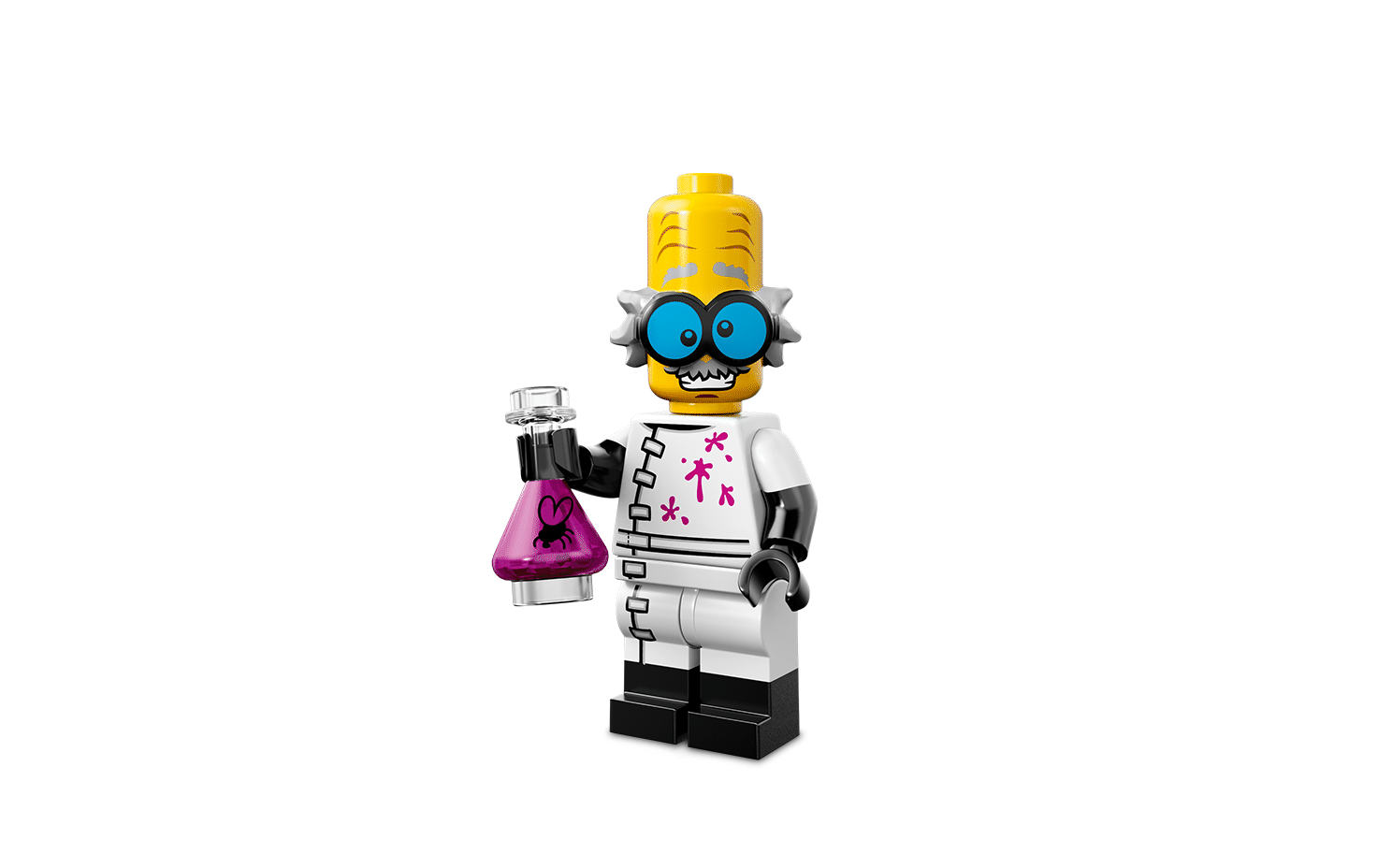
Photo credit: Lego
Here’s a question – what’s the difference between doing scientific research and starting up? One is a repeated cycle of trial and error involving lots of pain, despair and an uncertain future, and the other is practicing science. Who am I kidding– they’re both very similar in concept and are equally painful, which sparked the idea for this article.
By day, I’m working on my PhD in Biology in the Nanyang Technological University while my tech co-founder Wesley works on his PhD in Computational Biology in the National University of Singapore. By night, we’re the founders of an insurtech startup called fundMyLife. We decided to write this article because
1) it’s funny how many parallels we could draw between our double lives and;
2) it is to provide encouragement for other candidates out there, that they can lead a life outside academia after completing their PhD.
But hey, less about us and more about how studying science prepares you for the startup life! Disclaimer: I am not claiming that ONLY scientific training prepares you for the startup life, but rather that the skills found in science are surprisingly transferable to the startup world.
Failure is our friend
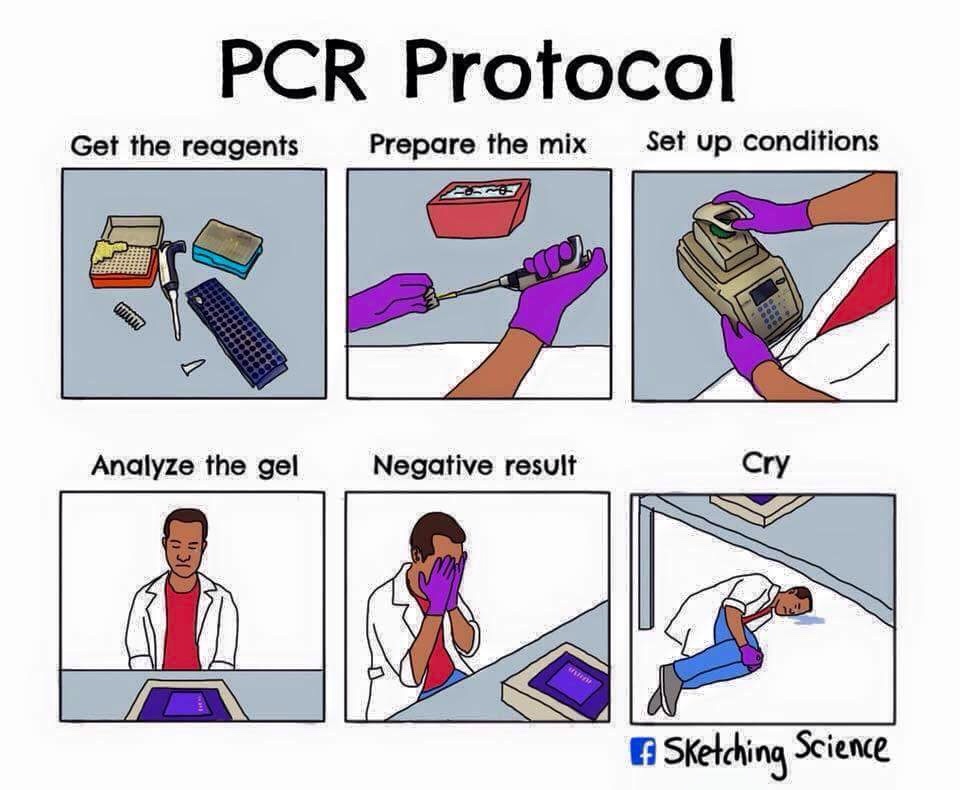
As scientists, we are used to failing – it could be a simple experimental failure or a major one like taking 19 years to do a PhD then murdering the professor, the former being more common. I think. Personally, for my experiments in protein crystallography, on my best day I’d have 10 successful results in a trial of 480, so that’s around a 2 percent success rate (I actually failed quite a few protein projects). Comparing that to the say, 10 percent success rate in the startup world, I don’t really mind taking a chance in something that is about five times more likely to be successful than what I do in my day job (I know stats doesn’t work that way, just humour me will ya).
In fact, when fundMyLife first started out, the first thing we did was to read up on why and how startups fail. While this first move was not an auspicious one, it reflected the mindset we adopt in our day job, which was to gain as much information as possible and figure out what works and what doesn’t. This is especially so since Wesley and I are total beginners to the scene.
More importantly, we were able to be aware of the common pitfalls that new startups face, like making sure we have proper business models and not being too ambitious like wanting to scale immediately before achieving product-market fit. While it might be unusual of how accepting we are of failure, it’s also because of how we deal with failure in our daily jobs. This brings us to the fact that…
…We live for hypotheses

I really don’t
Oh, what are scientists without hypotheses? Scientists cope with failure by just returning to their original hypothesis and figuring out what went wrong (crying hot tears optional).
In general, we generate a hypothesis, perform experiments to test this hypothesis, and depending on the results, we either go back to make changes to the hypothesis or go further to do even more experiments to further support the hypothesis. Sounds familiar?
Being resourceful
Getting frisky with risky
When the going gets tough, passion carries us through
Such is life





Stay updated on the go with our mobile app.
Get latest insights with smoother, more personalized experience through TIA mobile app.