 Renhao Wong · · 5 min read
For this SaaS unicorn, trust in employees pays off big time

Enterprise resource planning (ERP) software firm Odoo counts itself fortunate that it’s felt relatively minimal impact from the pandemic. As part of the software-as-a-service (SaaS) industry, the Belgium-headquartered company, along with its peers, flourished where other industries faltered.
This probably doesn’t come as a surprise. SaaS companies, which sport the advantages of cloud-based application processes, hyperscalability, and subscription-based fees, were ideal solutions to organizations rushing to digitally transform in a matter of weeks.
That said, the health crisis, and the new reality that followed, also presented a number of obstacles that challenged even a company whose bread and butter was offering online tools.
“Our sales teams were no longer able to arrange meetings or attend roadshows and events in person, and overseas hiring had to be put on hold,” explains Matts Fievez, Asia-Pacific director for Odoo.
As a company working toward unicorn status, which it would achieve in July 2021, it needed to pivot some of its key practices swiftly to continue growing its teams and business effectively without sacrificing its desired culture and camaraderie.
Deleting red tape
In the field of recruitment, change has been afoot. Candidates have reported being frustrated by the many rounds of interviews, and have consistently shown – both pre-pandemic and currently – that they prioritize work-life balance and flexibility in work locations.
Much like technology, Covid-19 seems to have catalyzed innovation in the hiring process. Virtual recruitment has become the new norm, even as the situation stabilizes and face-to-face interactions return. Online interviews allow for greater flexibility in connecting with both local and overseas candidates while minimizing unnecessary physical contact.
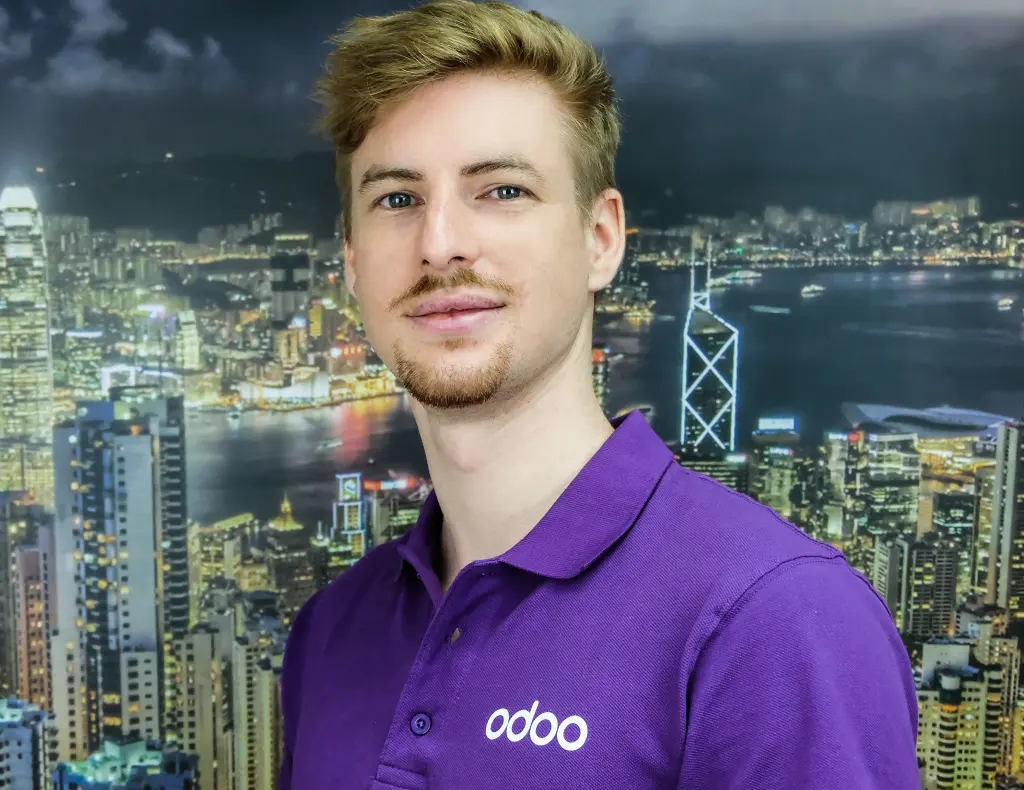
Matt Fievez, Asia-Pacific director for Odoo / Photo credit: Odoo
In its quest to become a unicorn, Odoo recognized how red tape slows growth, especially when it comes to remote hiring.
As a response, the company streamlined its interview process. Candidates now face just one interview with both the manager and team lead for the role, who must then make a decision on how to proceed within three days of the interview. The firm also very quickly leveraged online contracts and digital signatures to make the entire process paperless.
“No multiple layers of decision making – the bulk of the responsibility will lie with the team lead since they will be working most closely with the candidate that they hire,” says Fievez, adding that it’s important to constantly iterate new processes to make them more efficient.
The power of trust
More than just the interview process, Odoo also streamlined how its team leads manage their staff. Autonomy is the name of the game, with employees reporting to their managers only when they need to.
The company focuses on cultivating and maintaining the right culture, says Fievez, who adds that the well-being of employees is a priority, as they form the backbone of the firm. That’s why much of Odoo’s culture revolves around promoting work-life balance. Apart from avoiding overtime culture, employees are encouraged to take as many permitted days of leave as possible. Where feasible, the company is also open to employees working remotely, which means they can combine vacation and work and stave off burnout and fatigue.
“There’s no need to schedule holidays weeks in advance,” Fievez adds. “If you need to take a day off, we trust it’s for a good reason.”

The Odoo team / Photo credit: Odoo
This confidence carries through to their day-to-day work, even as each employee is given a significant number of responsibilities. For example, rather than divide the user journey into departments, which can result in a disjointed experience for both customers and staff, sales personnel stay with clients from the very first contact through to service implementation. Consultants manage the entire implementation process, from getting initial requirements all the way to going live with the solutions.
“This gives ownership to everyone involved on the project and gratification with success,” Fievez says.
The company also appoints team leaders among its employees, entrusting them with areas where they can take charge and lead by example, such as in training and mentoring new employees or project management. In doing so, Odoo’s management team has more time to focus on “setting the right strategies, planning ahead, and thinking long term.”
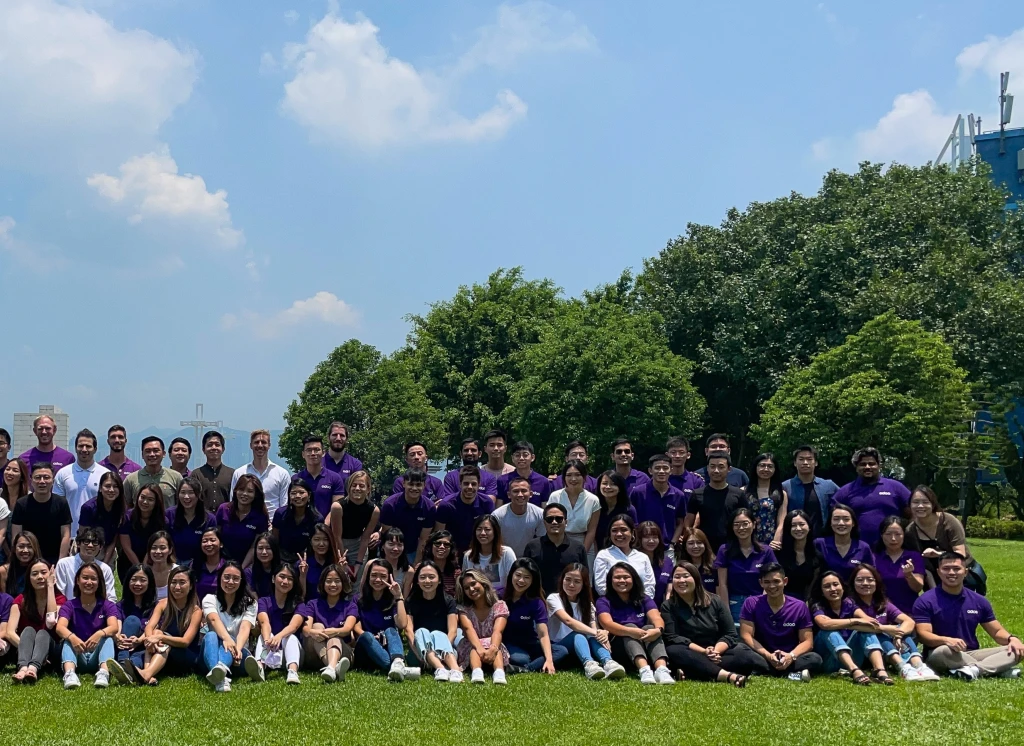
The Odoo team at a company cohesion outing / Photo credit: Odoo
Personal development is also encouraged. Staff members form interest groups within the company so they can connect with like minds. Additionally, much like other virtual water cooler strategies, virtual coffee breaks were implemented during the pandemic to allow employees to relax, chat, and bond outside of work.
These initiatives, combined with hard work and market demand, has led to record-breaking revenue numbers over the past year, according to Fievez.
New ventures for a new age
With the pandemic providing strong tailwinds for the tech industry, Fievez believes there will be heightened competitiveness in the job market. The resulting need for more talent, along with shifts in other industries’ performance, have tech companies and non-tech applicants looking to each other to plug gaps in both supply and demand.
While recruiters typically shy away from candidates without direct experience, talent experts believe these applicants may be possible game-changers in the future of work and hiring. Employers hunting for new talent today can and should think about prudently hiring staff for their potential, bringing in employees who are likely to add new perspectives and catalyze innovation for the company.
As for Odoo, its sights are set on keeping the momentum of its growth across the globe, continuing its expansion in the Asia Pacific while settling into Africa and other markets.
Through all this, employee empowerment remains a priority. Fievez reveals that the company is working on “a couple of new initiatives” aimed at helping potential overseas employees settle down and get accustomed to life in Hong Kong.
“There are exciting times ahead. Odoo’s growth within the APAC region is something we’re proud of, and we’re hoping to develop the business further by turning our emerging markets into key markets – and our employees are the key to that.”
Odoo is an ERP solutions provider with a mission to offer easy-to-use business applications that form a complete suite of tools to accompany any business need. With 30 regularly upgraded main applications, Odoo is supported by a community of more than 1,500 active members who have contributed some 16,000 apps to cover a wide variety of business needs. Find out more about what Odoo can do for your business at its website.
This content was produced by Tech in Asia Studios, which connects brands with Asia’s tech community. Learn more about partnering with Tech in Asia Studios.
Stay updated on the go with our mobile app.
Get latest insights with smoother, more personalized experience through TIA mobile app.
Recommended reads
 Building a human capital operating system for students
 The AI talent war in Asia: who’s winning, who’s losing, and why
 An AI interviewer being built on interview data, not CVs
 The founder mistake Airbnb’s CEO thinks kills great companies
 HubSpot co-founder: stop hiring well-rounded executives
 The ElevenLabs sales culture (and why inbound is a risk)
 AppLovin CPO on how renting AI can be a waiting game
 What a delayed promotion taught an OpenAI lead about teamwork
 When skills beat degrees in an AI economy
 Passive startup boards raise risk concerns





Editing by Winston Zhang, Nathaniel Fetalvero, and Jaclyn Tiu
(And yes, we’re serious about ethics and transparency. More information here.)




