- Premium Content It takes our newsroom weeks - if not months - to investigate and produce stories for our premium content. You can’t find them anywhere else.
 Samreen Ahmad · · 8 min read
Roll-up ecommerce flexes its muscles in India
Indian businesses have long been inspired by US companies: India’s Cars24 followed the Carvana business model; Ola set out on the path that Uber paved, and Flipkart became a homegrown contender to Amazon. All these Indian firms have turned into unicorns.
Now there’s another race heating up: Startups are vying to become the next Thrasio, a pioneer in the ecommerce roll-up space.
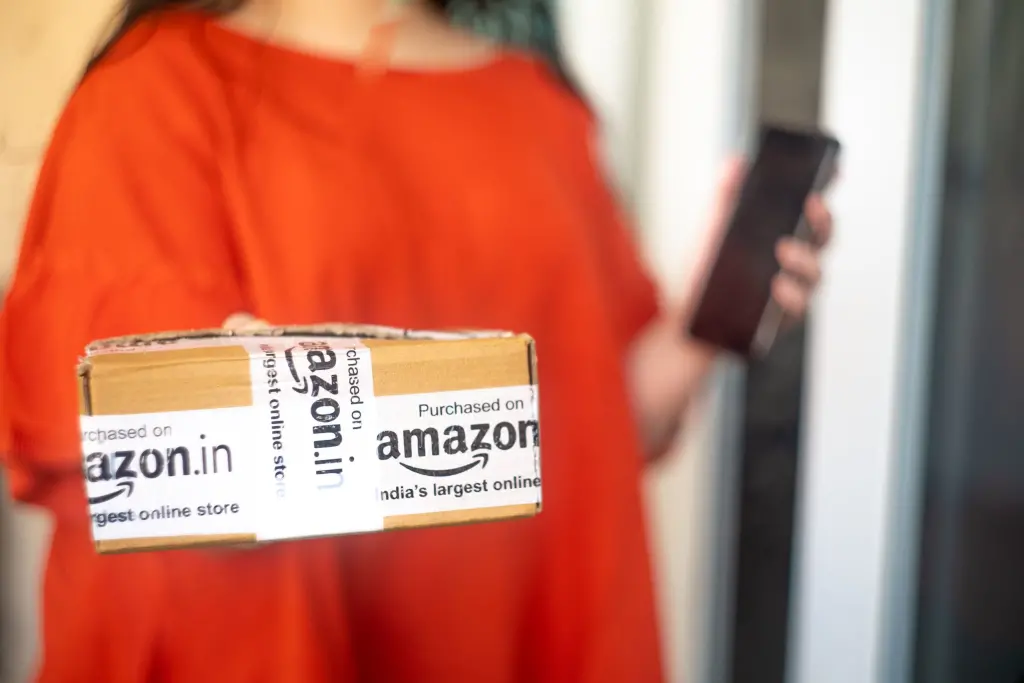
Photo credit: 123rf
Neither Thrasio nor ecommerce roll-up firms really rang a bell in the country a few months ago. But the trend has suddenly gathered steam.
This year alone, the South Asian nation has seen nearly a dozen roll-up ecommerce startups crop up, which has attracted over US$300 million from top investors including Tiger Global, SoftBank, and Accel.
Race to be the next Thrasio
Like roll-up appetizers, which are filled with bits of different ingredients wrapped within a thin tortilla, roll-up firms in the digital world buy up smaller companies that offer common goods and services and bring them all under one umbrella.
Roll-up firms pool together fragmented market resources, infrastructure, sales, marketing, and workforces, Nandini Mansinghka, co-founder and CEO of Mumbai Angels Network, tells Tech in Asia.
“Once [smaller companies’] resources are united into one consolidated firm, it automatically enhances the overall equity value,” Mansinghka adds.
See also: Why these ex-Carousell, Fave execs raised $36.5m to join the global Amazon roll-up frenzy
The phenomenon is similar to creating a set of brands – something that traditional companies have done for ages.
Case in point: Unilever, the fast-moving consumer goods major, owns and operates brands like Dove, Lipton, and Axe under a single banner. This reduces the group’s overall fixed costs by centralizing inventory management and warehousing, among other things.
The opportunity for ecommerce roll-ups was first spotted in 2018 by US-based Thrasio, which acquired third-party brands listed on Amazon and scaled them up. Thrasio has bagged around US$1.7 billion in funding to date, making it the most well-funded player in the space globally.
Having proven its mettle in the US and Europe, the roll-up strategy is now making news and attracting venture funding here in India, says Poornima Vardhan, co-founder of ecommerce platform 335bazaar.
Many deals in the pipeline
Massive market opportunity
The secret sauce of the roll-up recipe
It’s just getting started
Stay ahead in Asia’s tech landscape
This is premium content. Subscribe to read the full story.
The Indian market is ripe to become the next roll-up ecommerce hub.
We know this is not ideal. ⌛ Sign up in 20 seconds. Cancel anytime.
Our subscriber community includes professionals from these companies:





Stay updated on the go with our mobile app.
Get latest insights with smoother, more personalized experience through TIA mobile app.










📅 Upcoming Events
22 October 2026
Payoneer x CSPN Summit 2026