Jodi Xu Klein · · 3 min read
Huawei denies helping governments of Uganda and Zambia spy on political opponents
Huawei Technologies sent a letter to The Wall Street Journal on Friday, denying the publication’s bombshell report describing how China’s tech giant allegedly helped the governments of two African nations spy on their political opponents.
Uganda and Zambia, the two governments mentioned in the article, also denied that Huawei employees had helped them conduct espionage.
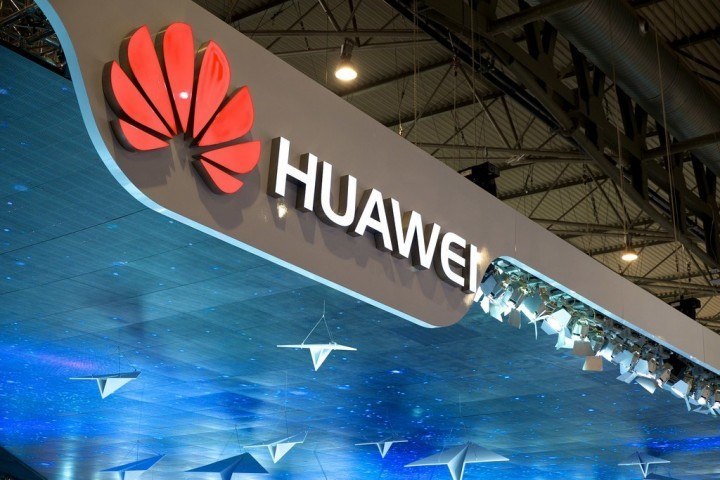
Photo credit Kārlis Dambrāns.
The Journal’s article on Wednesday said that Huawei employees in the two African countries were involved with government cybersecurity forces in helping intercept communications and tracking opponents’ social media activity and physical movements.
In the letter, Huawei lawyer Steven Friedman said “The article is neither a fair nor a responsible representation of Huawei’s legitimate business activities in these countries.”
“The publication of these false statements has and will continue to damage Huawei’s reputation and business interests across the globe,” he wrote.
The Journal also reported that Huawei technicians helped Zambian authorities spy on opposition bloggers running a news site critical of President Edgar Lungu.
Dora Siliya, a Zambian government spokeswoman, criticized the news report in a tweet on Friday.
“The WSJ article on government spying on political opponents is malicious, we refute it with the contempt it deserves,” she wrote.
Uganda also denied the allegations, other news outlets reported on Friday. According to The Journal, Huawei employees helped Ugandan authorities use spyware to disrupt the concerts of Bobi Wine, a popular musician who is now a member of parliament.
Wine, whose real name is Robert Kyagulanyi, is preparing for a presidential run in 2021 to challenge President Yoweri Museveni.
“It is totally false to claim Huawei helped African governments, among them Uganda, spy on its political opponents,” Ugandan presidential spokesman Don Wanyama told Agence France-Presse. “Why spy on Bobi Wine?”
Huawei, the world’s second largest smartphone maker and a leading 5G technology developer, has been in the spotlight since the US-China trade war began more than a year ago.
The company’s development of next generation wireless communications has made it a crucial player in China as the country attempts to achieve global dominance in critical technologies.





Stay updated on the go with our mobile app.
Get latest insights with smoother, more personalized experience through TIA mobile app.