Zheping Huang · · 9 min read
Inside the rise and fall (and rise?) of crypto-mining giant Bitmain
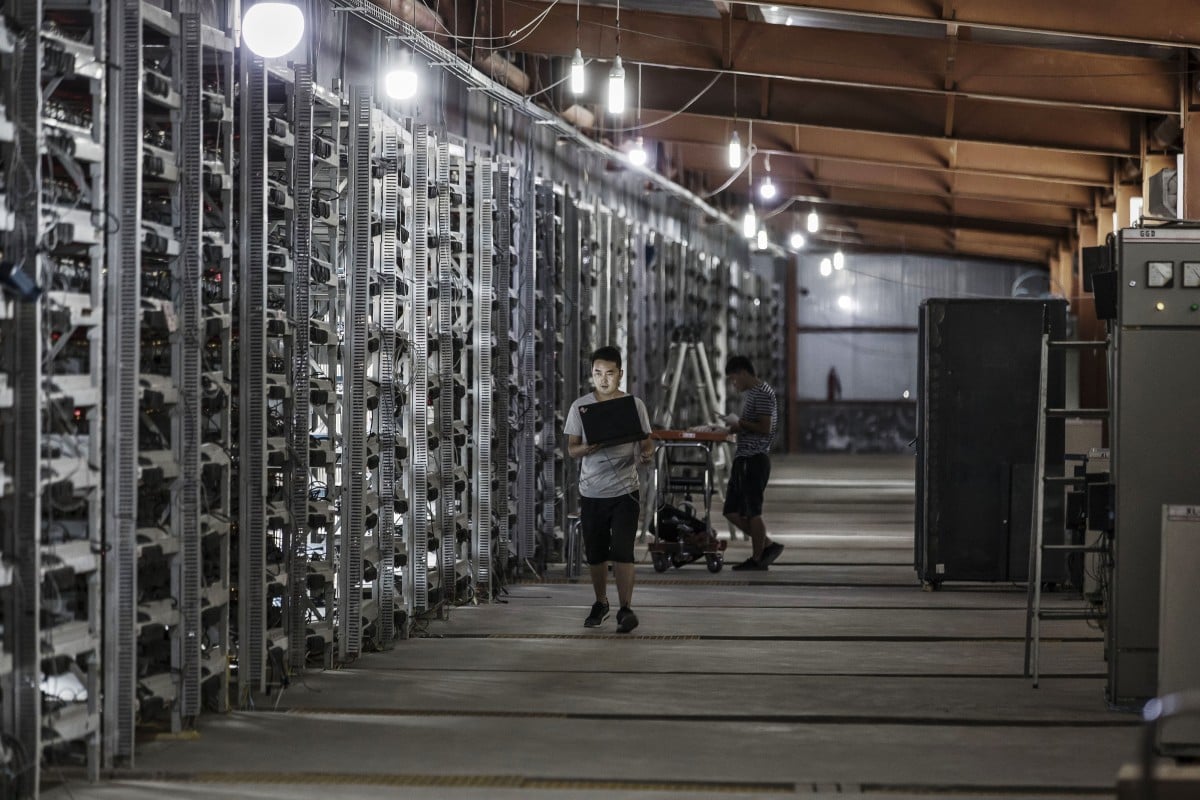
Technicians inspect bitcoin-mining machines at a facility operated by Bitmain Technologies in Ordos, Inner Mongolia, China. / Photo credit: Bloomberg
The world’s biggest cryptocurrency mining company is going through tough times. But a code change in bitcoin might come to the rescue, again.
Beijing-based Bitmain Technologies on Tuesday called off its plan to go public in Hong Kong after its application lapsed after six months. The failure of what was billed as potentially the world’s largest crypto-related IPO adds to news of retrenchments. A new CEO has been appointed to replace the two main founders, who had previously shared the role.
Hope for Bitmain lies in the next bitcoin halving in May 2020, a preconfigured algorithmic event that cuts the reward for mining bitcoin in half every four years or so and is designed to cap the digital money’s supply. If history is any guide, bitcoin typically rallies in the lead-up to a halving, spurring demand for the specialized computers used by hobbyists or businesses to validate transactions and earn new coins.
Bitmain is now betting that its next flagship product – scheduled to be released by the end of this year – will turn out to be a winner in the mining gear market, capturing an expected rally, according to a company source with knowledge of the plan.
It was the same strategy that Bitmain pulled off in 2016, the person said, when the company launched its Antminer S9 model on the eve of bitcoin’s last halving. In the following year, the S9 accounted for an estimated 60% of shipments among all bitcoin mining hardware.
The South China Morning Post spoke to over a dozen people close to Bitmain, including former and current employees, as well as business partners and a rival, for a sense of how one of the world’s most low-profile cryptocurrency companies blew billions of dollars in funds raised before being forced to rein back its ambitions.
Bitmain declined to comment on most of the details in this story, but referred to its previous statements about the company’s adjustments.
Aside from betting on the new product, Bitmain is being forced to let go of asset-heavy or unprofitable businesses – such as mining farm constructions – to survive the prolonged bear market. This is in stark contrast to wild expansion when times were good. Bitmain’s new CEO, Wang Haichao, will have the difficult job of leading in a firm divided.
A little history
Bitmain was founded in 2013 by Micree Zhan Ketuan, a 40-year-old chip expert, and Wu Jihan, 33, who was then in private equity. Zhan has a 37% stake in the company, compared to Wu’s 21%, according to its IPO filing. By last August, Bitmain had completed three funding rounds worth a total of US$785 million, with participation from big-time investors including Sequoia Capital China and Singapore’s state-owned investment firm Temasek.
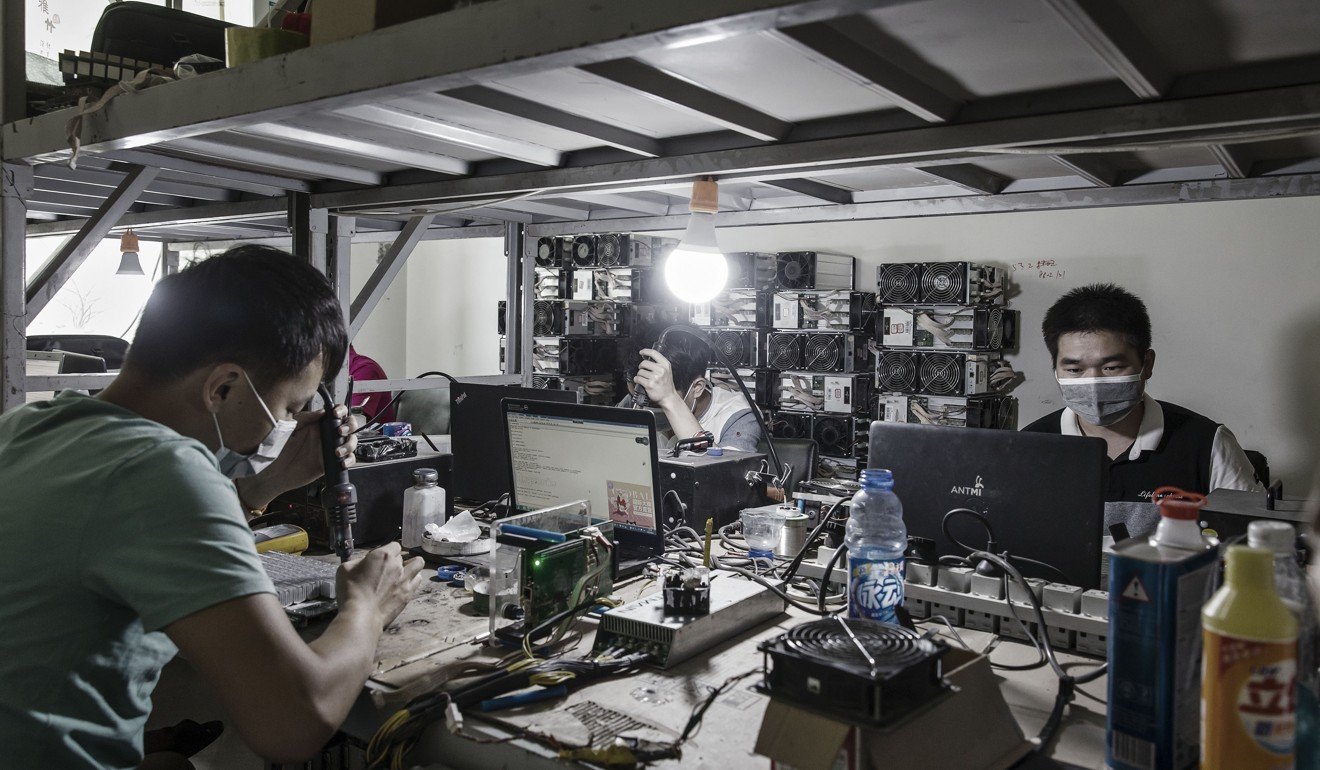
Technicians make repairs to bitcoin-mining machines at Bitmain’s facility in Ordos, Inner Mongolia, China. / Photo credit: Bloomberg
At its start, Bitmain’s business was simple, with Zhan leading the design of specialized chips for bitcoin mining, and Wu taking care of the business side. Zhan’s first mining rig, the Antminer S1, soon took off, which helped Bitmain ride a bull run in bitcoin in late 2013 and survive the subsequent crash.





Stay updated on the go with our mobile app.
Get latest insights with smoother, more personalized experience through TIA mobile app.