As the ecommerce market continues to evolve through research and client work we have put together the key elements of change for 2016 and how brand’s need to think to succeed in new customer acquisition.
Positioning mobile into the centre of the ecommerce strategy

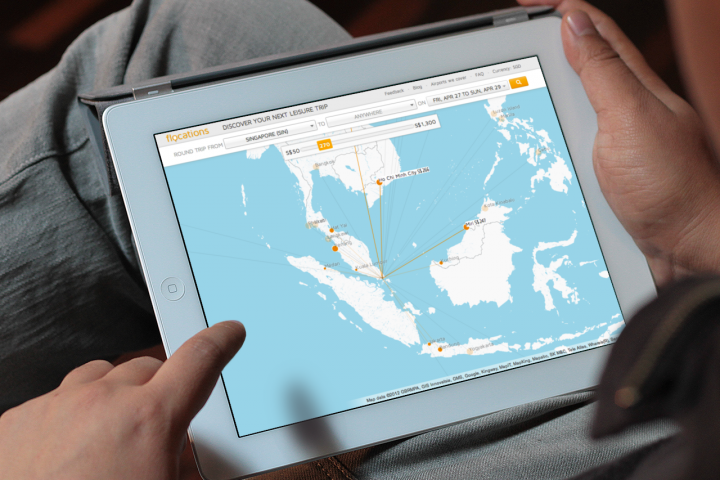
As mobile penetration grows rapidly in Southeast Asia, the first 6 months of 2015 experienced a 27 percent share of all online sales made on a mobile device which is a significant shift towards m-commerce and is progressive versus the global figure of 35 percent.
The above demand has created increasing pressure for advertiser’s to shift their digital media budget to allocate more to mobile campaigns including the build of applications.
However, in order to accelerate this change in buying behavior we predict that brands will expand the use of “mobile exclusive promotions” incentivizing customer’s to take discounts only found in-app (e.g. 10 percent of your first mobile purchase when you download the app).
Taking advantage of a customer that prefers to shop through their mobile phone app and leveraging their base is where Expedia and Lazada have found success.
From an agency and advertiser point of view, the impact will be that dynamic mobile retargeting will grow simultaneously providing another large contribution to programmatic buying.
More payment options and improved delivery

Across APAC eMarketer data shows us that 30 percent of customer’s abandon a shopping cart because their preferred payment option was not offered.
Despite growing credit card adoption in Southeast Asia the low level of credit card penetration has forced brands to innovate the traditional model of buying online and offer cash on delivery and in some cases paying in-store.
According to Nielsen 60 percent of Malaysian consumers say their preferred payment method in daily spending is cash instead of card. In order to meet this preference Tesco’s in Malaysia which is a Maxus client allows customer’s to shop for their groceries online and then pay using cash to the delivery person at the door.
Growing middle class and impact on the millennial shopper





Stay updated on the go with our mobile app.
Get latest insights with smoother, more personalized experience through TIA mobile app.