Lucas Chua is a freelance consultant with extensive E-commerce experience in Singapore. When he was 16, he sold limited edition Nike sneakers on eBay. He has previously worked with several top blogshops for more than 2 years and interned at Zalora.
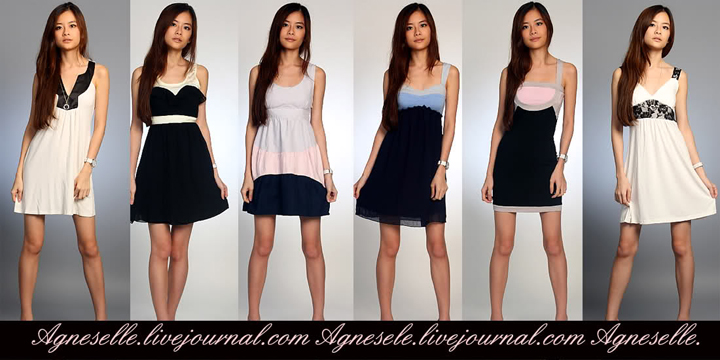
Image credit: www.agneselle.com
It is not known who first created the word blogshop or started the first ever blogshop in Singapore, but blogshops have become a huge phenomenon in Singapore, with four of the country’s ten most-searched stores being blogshops. A blogshop is an online fashion store that uses a blog such as Livejournal to conduct business online. Blogshops usually sell women’s clothing and accessories for affordable prices ranging from $12 to $30.
Origins of Blogshops

Blogshops – Love Bonito, Agneselle, Hollyhoque, Dressabelle
In the early years of the blogshop industry (2006-2008), the owners were young females aged between 16 and 20. Most of them were still in school and didn’t start out with the aim of being entrepreneurs. Many thought it was a fun and easy way of selling off their secondhand apparel online, and the money earned from these sales would go towards funding their future fashion purchases.
After a few months, some realized the potential of fashion e-commerce and the huge market of customers who were willing to spend between $15 to $40 for a piece of clothing online without needing a physical fitting. Looking to fulfill the demand of their customers, these owners went to source from apparel importers at City Plaza in Singapore and some even went on frequent sourcing trips to Bangkok to bring back large supplies of cheap clothing.
How do they sell clothing on blogs?
It seemed questionable to start a business using Livejournal blogs with the lack of a proper web framework, inventory control, checkout and payment processing systems. But these young female entrepreneurs were not deterred and came up with various unique hacks. The four points below were crucial factors that contributed to the success and popularity of blogshops in the competitive e-commerce industry:
1. Weekly time-specified launches
As a small business starting out, it would be difficult to stock up clothing in hundreds of different designs without incurring large expenses of warehouse storage cost and labour costs. Instead, blogshops introduced a series of five to ten different designs with limited availability in the form of a themed collection format. The collection would launch weekly at night between 7pm and 10pm, and customers were informed through email newsletter a few days before the actual launch.
2. Backorders
Backorders were available a few days after a successful selling out of a collection launch; it also gave those customers who missed out on the launch an opportunity to purchase sold out designs. It was guaranteed income for the owners, as customers would need to pay upfront to purchase sold out designs that were on backorder. Backorders would take two to six weeks to arrive before they were shipped to customers. The amount of designs available on a backorder was an indicator of the popularity of a blogshop.
3. Gmail





Stay updated on the go with our mobile app.
Get latest insights with smoother, more personalized experience through TIA mobile app.