Every day, 100k+ smart people read our newsletter. You can sign up here.
Dear readers,
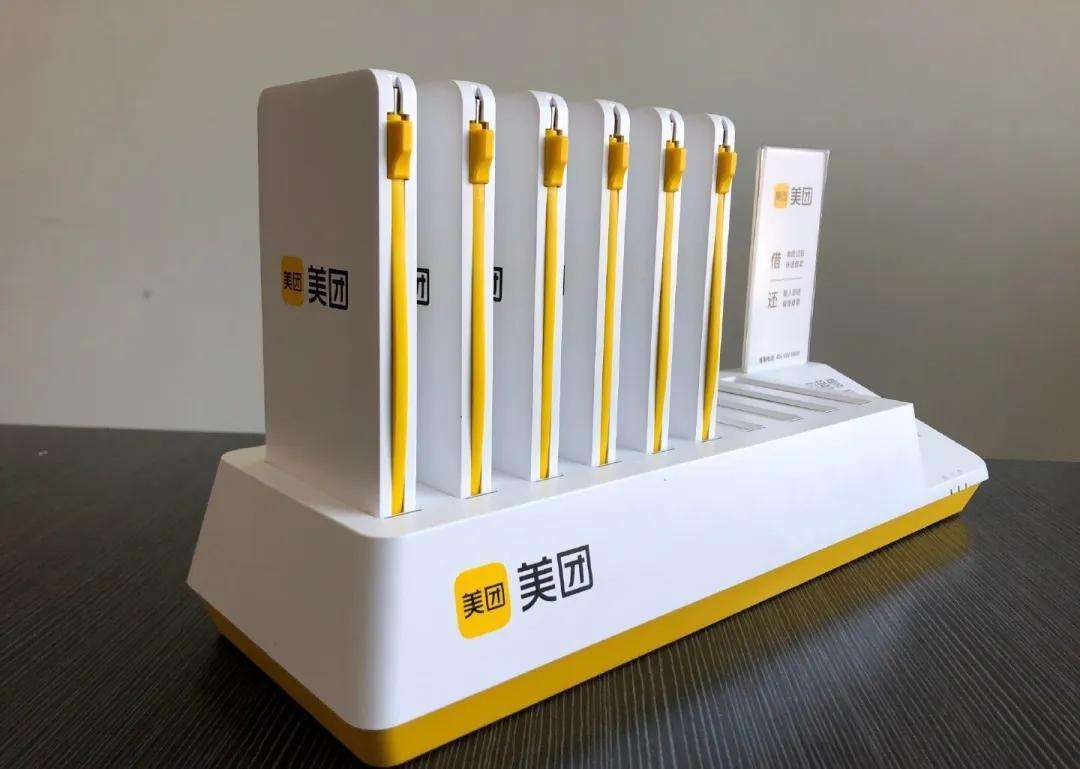
A powerbank rental service is probably one of those divisive ideas: It’s either regarded as brilliant or foolish.
For a while, people were heaping scorn on it, with a son of a Chinese billionaire even promising to eat poop 💩 if the idea ever took off in China. He’s since deleted the social media post. Another indicator is how Meituan-Dianping, which bowed out of the space some years ago, has jumped back in.
Let’s say you want to start a powerbank rental business in Southeast Asia. Will it work? We did a deep dive to find out if it’s viable in the region.
⇒
Our report, covers:
- Unit economics with scenario analyses
- Total addressable market (TAM)
- Market opportunity and challenges
My own interpretation of our report is yes, you can certainly make money from this concept.
As a founder, you should take note of these points:
- The trend is likely in your favor, particularly if 5G gets widely adopted, because that means future phones will consume more power. But you have to pray that battery tech doesn’t improve as much.
- Unit economics is sound and it’s possible to stay lean and profitable. After all, market leaders in China reached profitability within three to four years.
- To reach the top, you need FOMO to kick in. If investors in Southeast Asia are rushing in to invest in powerbank-sharing startups, it will help educate the market. But it will also give rise to a lot of competitors.
- To get started, you’ll likely need to focus in a dense city and flood it with your powerbank charging stations. One common user frustration is not having enough stations that allow them to borrow and return power banks conveniently.
- To survive, you need to stay lean and aim to be acquired by a larger player or strategic partner. Jumei, one of China’s leading online retailer of beauty products, acquired Jiedian Technology in August 2017.
- If you are good at fundraising, then that could be the path for you. But even if you can kill the competition with capital, you still need healthy unit economics. Otherwise, you’ll look stupid when compared to your China counterparts.
- A gentle reminder that the first is not necessarily the best. Monster Energy, which has raised the lion’s share of funding, was only founded in May 2017. Monster Energy, Jiedian, and Xiaodian have about the same market share, collectively taking up over 80% of the pie.





Stay updated on the go with our mobile app.
Get latest insights with smoother, more personalized experience through TIA mobile app.










📅 Upcoming Events
22 October 2026
Payoneer x CSPN Summit 2026