- Premium Content It takes our newsroom weeks - if not months - to investigate and produce stories for our premium content. You can’t find them anywhere else.
 Terence Lee · · 17 min read
Shared powerbanks: A billion-dollar opportunity or fool’s gold?
This story is a joint effort by Stefanie Yeo, Nicole Jao, Willis Wee, Maria Li, and Terence Lee.
The best startup ideas often sound stupid. Even Y Combinator founder Paul Graham was wrong about Facebook. “One of my most valuable memories is how lame Facebook sounded to me when I first heard about it. A site for college students to waste time? It seemed the perfect bad idea,” he recalled in a post.
A powerbank rental service probably belongs in that category: It’s either a brilliant or foolish idea. For a while, people were heaping scorn on it, with a son of a Chinese billionaire even promising to eat poop if the idea ever took off.
He’s since deleted the social media post where he made that declaration, and it’s a good thing he did. The shared powerbank sector in China is now a US$1.1 billion market, and the devices have become commonplace in malls and restaurants all over the country. Even Meituan-Dianping, which bowed out of the space some years ago, is jumping back in.
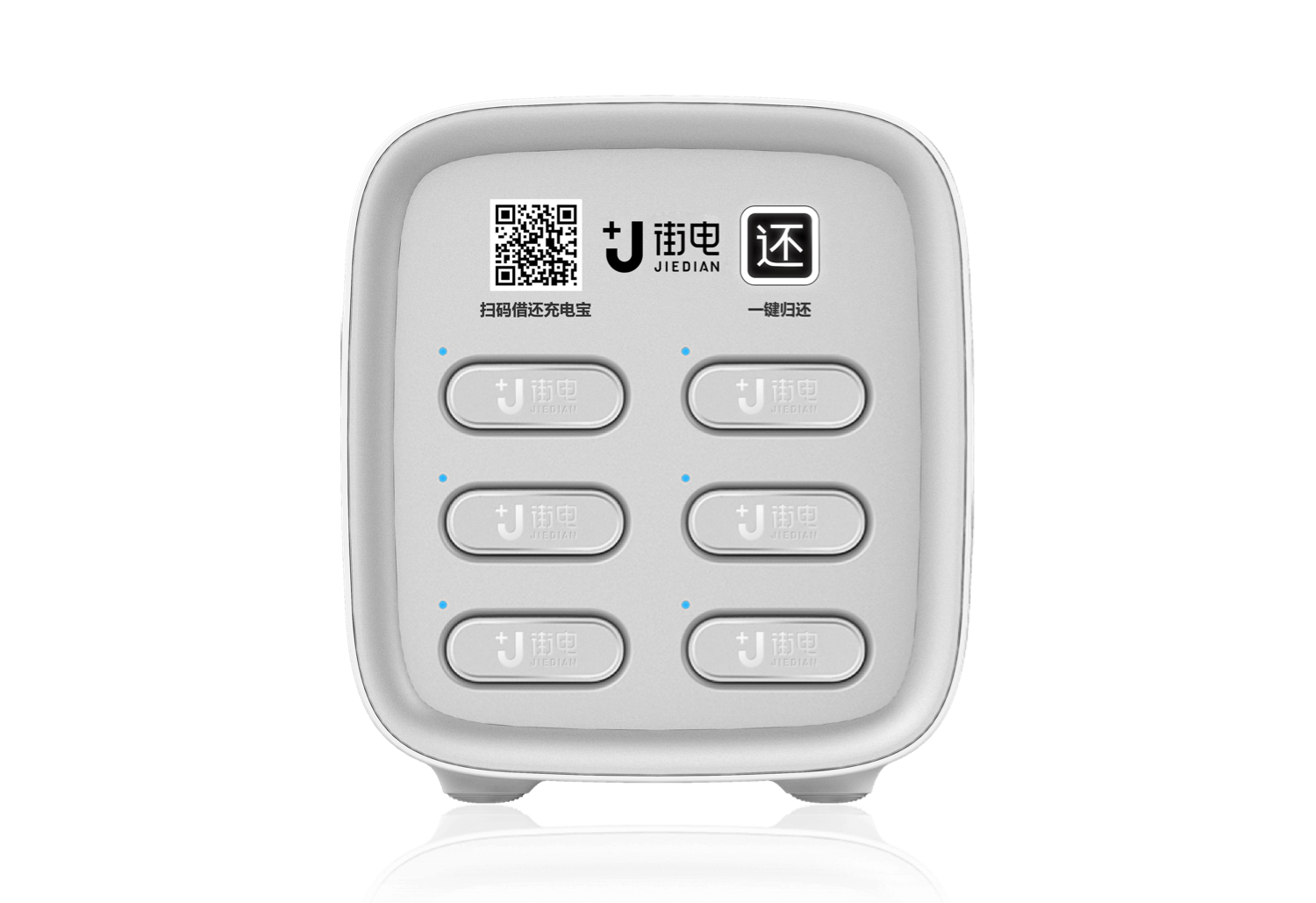
But will this be a lucrative opportunity in Southeast Asia as well? Does it make sense from a financial standpoint?
In this report, Tech in Asia explores in detail the pain point that the model is solving as well as its unit economics and market opportunity. We believe there’s more to it than meets the eye.
Why do shared powerbanks matter?
We can all relate to the problem of having our smartphones run out of juice. To prevent this from happening, we carry around powerbanks, cables, and wall chargers – sometimes all at once – to ensure that we’re never caught unawares.
That being said, poor battery life is still a reality because batteries have not changed much since the days of the Nokia 3310, which was launched in 2000. Even as our phones have gotten smarter and faster, what powers them has remained largely the same.
Lithium-ion batteries, which are rechargeable and typically used in consumer electronics, will continue to power most of our devices. Mahdokht Shaibani, a research fellow at the Monash University’s Department of Mechanical and Aerospace Engineering, believes that in the next five to 10 years, “we will continue seeing lithium-ion batteries in portable electronics such as smartphones.”
Shaibani is just one of the many researchers looking to unearth the next stage of battery tech. But even though there has been a lot of work done in the field, it’s unlikely that a huge breakthrough will come to the market in the near future. And with the advent of 5G networks, which consume more power than 4G, any advancements on battery life could be canceled out, anyway.
As such, we probably won’t be leaving the powerbanks and charging cables at home anytime soon.
On the surface, shared powerbanks don’t make sense – after all, the devices are relatively inexpensive, and you likely have several lying around at home already.
But with the sharing model, people don’t have to worry about charging their powerbanks and carrying them around – they can just pick one up from a charging station whenever the need arises and drop them off at another station when they’re done with it.
Rise of shared powerbanks in China
Powerbank sharing in the rest of Asia
Unit economics
Market opportunity
Challenges
Prospects
Billion-dollar opportunity
Stay ahead in Asia’s tech landscape
This is premium content. Subscribe to read the full story.
Shared powerbanks, previously derided as a failed startup idea, is seeing a resurgence in China. Tech in Asia examines whether this concept will take off in Southeast Asia.
We know this is not ideal. ⌛ Sign up in 20 seconds. Cancel anytime.
Our subscriber community includes professionals from these companies:





Stay updated on the go with our mobile app.
Get latest insights with smoother, more personalized experience through TIA mobile app.








📅 Upcoming Events
22 October 2026
Payoneer x CSPN Summit 2026