 Jum Balea · · 2 min read
After a clash with regulators, Uber halts service in the Philippines
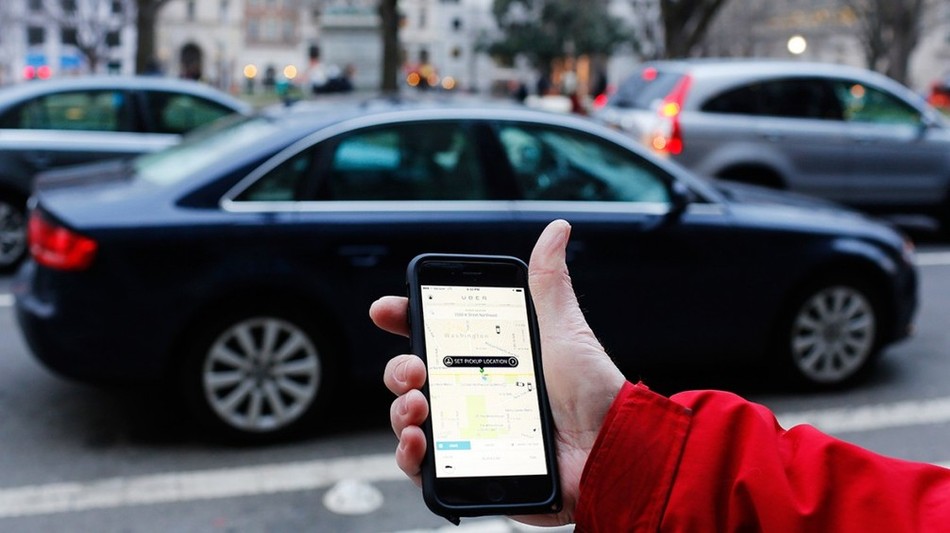
Photo credit: Mark Warner.
Uber has temporarily gone offline in Manila after regulators rejected its appeal of a one-month suspension order against it.
On August 14, the Philippines’ Land Transportation Franchising and Regulatory Board (LTFRB) ordered Uber cars off the road. While the ride-hailing company complied at 6am of August 15, it was running again hours later after it filed an appeal.
But the LTFRB rejected its plea on the same day, forcing Uber to stop picking up rides again.
“We are disappointed with the decision,” the company said. “We look forward to urgently resolving this matter.”
The LTFRB slapped Uber with a suspension after it supposedly disregarded its July 26 order not to accept and activate new drivers onto its platform. It also urged the firm to compensate affected drivers.
Uber was caught between a rock and a hard place – complying with the order could impact its revenue and efforts to grow market share, while doing otherwise further sours its fragile relations with authorities. Uber is reported to have around 66,000 vehicles in its Manila network, against rival Grab’s more than 52,000.
Earlier, Uber and Grab were each fined nearly US$100,000 for allowing some drivers to operate without permits. The LTFRB has stopped issuing new driver permits since July 2016.
With Uber off the road, albeit temporarily, Filipino commuters are down a transportation option, which means competitors like Grab could see a spike in demand, forcing fares to rise.
In a statement, Grab Philippines head Brian Cu said, “We ask the patrons of ride-sharing to bear with us as there has naturally been an increase in bookings made on the Grab platform.”
Amidst this “challenging period,” Cu said Grab has made the needed adjustments to make it less difficult for passengers like adjusting its fare matrix to be capped at 1.4x. “The threshold for surge to take effect has been regulated to control fares.”
The LTFRB has also issued a resolution allowing Uber drivers to transfer to other ride-hailing platforms. “In accordance to the LTFRB’s order, we will accommodate [drivers] who want to join Grab’s platform so long as they abide by requirements clearly stated in the order and the company’s policies,” said Cu.
(Update on August 17: Added new developments to the story, as well as Grab’s statement.)
Editing by Terence Lee and Michael Tegos





Stay updated on the go with our mobile app.
Get latest insights with smoother, more personalized experience through TIA mobile app.








📅 Upcoming Events
22 October 2026
Payoneer x CSPN Summit 2026