Mobile payments are so popular in China that some shops have started accepting only electronic money. Now they’ve been told to stop.
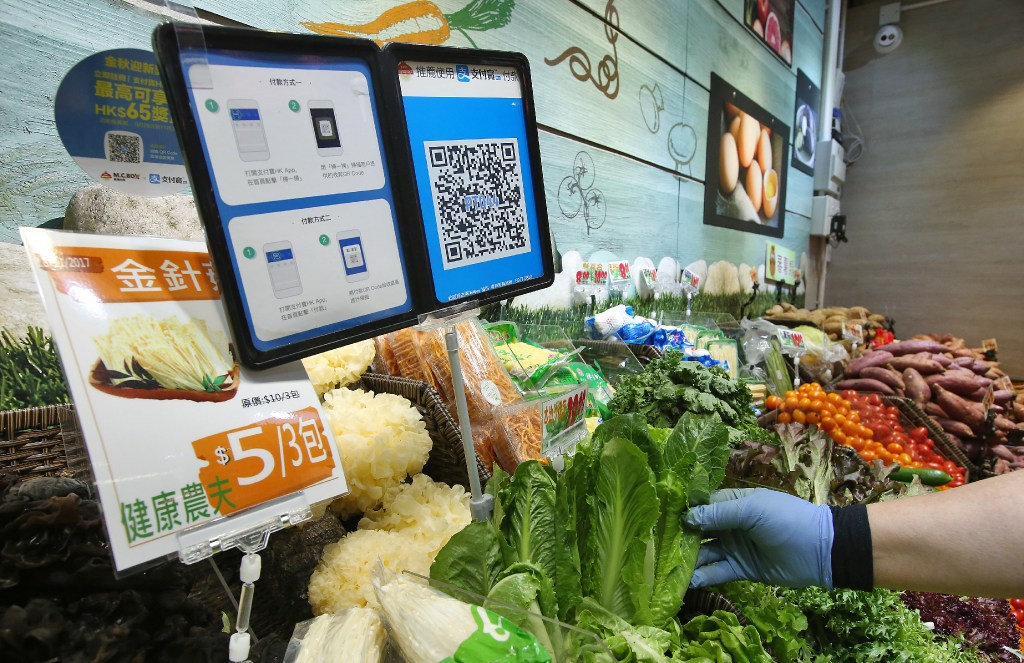
Since July, China’s central bank has dealt with 602 cases involving merchants rejecting cash payments, including Alibaba’s Hema Supermarket. The “new retail” chain lets shoppers scan goods with their smartphones to see more information and pay for their purchases with the Hema app.
Alibaba boasts a more efficient and “seamless blend of online and offline shopping experience.” But consumers complained to the central bank’s Shanghai branch that they were told they couldn’t pay with cash at all.
Following the central bank’s order, the Hema stores in question have reportedly started accepting cash again. We reached out to Alibaba for more details but didn’t receive an immediate response.
WeChat and Alipay jointly hold over 80 percent of China’s mobile payment market. / Photo credit: SCMP
China’s fast and large-scale adoption of mobile payments has brought convenience to millions of people, including fish vendors and beggars. Some 89 percent of the population in China reportedly use Alipay and WeChat Pay when shopping offline.
But it’s also been a pain for people less accustomed to new technology. In September, a 67-year-old man was involved in a quarrel in the northern province of Heilongjiang after a shop refused to take his cash as payment for grapes.
“I was using real renminbi, not fake bills. Are they humiliating me for not knowing how to use WeChat?” the man yells furiously in a video, which was widely circulated online.
WeChat is omnipresent in China. With more than 1 billion monthly active users, the Tencent app lets people chat, pay bills, play games, shop, and access government services without ever leaving the app.
But he is not alone. It’s estimated that more than 30 percent of people born in the 1950s are having difficulties trying to pay in cash.
China’s central bank has started cracking down on merchants who have refused to accept fiat money, saying that it damages consumer rights and the renminbi’s legal status. It also warned against “overhyping” the concept of a cashless society. Last month, the central bank said that merchants who are found to have rejected cash will receive bad credit scores.
Note: Abacus News is a unit of the South China Morning Post, which is owned by Alibaba.
For more on China tech, visit abacusnews.com or subscribe to the newsletter via abacusnews.com/newsletter for the latest China tech news, reviews and product launches.





Stay updated on the go with our mobile app.
Get latest insights with smoother, more personalized experience through TIA mobile app.