 Winston Zhang · · 6 min read
How to navigate sea changes with Kelyn Koh, head of Tech in Asia Studios
Change is the only constant, and nowhere is that more evident than in the tech world.
Amid the Covid-19 pandemic and a funding winter, priorities have shifted from spending freely to chase capital and high valuations to focusing on profitability and long-term sustainability.
In Tech in Asia’s neck of the woods, the impact of this parsimony is most apparent in branded content and events.
“The change in spending power has had an effect. People aren’t willing to experiment; they only want to spend on proven and tested solutions that will guarantee a good ROI,” says Kelyn Koh, head of Tech in Asia Studios, which works with clients to help them reach their business and communications goals.
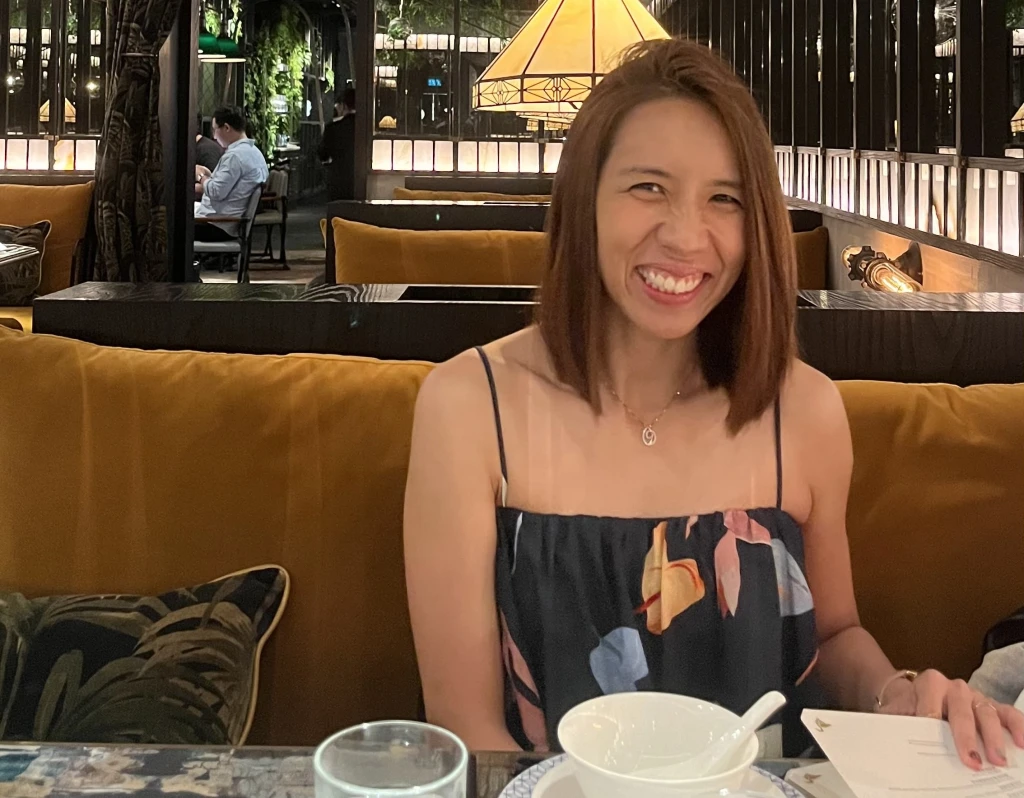
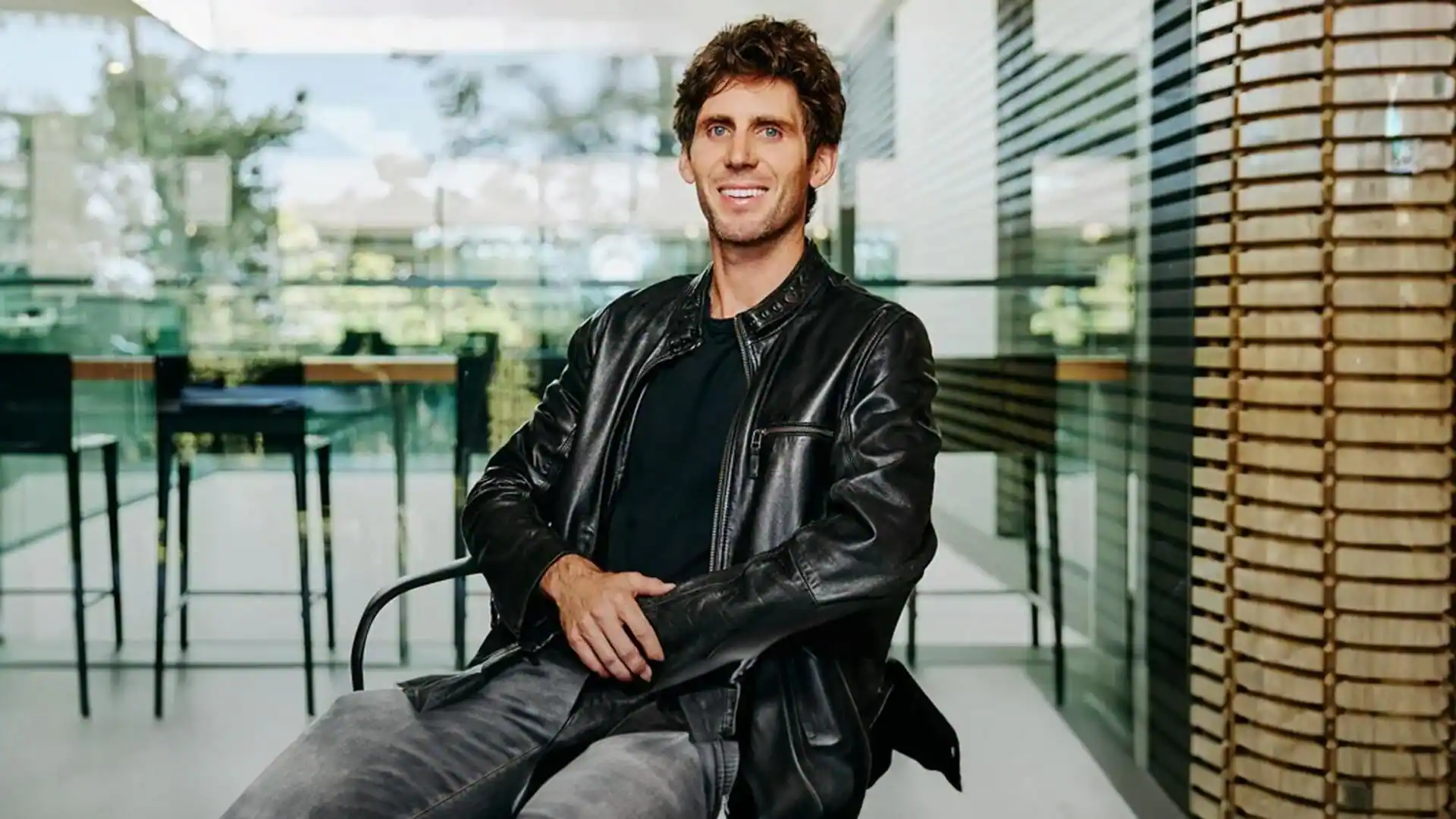
Kelyn Koh, head of Tech in Asia Studios / Photo credit: Kelyn Koh
Constant changes can be tough to navigate, but the Studios team understands that it’s simply a matter of staying nimble and adapting – a mentality that’s instilled and embodied by Kelyn herself.
Pivot to a pivot
Kelyn’s time at Tech in Asia has been defined by change. She was initially a part of the events team, but Covid-19 hit not long after she joined, forcing a drastic shift to online-only events.
“Much of the job scope that had been discussed and agreed on in my interviews became irrelevant,” she recalls.
Planning and executing new activities in response to the pandemic created a challenging environment, but it became more difficult when the events team lead left just two months into Kelyn’s time at Tech in Asia.
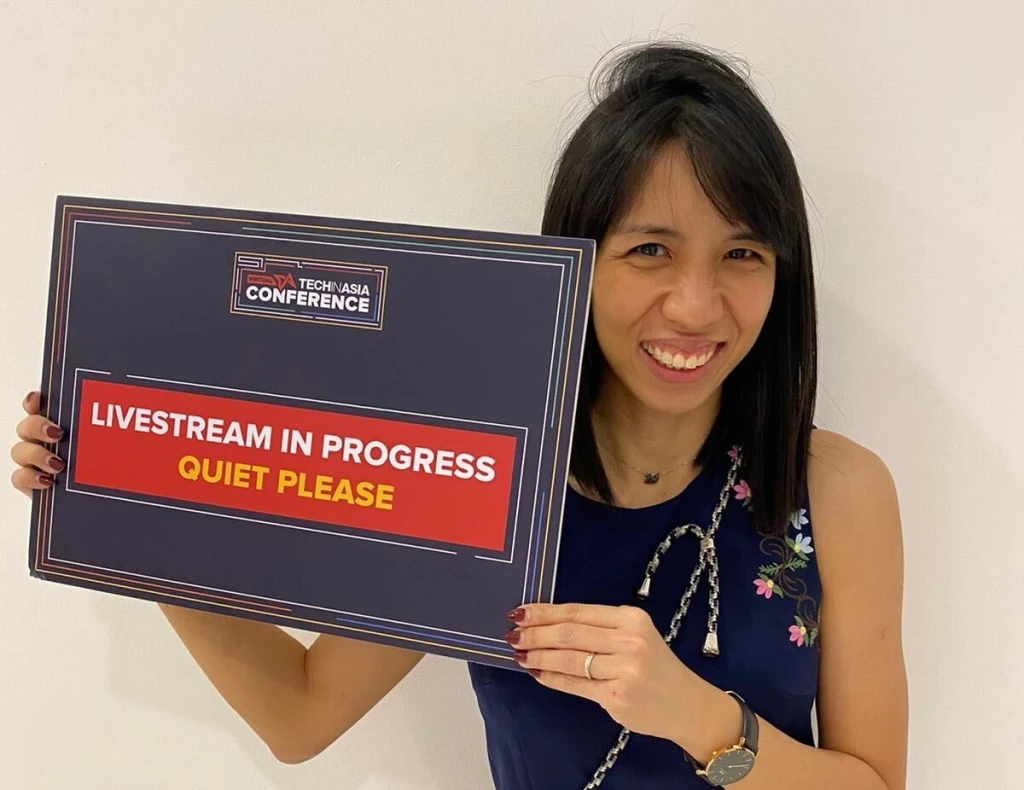
Kelyn at the 2020 Tech in Asia Conference, which went virtual for the first time. Photo credit: Kelyn Koh
As such, she needed to learn new operational and technical details on top of dealing with the usual issues that come with event management. However, the team figured out how to make things happen together, and the unexpected and unwanted change led to positive experiences.
But wait, there’s more.
“Six months into the job, our COO Maria Li asked if I was open to officially leading the events team,” Kelyn says. “I was surprised – I was still really new to the company. But I decided that I wouldn’t know if I didn’t try.”
This resulted in a relatively stable period at the helm of the events team, although it wasn’t without its hurdles. For one, continuing pandemic restrictions meant that Kelyn wouldn’t even meet her Indonesian teammates until a full two years after she started working with them. This was practically unheard of for a role that’s so people-centric.
“Leading the events team was something I really enjoyed – my team had great people. I took a chance, and it worked out,” she says.
Head of Studios
As events lead, Kelyn got to work with many people from different teams across Studios. In doing so, she found out how each group worked, how to communicate with them, and how to get them to collaborate.
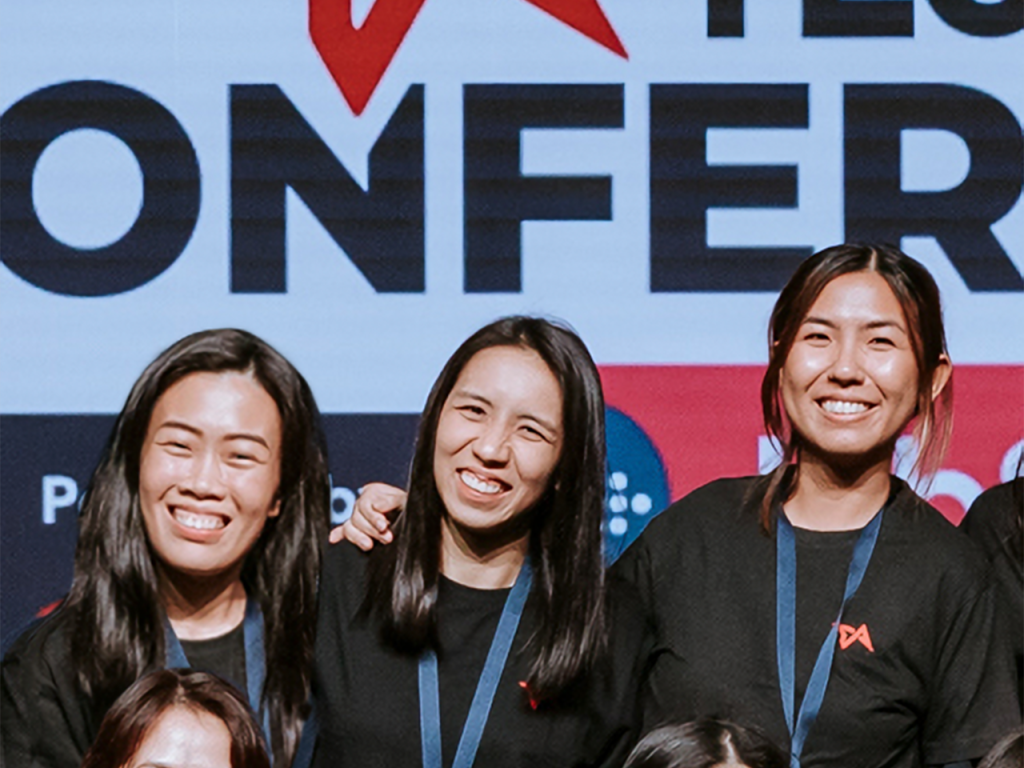
(From left) Jasmine Teo, Kelyn Koh, and Eng Zhiting / Photo credit: Tech in Asia
At first, this versatility seemed like a kind of weakness. “I didn’t want to be a jack of all trades, master of none,” she says.
But it was precisely this ability to connect the dots that convinced Tech in Asia’s upper management to offer her a new opportunity after two and half years of leading the events team: becoming head of Studios.
“It was pointed out to me that I could see the big picture and act in the best interests of Studios and the company as a whole,” she recounts.
Even though she was adept at adapting to change by now, making this leap meant that she had to get used to a whole new set of demands, both practical and mental.
“Not every day is a great day; some days, I wake up feeling nervous or anxious. But as a leader or manager, I think it’s important to be able to channel those emotions into something productive,” she says.
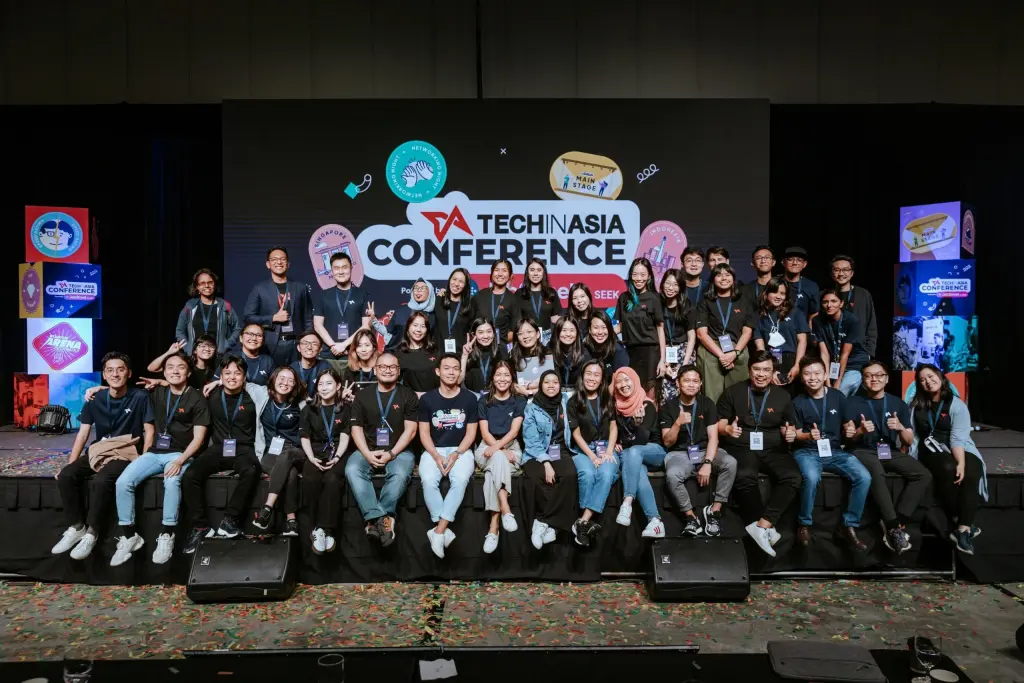
The Tech in Asia team at the 2022 Tech in Asia Conference / Photo credit: Tech in Asia
Ultimately, “something productive” meant changing the focus of Studios’ efforts and how the team functioned. As market demand for direct leads went up, the group had to double down on events and deprioritize branded content, even though it had traditionally been Studios’ bread and butter.
“Much as our history and expertise laid in that, we couldn’t ignore what customers were saying and just stubbornly stick to our guns,” Kelyn points out.
This new direction was taken after some brainstorming by Studios’ team leads, who then shared the ideas with their groups. Everyone had the opportunity to evaluate and rank the suggestions based on the potential impact and feasibility, and the best proposals were acted on.
Kelyn cites this approach as an example of how Studios has evolved organically, and not just via a directive from the top. “When people are aware of the hows and whys of a situation, it’s easier for them to trust and commit to the work they’re doing,” she says.
Additionally, every decision is made after studying data. For events, Studios uses the net promoter score to track attendee satisfaction. Revenue numbers and client feedback are key for commercial matters while for content, page views, and clickthrough rates guide creative output.
“We’re always looking to better the numbers we achieve at every opportunity. That’s what keeps us humble and engaged,” Kelyn explains.
A whole new world
All these factors led to the decision to hold five major events this year. In addition to the existing Product Development Conference, SYNC, and flagship Tech in Asia Conference in Jakarta, the company made plans to debut in Vietnam and Malaysia.
The Saigon Summit in May was the first roll of this new set of dice.
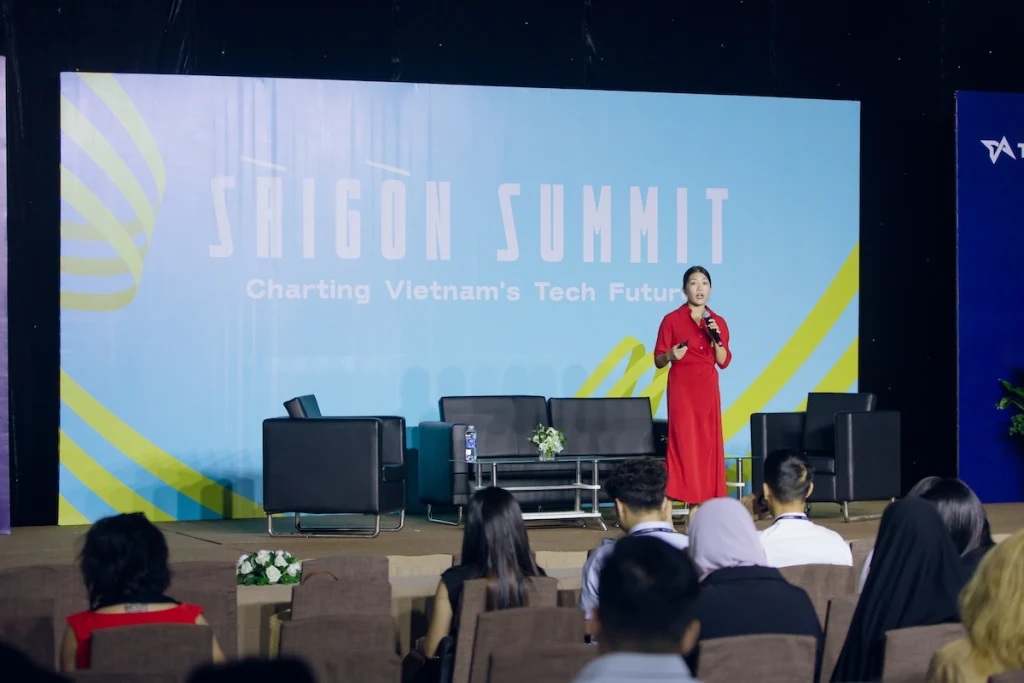
Tech in Asia COO Maria Li opening our inaugural Saigon Summit / Photo credit: Tech in Asia
“Since this was our first event of this scale in Vietnam, we didn’t have much internal data on the kinds of revenue or attendee numbers we could expect,” Kelyn shares. “Our decision to go ahead with it was based on doing the groundwork, talking to clients and local connections to understand the appetite for such an event, and making a judgment call.”
It was an encouraging first step: Saigon Summit handily exceeded its ticket sales goals, and the participant feedback has been largely positive.
What’s next?
Despite all the transitions and early successes, Kelyn’s vision for the future of Studios is far from complete.
“There’s a strong appetite from the regional tech and startup community, looking at us to host more events, put out more content… We might even do things in markets we haven’t been to before,” Kelyn says.
She also notes that demand for branded content has picked up recently, climbing alongside – not in place of – the clamor for events and sponsorships. While there’s still much to unpack and strategize in terms of how best to sell and execute, these are promising signs.
Kelyn has noticed a gradual shift in attitudes as well, with industry folks now more forward-looking and excited about the growth opportunities that 2025 can bring.
Closer to home, the vision is clear.
“I would like people to think of us as the or one of the media companies for tech and startup content and events,” Kelyn affirms.
“I want them to innately know that Tech in Asia does good work that effectively serves the needs of the community.”
Similar to how Kelyn has guided Studios through rough waters to focus on a new vision, Tech in Asia Studios assists partners in establishing thought leadership and nurturing valuable connections within the ever-changing tech ecosystem. Fill up the form below, and we can begin helping you achieve your strategic communications and business goals.
Stay updated on the go with our mobile app.
Get latest insights with smoother, more personalized experience through TIA mobile app.
Recommended reads
 The event size dilemma: When to go big or small
 Shein’s style under strain
 Carro expands Down Under
 Vertex Holding’s CEO on the lost art of killing bad ideas
 Maybe we’re the ones in a bubble
 Superintelligence vs. super resilience
 Firing fast is the secret to building top sales teams
 Sequoia partner highlights Elon Musk’s hidden genius
 Southeast Asia’s tech story has always been more than just code
 Missing TIA Conference 2025 is a bad idea





Editing by Eileen C. Ang
(And yes, we’re serious about ethics and transparency. More information here.)






📅 Upcoming Events
22 October 2026
Payoneer x CSPN Summit 2026