 Paul Bischoff · · 3 min read
Despite teething issues, this startup aims to be the Instacart of Hong Kong
At first glance, it seems easy to replicate business models that work well in other markets and bring them to your own. Low hanging fruit often attracts startups, but the branch it hangs from might not be so willing to part with its yield.
Sabrina Sakhrani found this out the hard way with her startup, MySnappyCart. The on-demand grocery delivery service set out to be the Instacart of Hong Kong, but the city is proving to be a whole different animal than those tamed in the West.
"We studied Instacart and Redmart," she says. "We’ve taken a bit of both and redeveloped it to our market."
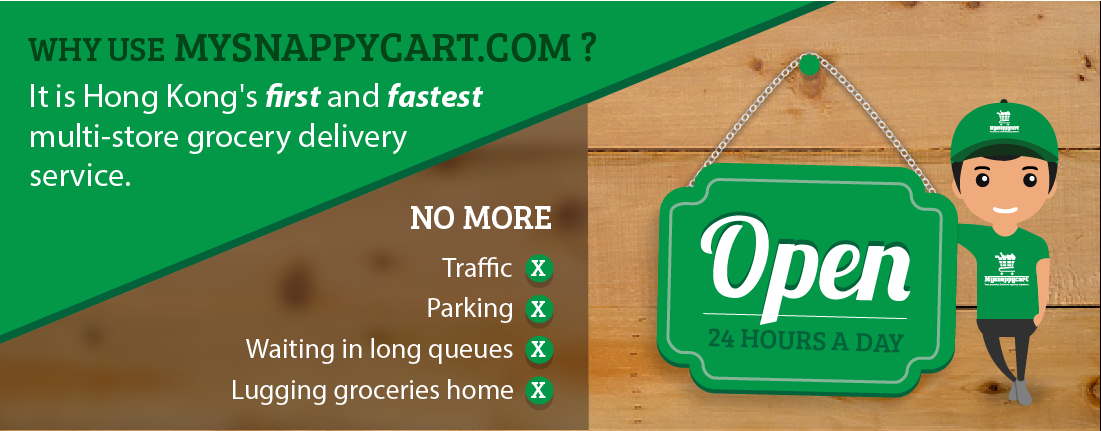
In theory, how it works seems simple enough. A customer places an order via their app or website. Upon confirmation, one of MySnappyCart’s trained shoppers scours nearby supermarkets to pick up the requested items and bring them to the customer’s doorstep within two hours. Currently, MySnappyCart lists about 5,000 products on its website, which it sources from local grocery store chains Wellcome and ParknShop. Customers can also special request items that aren’t listed.
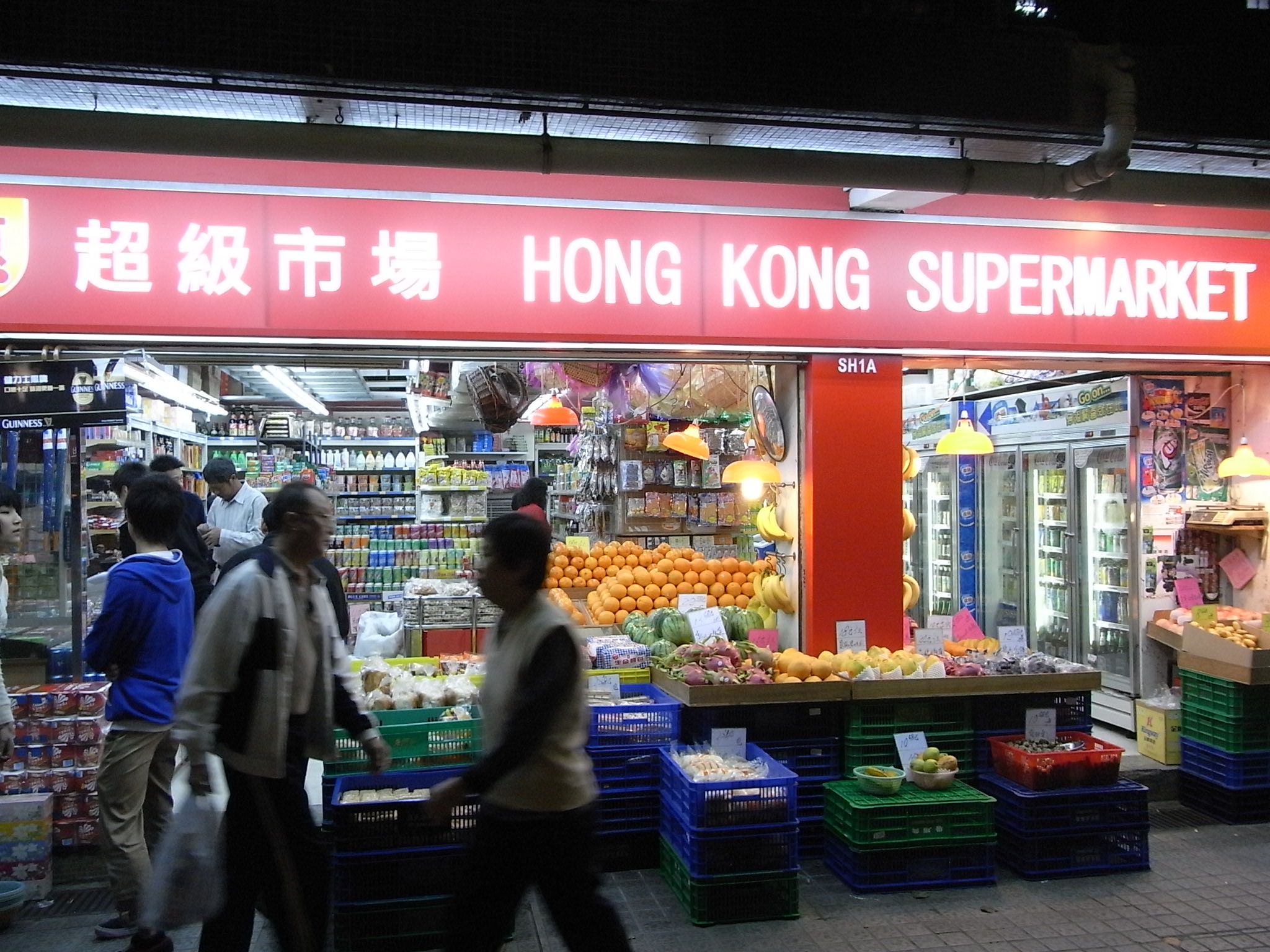
In practice, a number of factors complicate the process. The biggest is inventory. Hong Kong supermarkets are generally very small, which means two seemingly identical stores often don’t have room to stock the same items. "Its quite different than a lot of other cities," Sakhrani says. "One order can require multiple supermarkets, even if it’s the same supermarket chain." That adds to costs.
Because MySnappyCart doesn’t manage its own inventory, it’s impossible for the startup to keep track of what’s in stock. If an item is sold out, the shopper calls the customer directly and offers alternatives.
Sakhrani says that because of Hong Kong’s density, supermarkets are often no more than a stone’s throw away. The average person could easily head to the store and be back within two hours, so MySnappyCart’s appeal differs from Instacart’s, which is based on convenience and time savings. Instead, Sakhrani says, "It’s not a convenience factor, it’s a factor of not knowing where [to find items.]"
MySnappyCart currently employs a handful of full-time shoppers to hunt down items, but it’s expanding the team quickly. Each shopper goes through two days of training, where they practice with test orders and learn to check for mold and freshness. "We really make sure they check the ins and outs of each product for a certain period of time," Sakhrani says.
But getting fresh food during certain time slots is another challenge. If supermarkets restock their fruits and vegetables at 10am, finding fresh blueberries at 9am can be difficult.
It’s an uphill battle, but Sakhrani and team are adapting quickly. The service is proving popular early on; shoppers have crammed schedules and the startup has had to block out certain popular time slots because it is understaffed. MySnappyCart launched mid-April, and the company is completely bootstrapped. It now seeks seed funding to help grow faster and meet demand.
For the time being, MySnappyCart doesn’t have its own logistics network. Sakhrani says she plans on investing in delivery drivers, as currently the shoppers walk, take the MTR, or even taxi to customers’ homes. "It’s important to have a small fleet to keep costs down," she says.
The startup also plans on making two apps – one for shoppers and one for the customers – so customers can track where their groceries are.





Stay updated on the go with our mobile app.
Get latest insights with smoother, more personalized experience through TIA mobile app.











📅 Upcoming Events
22 October 2026
Payoneer x CSPN Summit 2026